
Custom Manufacturing, Project Outsourcing, your Trusted Partner from China
Polyacrylamide (PAM) is a cornerstone in many industrial processes, particularly in water treatment, papermaking, and oilfield operations. Its effectiveness stems from its ability to act as a flocculant, thickener, and binding agent. However, PAM is not a one-size-fits-all solution; it comes in three primary forms: Nonionic (NPAM), Anionic (APAM), and Cationic (CPAM). Understanding the distinct properties and applications of each is crucial for selecting the most effective product. As a leading chemical manufacturer and supplier, we offer insights into making the right choice.
Nonionic Polyacrylamide (NPAM)
NPAM has a neutral charge, meaning its molecular chain does not carry significant positive or negative ionic charges. This characteristic makes it suitable for a wide range of applications, especially where water chemistry is neutral or slightly acidic. NPAM is highly effective in improving filtration, clarification, and thickening processes. It is often chosen for its excellent adsorption and bridging capabilities, making it ideal for processes like papermaking and certain types of industrial wastewater treatment where charge interaction is less critical or needs to be neutral.
Anionic Polyacrylamide (APAM)
APAM carries a negative charge due to the presence of carboxyl groups derived from hydrolyzed acrylamide or acrylic acid monomers. This negative charge makes APAM particularly effective in flocculating positively charged suspended particles, which are common in many industrial effluents, including those with metal ions. APAM is widely used in mining, metallurgy, and for treating high-turbidity water. Its strong bridging action helps in forming large, settleable flocs. When considering APAM, it's important for buyers to purchase from a reliable supplier to ensure consistent charge density and molecular weight.
Cationic Polyacrylamide (CPAM)
CPAM has a positive charge, typically introduced through the incorporation of cationic monomers. This positive charge makes CPAM exceptionally effective at binding with negatively charged particles, which are prevalent in organic sludge, such as those found in municipal wastewater treatment and paper mills. CPAM plays a vital role in sludge dewatering and thickening, significantly improving the efficiency of these processes. The selection of CPAM often depends on the organic content and nature of the sludge being treated.
Making the Right Choice
The selection of the appropriate PAM type depends on several factors, including the nature of the contaminants, the pH of the water, the presence of other ions, and the desired outcome (e.g., flocculation, thickening, dewatering). For general industrial wastewater with neutral pH and suspended solids, NPAM might be sufficient. For highly turbid water with positively charged particles or for mineral processing, APAM is often preferred. For organic sludge dewatering, CPAM is usually the most effective choice.
As a leading Chinese chemical manufacturer and supplier, we offer a comprehensive range of Nonionic, Anionic, and Cationic Polyacrylamide products. We encourage you to consult with our experts to determine the best PAM solution for your specific needs. Contact us today to buy high-quality polyacrylamide and optimize your industrial processes.
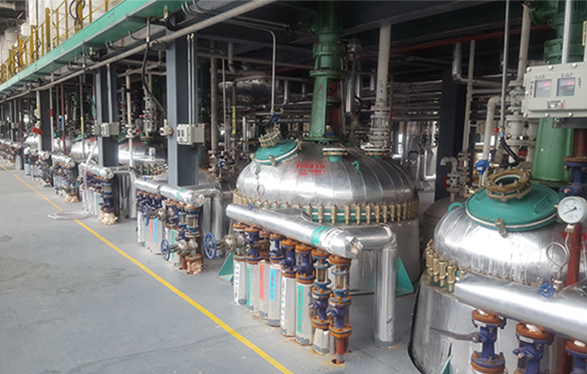
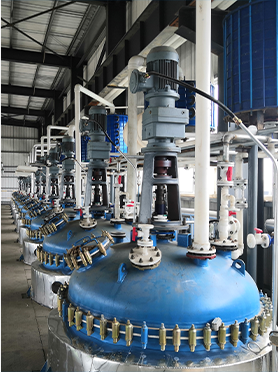
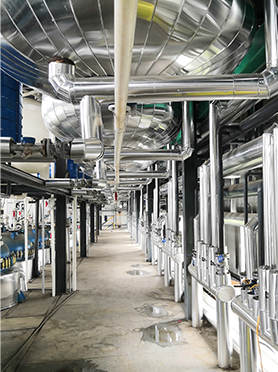
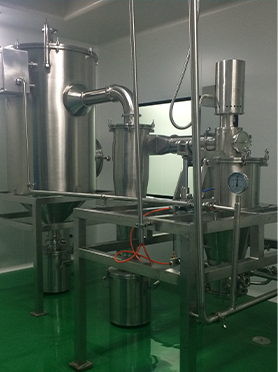
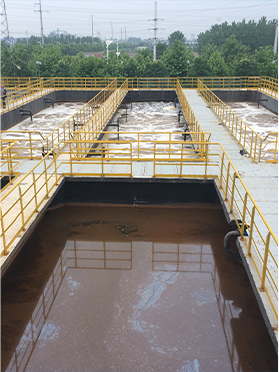
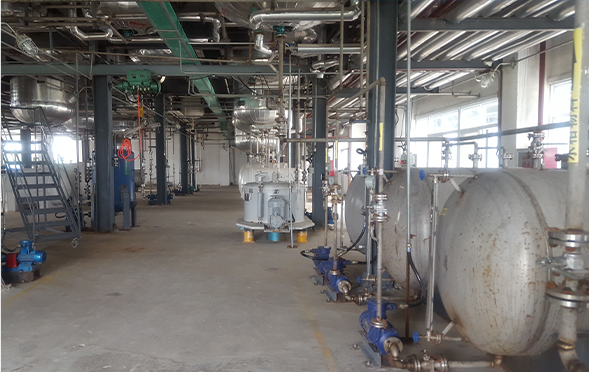
Manufacturing Facilities
Professional Export Experience
to Global Customers
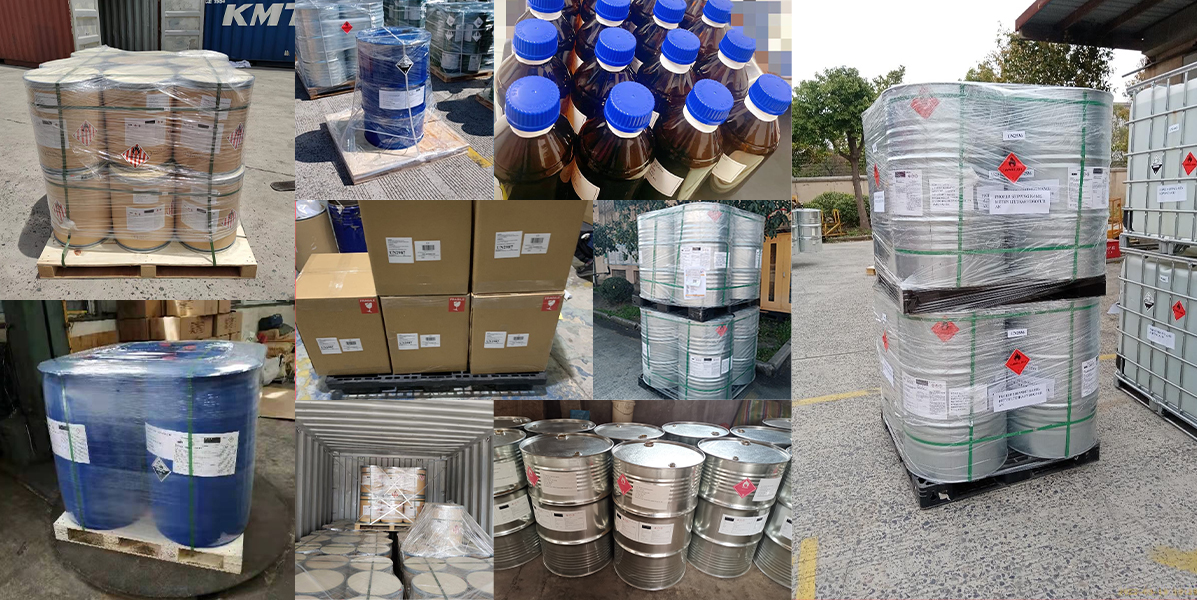
1. 20 years of R&D, manufacturing and sales experience, serving customers in 60 countries and regions around the world;
2. Own R&D laboratory, pilot platform and large-scale production workshop, which can meet the audit requirements of global customers;
3. We can satisfy customers' perfect transition from small scale lab requirements (gram level) to commercialization requirements (hundred tons level).
A: We don't have Minimum Order Quantity, exact quantity should be provided before quotation for us to calculate the exact cost.
A: We don't provide free samples due to lots of request and expensive international courier's cost, we can deduct the sample charge after commercial order placed.
A: Our payment terms: Small or sample order: T/T IN ADVANCE. Commercial order: First order should be by T/T IN ADVANCE or L/C at sight, and following orders T/T 30~90days is acceptable subject to approval of credit application.