
Custom Manufacturing, Project Outsourcing, your Trusted Partner from China
The selection of the appropriate blowing agent is a critical decision for manufacturers of foamed plastics, impacting product performance, cost, and processing efficiency. Azodicarbonamide (ADA) has long been a workhorse in this field due to its potent foaming capabilities and cost-effectiveness. However, as industries evolve and regulatory landscapes shift, understanding ADA's advantages and disadvantages relative to alternative blowing agents is essential for making informed procurement choices.
Azodicarbonamide's primary strength lies in its high gas yield and the fine, uniform cell structure it can create. This makes it exceptionally well-suited for applications demanding excellent cushioning, insulation, and elasticity, such as in yoga mats, shoe soles, and automotive interiors. For manufacturers looking to buy Azodicarbonamide, its widespread availability and generally competitive pricing from suppliers in China are significant draws. Its decomposition characteristics also allow for precise control in many high-temperature polymer processing applications.
However, concerns have been raised regarding the decomposition products of ADA and its potential for respiratory sensitization in industrial settings. This has led some manufacturers to explore alternatives, particularly for food-contact applications or where stricter environmental or health regulations are in place. Alternatives to Azodicarbonamide include endothermic blowing agents (which absorb heat during decomposition) and other organic chemical blowing agents like OBSH (oxybisbenzenesulfonyl hydrazide) or TSCA (Toluene Sulfonyl Azide, though less common due to stability issues).
Endothermic blowing agents, such as sodium bicarbonate-based compounds or citric acid derivatives, decompose at lower temperatures and release a mixture of gases, including CO2 and N2. They are often considered safer and produce less odor. However, they typically have a lower gas yield than ADA, which might require higher loading levels to achieve similar foaming degrees, potentially impacting cost. They also tend to create a coarser cell structure compared to ADA.
Other organic blowing agents, like OBSH, offer a higher decomposition temperature range and are often used in applications requiring higher processing temperatures, such as certain engineering plastics or high-performance elastomers. They can provide fine cell structures but are generally more expensive than Azodicarbonamide.
When choosing a blowing agent, manufacturers must weigh several factors: the target polymer and its processing temperature, the desired foam cell structure and density, required physical properties (elasticity, insulation), regulatory compliance, safety considerations, and overall cost-effectiveness. For many standard applications where cost and performance are key, Azodicarbonamide remains a compelling option. However, for specialized needs or in response to health or environmental concerns, exploring alternatives is prudent.
For procurement specialists, identifying a reliable supplier for any blowing agent is crucial. Whether you are buying Azodicarbonamide or considering an alternative, engaging with experienced chemical manufacturers and distributors ensures you receive quality products with consistent specifications and reliable technical support. Don't hesitate to request quotes and samples to conduct thorough evaluations for your specific application.
Manufacturing Facilities
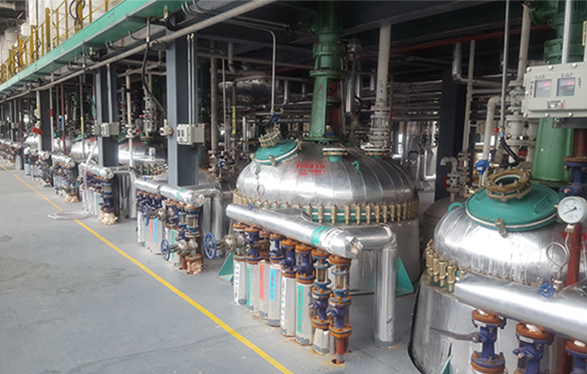
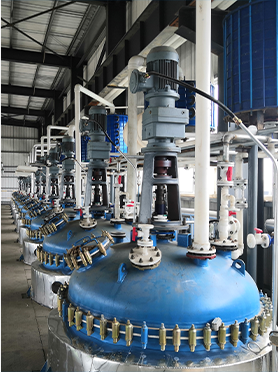
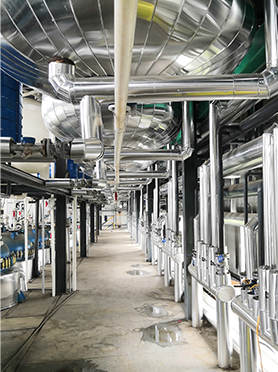
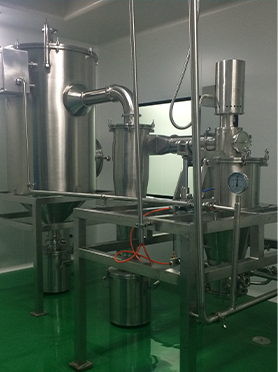
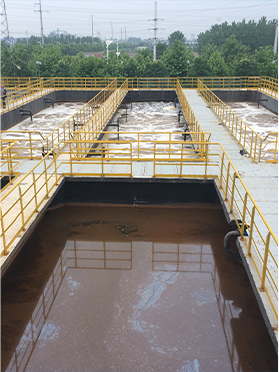
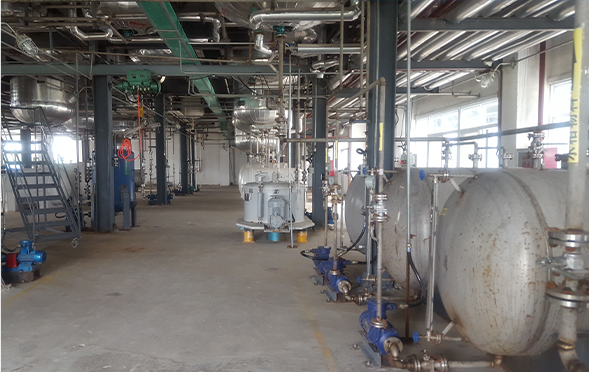
Professional Export Experience
to Global Customers
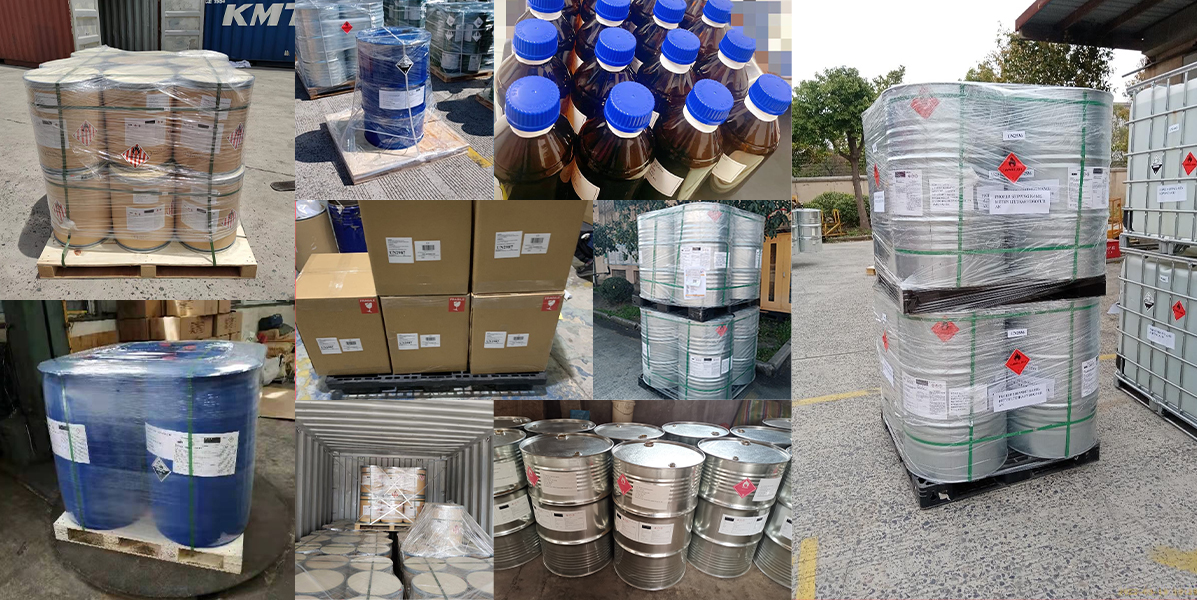
1. 20 years of R&D, manufacturing and sales experience, serving customers in 60 countries and regions around the world;
2. Own R&D laboratory, pilot platform and large-scale production workshop, which can meet the audit requirements of global customers;
3. We can satisfy customers' perfect transition from small scale lab requirements (gram level) to commercialization requirements (hundred tons level).
A: We don't have Minimum Order Quantity, exact quantity should be provided before quotation for us to calculate the exact cost.
A: We don't provide free samples due to lots of request and expensive international courier's cost, we can deduct the sample charge after commercial order placed.
A: Our payment terms: Small or sample order: T/T IN ADVANCE. Commercial order: First order should be by T/T IN ADVANCE or L/C at sight, and following orders T/T 30~90days is acceptable subject to approval of credit application.