
Custom Manufacturing, Project Outsourcing, your Trusted Partner from China
For food manufacturers, achieving the perfect texture and stability in products like mayonnaise, salad dressings, and ice cream hinges on the effective use of emulsifiers. These critical ingredients are the unsung heroes that allow oil and water, two immiscible liquids, to blend harmoniously, preventing separation and ensuring a desirable sensory experience. As a leading supplier and manufacturer, understanding the nuances of emulsifier selection is paramount to product success. This guide delves into the science behind emulsifiers and provides insights for making informed purchasing decisions.
At its core, an emulsifier is a molecule with a dual personality: one part is hydrophilic (water-loving), and the other is lipophilic (oil-loving). This amphiphilic nature allows emulsifiers to position themselves at the interface between oil and water droplets. They form a protective barrier around these droplets, effectively reducing the interfacial tension and preventing them from coalescing. This process is what creates and maintains stable emulsions.
The two primary types of emulsions encountered in food manufacturing are Oil-in-Water (O/W) and Water-in-Oil (W/O). In O/W emulsions, oil droplets are dispersed within a continuous water phase, as seen in mayonnaise, milk, and many salad dressings. Conversely, W/O emulsions have water droplets dispersed in a continuous oil phase, characteristic of butter and margarine.
The choice of emulsifier depends heavily on the desired emulsion type and other factors such as pH, temperature, and the presence of other ingredients. For O/W emulsions, emulsifiers with a higher Hydrophilic-Lipophilic Balance (HLB) value are typically preferred. These might include ingredients like lecithin or certain proteins. For W/O emulsions, emulsifiers with a lower HLB value, such as glycerol esters or sorbitan fatty acid esters, are generally more suitable. As a manufacturer, we offer a diverse portfolio to cater to these specific needs. When you are ready to buy, consider consulting with our technical team to ensure you select the most effective emulsifier for your application. We provide competitive pricing for bulk orders, making us your go-to supplier in China for all your emulsifier requirements.
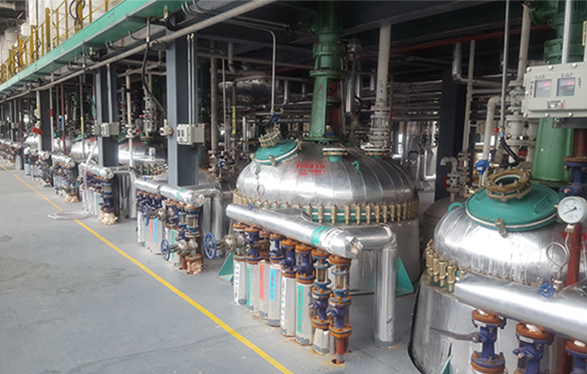
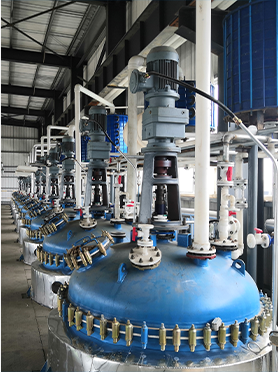
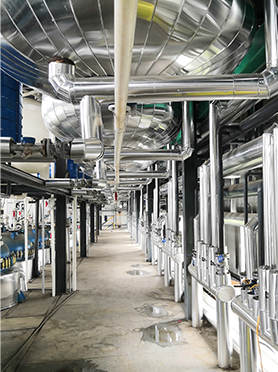
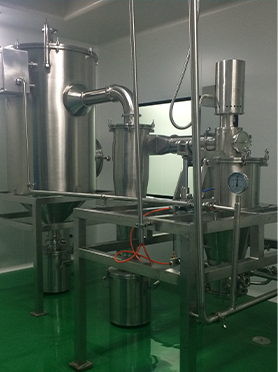
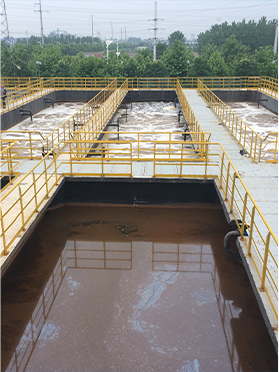
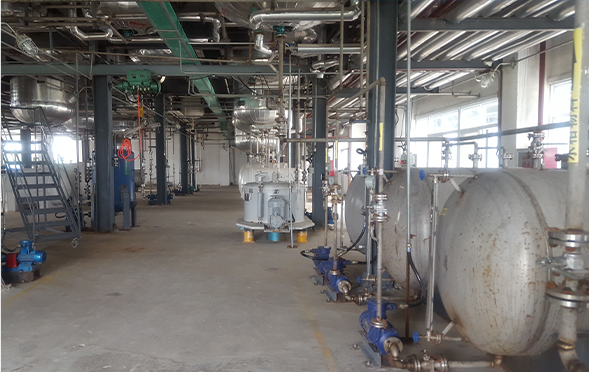
Manufacturing Facilities
Professional Export Experience
to Global Customers
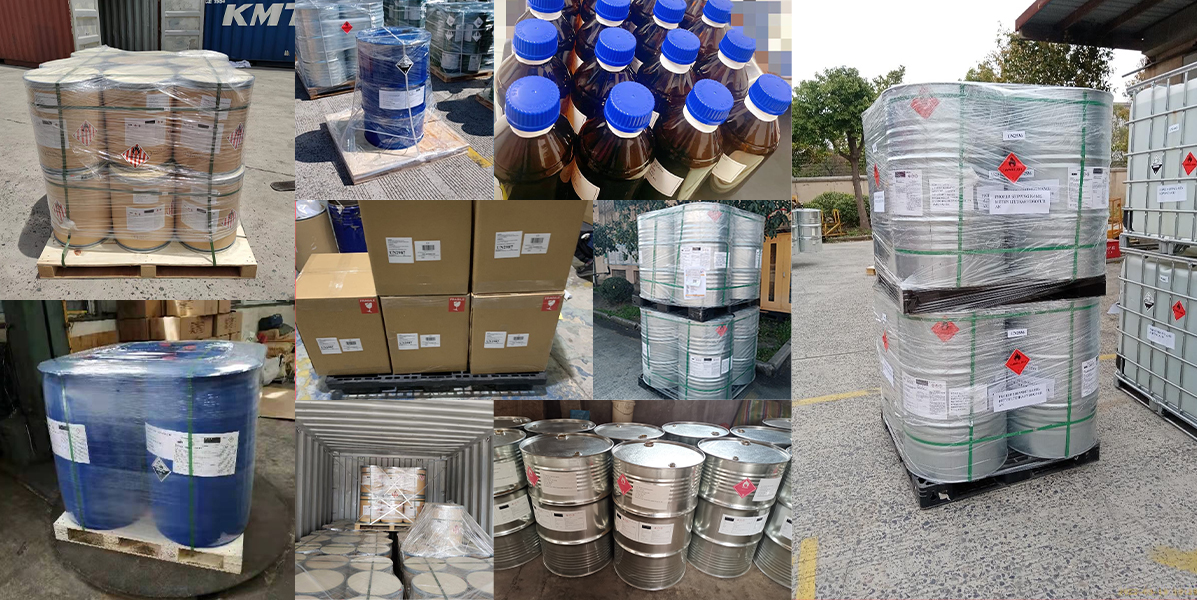
1. 20 years of R&D, manufacturing and sales experience, serving customers in 60 countries and regions around the world;
2. Own R&D laboratory, pilot platform and large-scale production workshop, which can meet the audit requirements of global customers;
3. We can satisfy customers' perfect transition from small scale lab requirements (gram level) to commercialization requirements (hundred tons level).
A: We don't have Minimum Order Quantity, exact quantity should be provided before quotation for us to calculate the exact cost.
A: We don't provide free samples due to lots of request and expensive international courier's cost, we can deduct the sample charge after commercial order placed.
A: Our payment terms: Small or sample order: T/T IN ADVANCE. Commercial order: First order should be by T/T IN ADVANCE or L/C at sight, and following orders T/T 30~90days is acceptable subject to approval of credit application.