
Custom Manufacturing, Project Outsourcing, your Trusted Partner from China
Hydroxypropyl Methylcellulose (HPMC) is a highly versatile polymer with a broad spectrum of applications across numerous industries. However, the effectiveness of HPMC in any given application is heavily dependent on selecting the correct grade. With varying viscosities, substitution levels, and particle sizes available, manufacturers often face a challenge in identifying the optimal HPMC for their needs. This guide aims to demystify the selection process and highlight how a trusted HPMC manufacturer can be an invaluable partner.
The fundamental properties of HPMC that dictate its performance are its viscosity, degree of substitution (DS) of methoxy and hydroxypropyl groups, and particle size. Viscosity, typically measured in mPa.s (millipascal-seconds) for a standard 2% aqueous solution, is a primary indicator of thickening power. Higher viscosity grades are used when significant thickening is required, such as in gels or some construction mortars. Lower viscosity grades are preferred for applications where minimal thickening is needed, or when a smoother, less viscous texture is desired, like in certain cosmetic formulations or as a binder in pharmaceuticals.
The degree of substitution (DS) refers to the extent to which hydroxyl groups on the cellulose backbone have been replaced by methoxy and hydroxypropyl groups. This substitution pattern significantly influences HPMC's solubility, thermal gelation temperature, and compatibility with different solvents. For instance, HPMC grades with a higher hydroxypropyl content tend to exhibit better solubility in organic solvents, making them suitable for applications in coatings or industrial cleaning solutions. Conversely, pharmaceutical applications often require grades with specific solubility profiles and minimal impurities. When you buy HPMC, understanding these DS parameters is crucial for matching the product to its intended use.
Particle size is another consideration, particularly for dry mix formulations. Fine powders disperse more readily in water, leading to faster dissolution and reduced lump formation. Coarser granules may require longer mixing times but can sometimes be easier to handle in certain industrial settings. For pharmaceutical applications, particle size uniformity is critical for consistent tablet compression and dissolution rates. As a leading HPMC supplier, we offer a range of particle sizes to meet diverse manufacturing needs.
When selecting an HPMC grade, manufacturers should consider the following:
Navigating these choices can be complex. Partnering with an experienced HPMC manufacturer or HPMC supplier is invaluable. They can provide expert guidance based on your specific application, recommend the most suitable grades, and offer technical support. Leveraging the expertise of a China-based manufacturer can also provide cost efficiencies, especially for bulk purchases. By carefully considering the grade's properties and collaborating with your supplier, you can unlock the full potential of HPMC in your products.
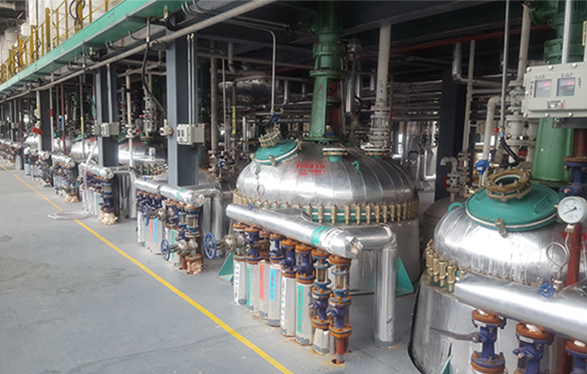
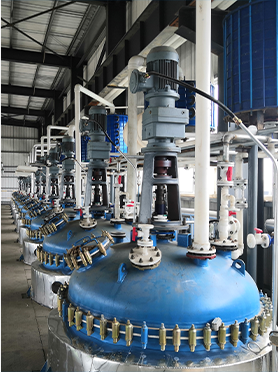
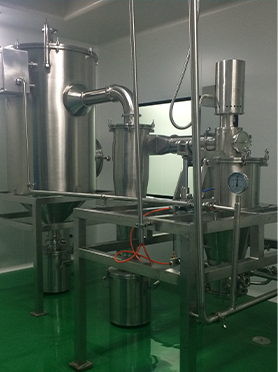
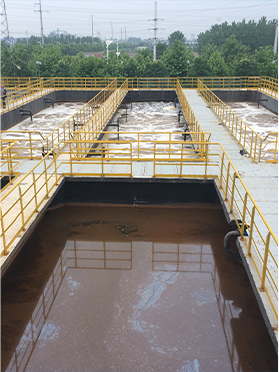
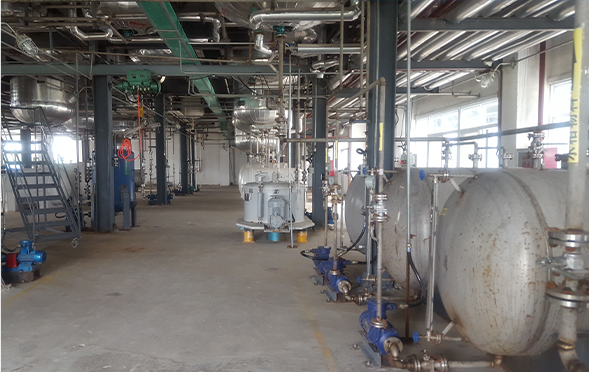
Manufacturing Facilities

Professional Export Experience
to Global Customers
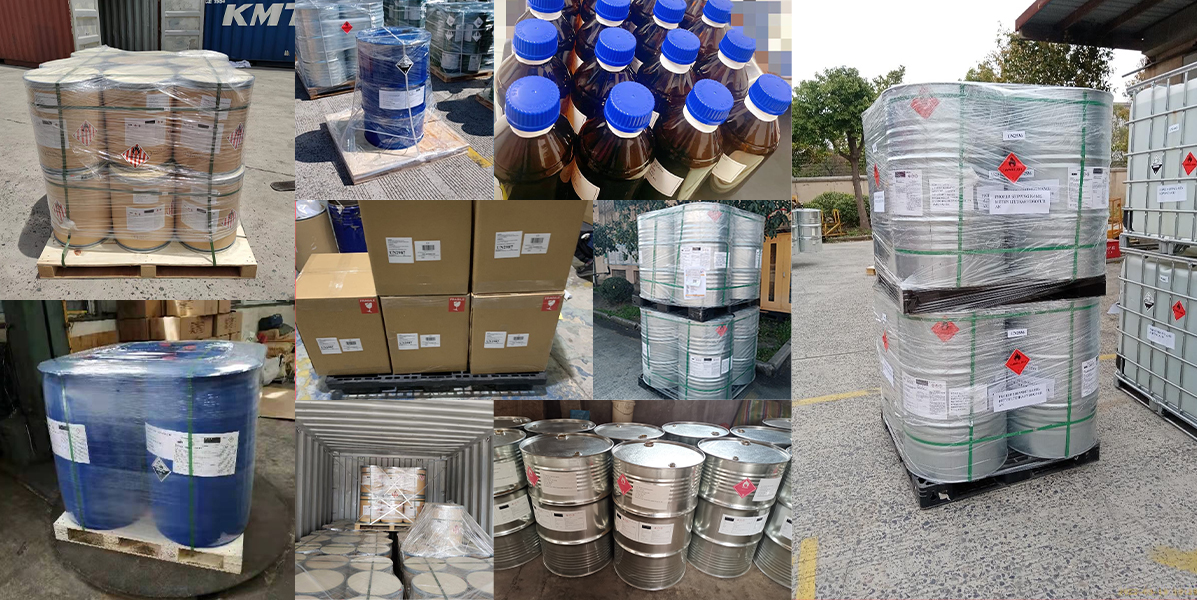
1. 20 years of R&D, manufacturing and sales experience, serving customers in 60 countries and regions around the world;
2. Own R&D laboratory, pilot platform and large-scale production workshop, which can meet the audit requirements of global customers;
3. We can satisfy customers' perfect transition from small scale lab requirements (gram level) to commercialization requirements (hundred tons level).
A: We don't have Minimum Order Quantity, exact quantity should be provided before quotation for us to calculate the exact cost.
A: We don't provide free samples due to lots of request and expensive international courier's cost, we can deduct the sample charge after commercial order placed.
A: Our payment terms: Small or sample order: T/T IN ADVANCE. Commercial order: First order should be by T/T IN ADVANCE or L/C at sight, and following orders T/T 30~90days is acceptable subject to approval of credit application.