20 YEARS OF PROFESSIONAL & DEDICATED SERVICE TO GLOBAL CUSTOMERS

Custom Manufacturing, Project Outsourcing, your Trusted Partner from China

Choosing the Right Polyacrylamide: Anionic vs. Cationic for Your Needs

Polyacrylamide (PAM) is a cornerstone in many industrial processes, primarily due to its versatility as a flocculant, thickener, and rheology modifier. However, not all PAM is created equal. The performance of PAM is highly dependent on its ionic charge, leading to distinct categories like anionic and cationic Polyacrylamide. As a dedicated supplier of industrial chemicals, understanding these differences is crucial for our clients to achieve optimal results. This article guides you through selecting the right PAM for your specific application.

Understanding PAM's Ionic Nature

The ionic character of PAM refers to the presence of charged groups along its polymer chain. These charges dictate how the PAM molecule interacts with other charged species in a solution, such as suspended particles in water or minerals in a slurry. The primary types of PAM are:

  • Anionic Polyacrylamide (APAM): Contains negatively charged groups (e.g., carboxylate groups, derived from hydrolyzed acrylamide or copolymerization with acrylic acid). APAM is most effective in neutralizing positively charged particles and bridging negatively charged colloids.
  • Cationic Polyacrylamide (CPAM): Contains positively charged groups (e.g., amine or quaternary ammonium groups). CPAM excels at interacting with and flocculating negatively charged particles, making it highly effective in applications where such particles are prevalent.
  • Non-ionic Polyacrylamide (NPAM): Lacks significant ionic charges. It primarily functions through physical bridging mechanisms.

Key Applications and Selection Criteria

The choice between anionic and cationic PAM largely depends on the nature of the contaminants or substrates you are treating:

Water Treatment:

  • Anionic PAM: Widely used as a flocculant in municipal and industrial wastewater treatment. It's particularly effective in treating water with high concentrations of suspended solids that carry a negative charge, often in neutral to alkaline pH conditions. It helps in clarifying water and dewatering sludge.
  • Cationic PAM: Often preferred for sludge dewatering in wastewater treatment plants and in the treatment of biological wastewater, where negatively charged organic matter and microorganisms are present. Its strong affinity for negatively charged solids leads to more efficient water release from sludge.

Mining and Mineral Processing:

  • Anionic PAM: Commonly used as a flocculant in thickening and clarification processes for minerals that have a negative surface charge, such as coal fines, silica, and certain metal oxides.
  • Cationic PAM: May be used in specific mineral processing applications where the target minerals or impurities have a negative charge and require flocculation by a cationic polymer.

Other Industrial Applications:

  • Papermaking: Both anionic and cationic PAM are used as retention aids and drainage aids, depending on the specific pulp composition and desired paper properties. Anionic PAM often aids in retaining fine fibers and fillers, while cationic PAM can improve drainage and retention of anionic trash.
  • Enhanced Oil Recovery (EOR): High molecular weight anionic PAM is generally preferred for its viscosity-enhancing properties, improving the sweep efficiency of injected water.

Procurement from a Reliable Supplier

When you're ready to buy Polyacrylamide, selecting the right type is just the first step. Partnering with a reputable chemical supplier like us ensures you receive high-quality products with consistent properties. We offer a range of Anionic and Cationic PAM grades, backed by technical expertise to help you determine the most effective solution for your specific industrial needs. Whether for water treatment, mining, or papermaking, our commitment is to provide the right PAM to optimize your processes and achieve superior results.

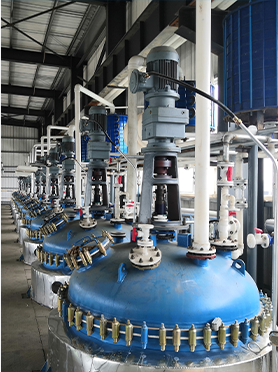
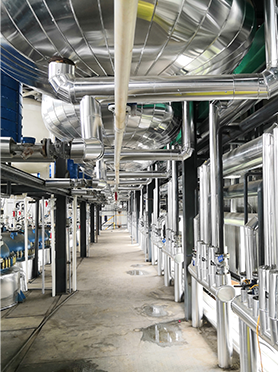
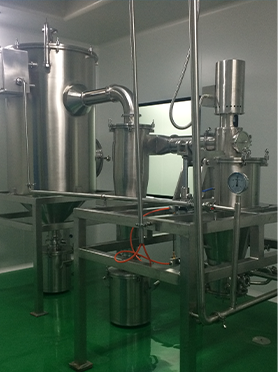
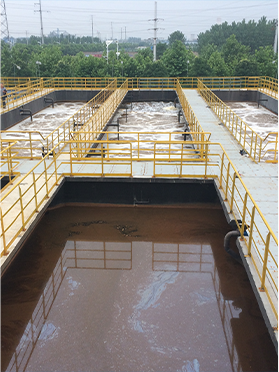
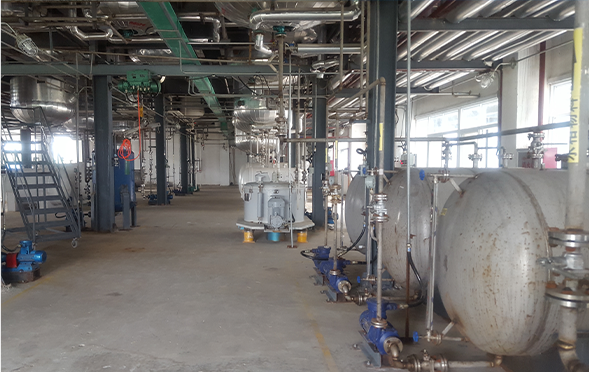
Manufacturing Facilities
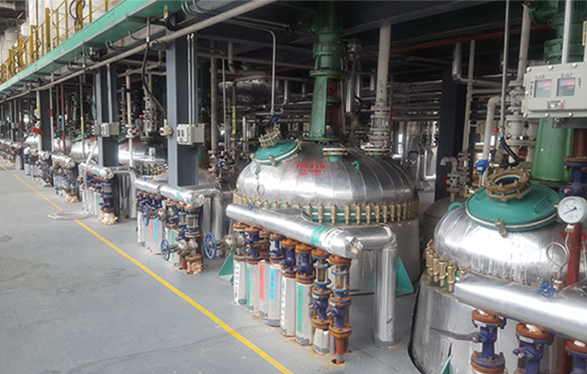
NINGBO INNO PHARMCHEM CO.,LTD. was established in 2007. It is committed to the R&D, production and sales of raw materials, pharmaceutical intermediates and fine chemicals. We striving to create a high-efficiency and high-quality integrated chemical service platform to better serve domestic and foreign customers.

Professional Export Experience

to Global Customers
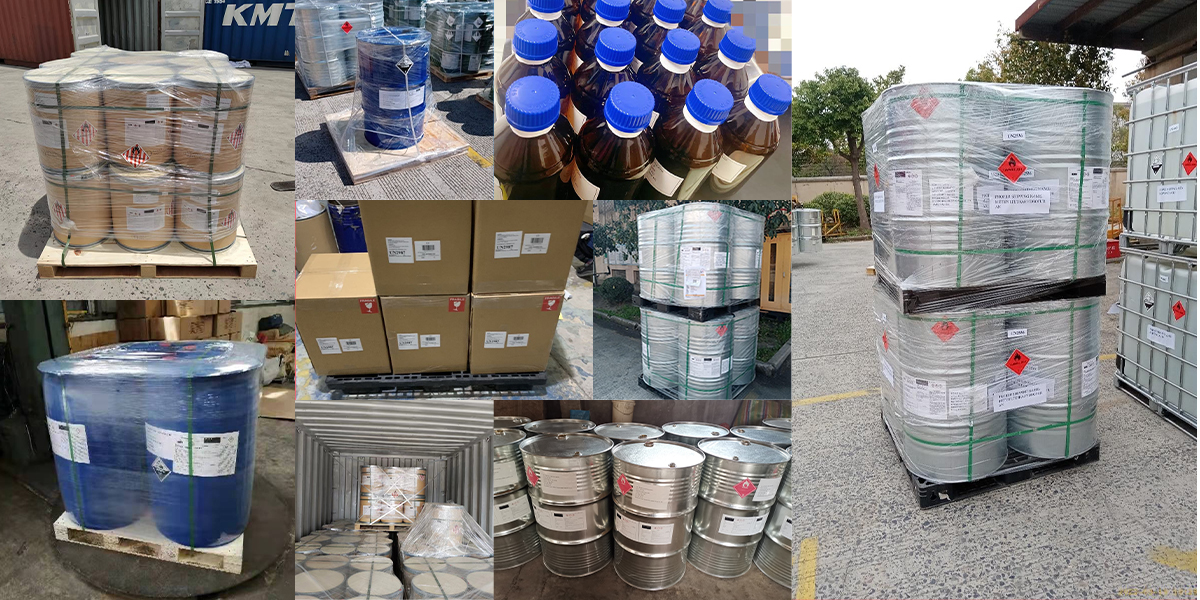
WHY CHOSE US?

1. 20 years of R&D, manufacturing and sales experience, serving customers in 60 countries and regions around the world;

2. Own R&D laboratory, pilot platform and large-scale production workshop, which can meet the audit requirements of global customers;

3. We can satisfy customers' perfect transition from small scale lab requirements (gram level) to commercialization requirements (hundred tons level).

FAQ

  • A: We don't have Minimum Order Quantity, exact quantity should be provided before quotation for us to calculate the exact cost.

  • A: We don't provide free samples due to lots of request and expensive international courier's cost, we can deduct the sample charge after commercial order placed.

  • A: Our payment terms: Small or sample order: T/T IN ADVANCE. Commercial order: First order should be by T/T IN ADVANCE or L/C at sight, and following orders T/T 30~90days is acceptable subject to approval of credit application.


CONTACT US
Should you need to contact us; you may call during regular business hours, Monday through Friday, 8am – 6 pm.
NINGBO INNO PHARMCHEM CO.,LTD.
Address: No.163 Ruiqing Rd.,Ningbo 315000 China
Phone: 86-574-87319282
Fax: 86-574-27912196
SEND US AN EMAIL

NAME*

EMAIL*

COMPANY

COUNTRY*

MESSAGE*

Previous: The Science Behind Polyacrylamide: Properties and Applications

Next: The Crucial Role of 4-(1,3-Dioxolan-2-yl)aniline in OLED Technology

All Rights Reserved