Custom Manufacturing, Project Outsourcing, your Trusted Partner from China
The textile industry relies heavily on finishing agents to impart desirable properties to fabrics, and softeners are among the most crucial. Two prevalent types of softeners available today are nonionic and cationic softener flakes. While both aim to enhance fabric feel, their chemical nature and application suitability differ significantly. As a prominent manufacturer and supplier of textile auxiliaries, understanding these differences is key to selecting the optimal product for your specific needs. This guide will help you navigate the choices and buy with confidence.
Understanding Nonionic Softener Flakes
Nonionic softener flakes are characterized by their electrically neutral surfactant molecules. This neutrality means they do not carry a positive or negative charge, which offers several advantages. One of the most significant is their excellent compatibility. They can be used alongside anionic or cationic softeners and other finishing agents without adverse reactions. This versatility makes them ideal for complex finishing processes.
Key benefits of nonionic softeners include:
These characteristics make nonionic softener flakes particularly suitable for high-performance textiles, activewear, and any application where color fastness and moisture management are critical. As a supplier in China, we offer high-purity nonionic softener flakes designed for these demanding applications.
Understanding Cationic Softener Flakes
Cationic softener flakes, on the other hand, possess positively charged molecules. These positive charges are attracted to the negatively charged surfaces of most textile fibers, leading to strong adsorption. This strong adsorption results in a durable softening effect and can also impart antistatic properties.
Key benefits of cationic softeners include:
However, cationic softeners have limitations. Their strong positive charge can sometimes interfere with anionic dyes, potentially affecting color shade. They can also reduce the absorbency of fabrics, which might be undesirable for towels or sportswear. Furthermore, while some modern cationic softeners are low-yellowing, this can still be a concern for certain applications. When sourcing, it's important to discuss these potential drawbacks with your chosen manufacturer.
Which is Right for Your Application?
The choice between nonionic and cationic softener flakes largely depends on the intended application and desired fabric properties:
As a comprehensive textile auxiliary manufacturer, we provide both nonionic and cationic softener flakes, each tailored to meet specific industry demands. Whether you are looking to buy nonionic softener flakes for their versatility or cationic softener flakes for durable softening, our extensive product range and technical expertise ensure you find the perfect solution. Contact us today to discuss your specific needs and explore our offerings from China, your reliable source for quality textile finishing agents.
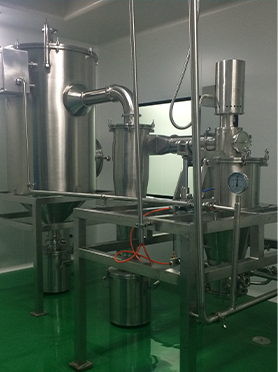
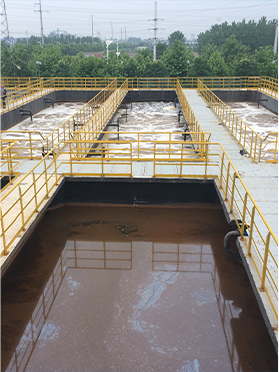
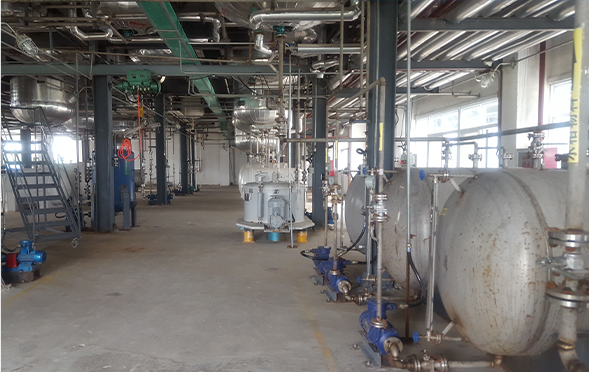
Manufacturing Facilities
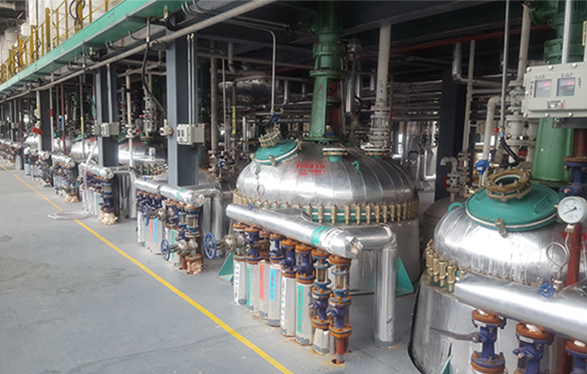
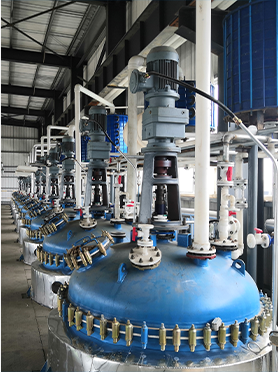
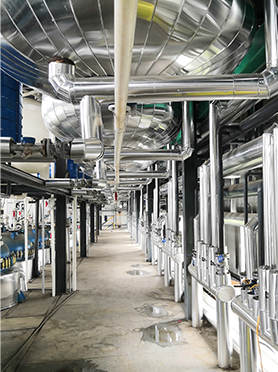
Professional Export Experience
to Global Customers
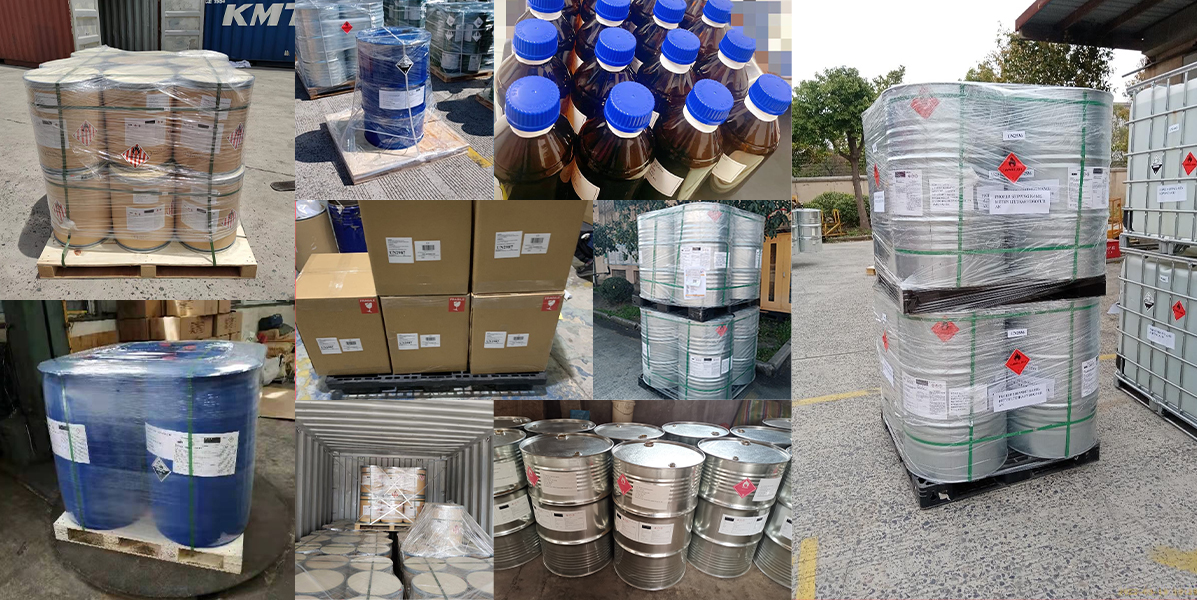
1. 20 years of R&D, manufacturing and sales experience, serving customers in 60 countries and regions around the world;
2. Own R&D laboratory, pilot platform and large-scale production workshop, which can meet the audit requirements of global customers;
3. We can satisfy customers' perfect transition from small scale lab requirements (gram level) to commercialization requirements (hundred tons level).
A: We don't have Minimum Order Quantity, exact quantity should be provided before quotation for us to calculate the exact cost.
A: We don't provide free samples due to lots of request and expensive international courier's cost, we can deduct the sample charge after commercial order placed.
A: Our payment terms: Small or sample order: T/T IN ADVANCE. Commercial order: First order should be by T/T IN ADVANCE or L/C at sight, and following orders T/T 30~90days is acceptable subject to approval of credit application.