
Custom Manufacturing, Project Outsourcing, your Trusted Partner from China
When sourcing Toluene Diisocyanate (TDI) for polyurethane manufacturing, understanding the different grades available is crucial for achieving the desired product performance. The two most common grades encountered are the 80/20 and 65/35 mixtures of 2,4-TDI and 2,6-TDI, respectively. Each grade offers distinct properties that lend themselves to different applications.
The 80/20 grade, comprising 80% 2,4-TDI and 20% 2,6-TDI, is the most widely used TDI mixture globally. This blend is favored for its excellent balance of reactivity and flexibility, making it highly versatile for producing a broad spectrum of flexible polyurethane foams. If your application involves creating comfortable cushioning for furniture, mattresses, or automotive interiors, the 80/20 grade is typically the preferred choice due to its ability to yield foams with optimal elasticity and resilience. As a leading supplier, we ensure a consistent supply of high-quality 80/20 TDI to meet the demands of these high-volume markets.
The 65/35 grade, containing 65% 2,4-TDI and 35% 2,6-TDI, offers a slightly different reactivity profile. The higher proportion of the 2,6-TDI isomer can contribute to increased hardness and rigidity in the resulting polyurethane products. This grade is often selected for applications requiring enhanced durability, better chemical resistance, or more structural integrity, such as in certain coatings, adhesives, elastomers, or specific types of rigid foams. Manufacturers looking to buy TDI for these more demanding applications may find the 65/35 grade to be a more suitable option.
Selecting the right grade of TDI is a critical decision that impacts your final product's characteristics and market competitiveness. We recommend consulting with your R&D team and potentially requesting technical support from your TDI supplier to determine the optimal grade for your specific formulation. As a trusted manufacturer and supplier, we offer both grades, ensuring you have access to the precise TDI product needed to achieve your manufacturing objectives. Reach out to us for a quote and expert advice on choosing the best TDI grade for your needs.
Manufacturing Facilities
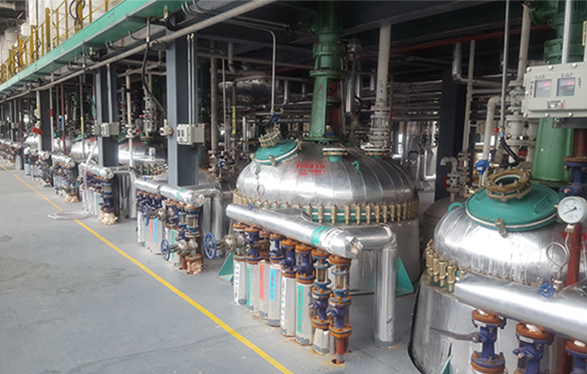
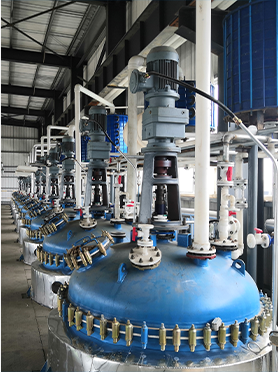
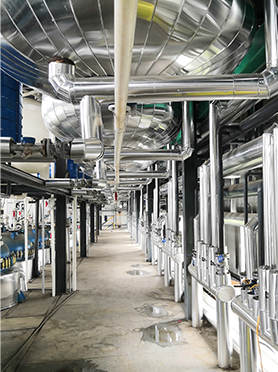
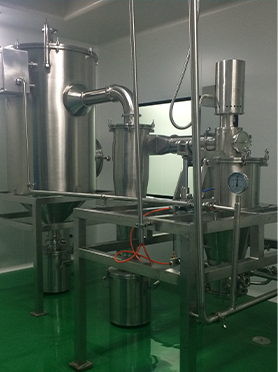
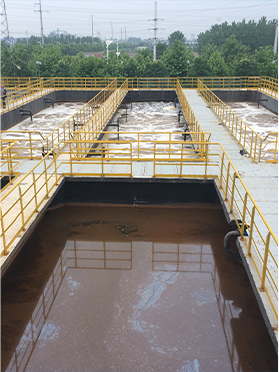
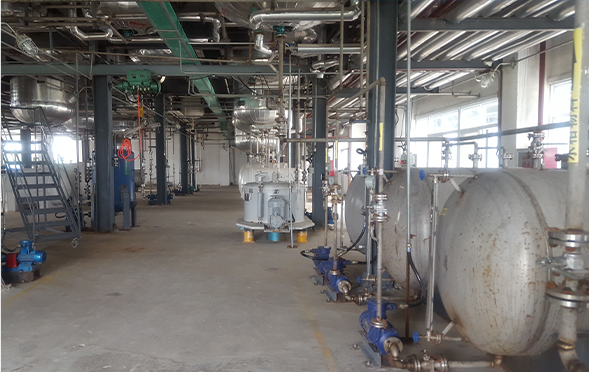
Professional Export Experience
to Global Customers
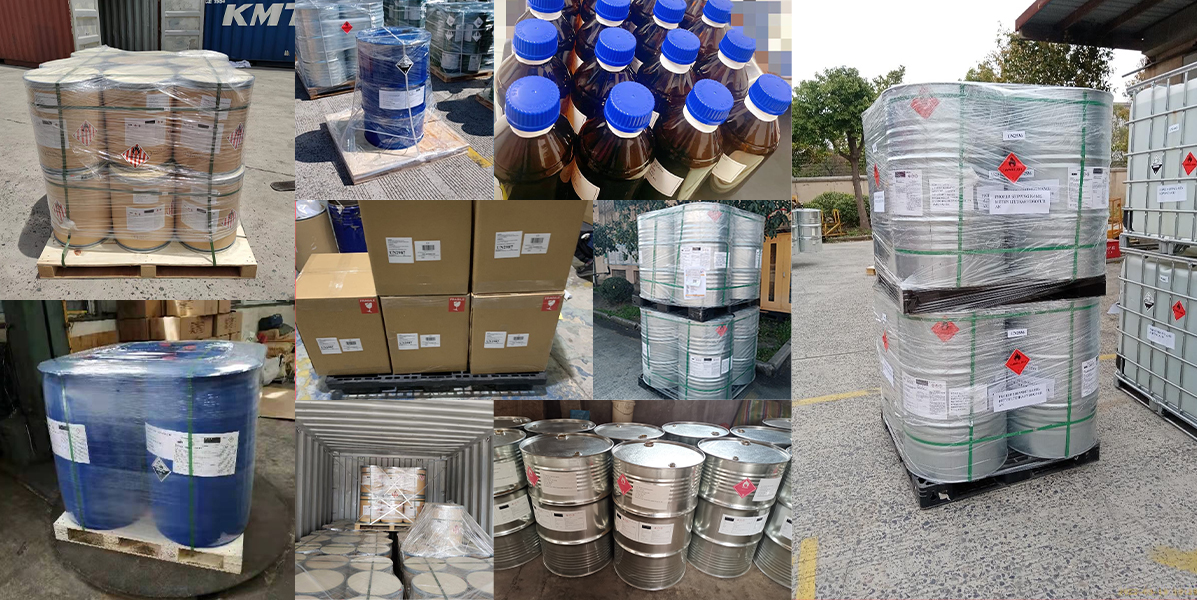
1. 20 years of R&D, manufacturing and sales experience, serving customers in 60 countries and regions around the world;
2. Own R&D laboratory, pilot platform and large-scale production workshop, which can meet the audit requirements of global customers;
3. We can satisfy customers' perfect transition from small scale lab requirements (gram level) to commercialization requirements (hundred tons level).
A: We don't have Minimum Order Quantity, exact quantity should be provided before quotation for us to calculate the exact cost.
A: We don't provide free samples due to lots of request and expensive international courier's cost, we can deduct the sample charge after commercial order placed.
A: Our payment terms: Small or sample order: T/T IN ADVANCE. Commercial order: First order should be by T/T IN ADVANCE or L/C at sight, and following orders T/T 30~90days is acceptable subject to approval of credit application.