
Custom Manufacturing, Project Outsourcing, your Trusted Partner from China
In the competitive landscape of textile manufacturing, endowing fabrics with superior water and oil repellency is a key differentiator. As a discerning buyer, understanding the nuances of available textile auxiliaries is paramount. This guide aims to demystify the selection process for high-performance water repellents, focusing on aspects critical for procurement managers and R&D scientists. We will delve into the performance characteristics, environmental compliance, and sourcing considerations essential for making an informed purchase decision.
The core function of a textile water repellent is to create a hydrophobic surface on fabrics, causing liquids to bead up and roll off rather than being absorbed. This not only enhances comfort by keeping the wearer dry but also protects the fabric from staining and premature wear. When evaluating products, key technical indices to scrutinize include solid content, pH value, specific gravity, and ionic characteristics. For instance, a product with a solid content of 29-31% and a pH between 2.0-5.0 often indicates a stable and effective emulsion suitable for a broad range of textile applications.
A significant trend in the textile chemicals market is the shift towards environmentally conscious formulations. Modern water repellents are increasingly based on shorter-chain fluorocarbons, such as C6 chemistry, which offer excellent performance without the environmental persistence and bioaccumulation concerns associated with older C8 technologies. For buyers prioritizing sustainability, C6 products are ideal as they are typically free from substances like PFOS, PFOA, and APEO. This commitment to eco-friendliness is not just about regulatory compliance; it aligns with growing consumer demand for greener products.
When considering a supplier, particularly one based in China, factors such as production capacity, R&D capabilities, and quality certifications (like OEKO-TEX) are crucial. A reliable manufacturer will not only offer competitive wholesale pricing but also consistent product quality and technical support. For example, understanding the application method, typically involving a one-soaking, one-rolling, and drying/shaping process, allows R&D teams to integrate the water repellent seamlessly into existing production lines. Adjusting dosage (commonly 10-40g/L) based on fabric type and desired performance is a standard practice.
For procurement managers looking to secure a stable supply chain, partnering with an established manufacturer offering high repeat buyer rates and import/export rights is advantageous. The ability to customize formulations based on specific performance targets—such as enhanced anti-static properties or improved flame retardancy—can further enhance the value proposition. By prioritizing these technical and commercial aspects, buyers can confidently source effective and sustainable water repellents that meet the evolving demands of the global textile market. If you are looking to buy these specialized textile auxiliaries, exploring options from reputable China manufacturers can yield excellent results and cost efficiencies.
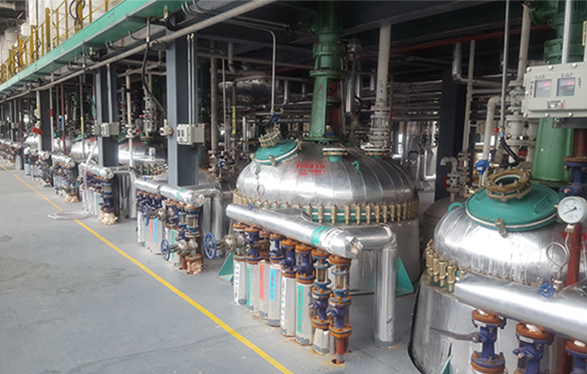
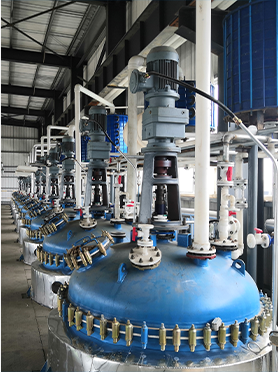
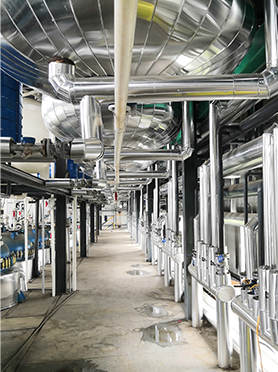
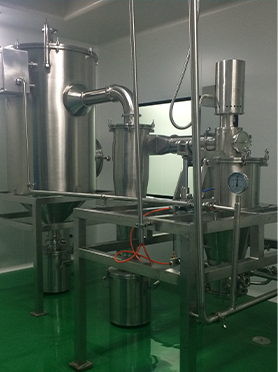
Manufacturing Facilities
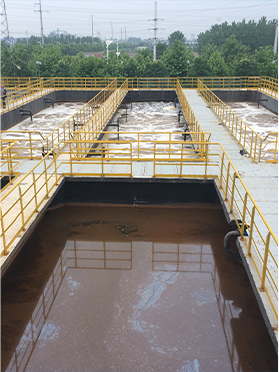
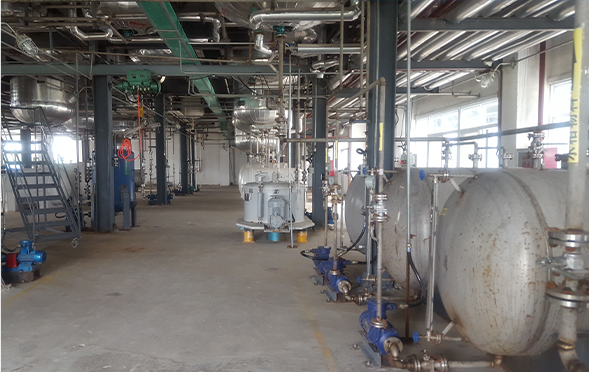
Professional Export Experience
to Global Customers
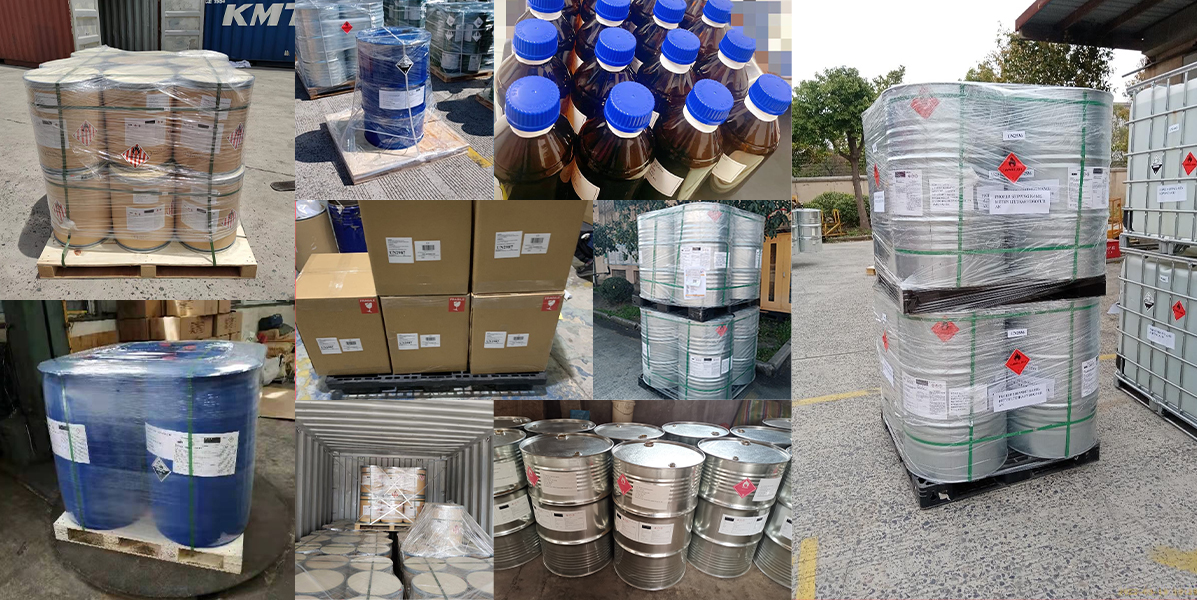
1. 20 years of R&D, manufacturing and sales experience, serving customers in 60 countries and regions around the world;
2. Own R&D laboratory, pilot platform and large-scale production workshop, which can meet the audit requirements of global customers;
3. We can satisfy customers' perfect transition from small scale lab requirements (gram level) to commercialization requirements (hundred tons level).
A: We don't have Minimum Order Quantity, exact quantity should be provided before quotation for us to calculate the exact cost.
A: We don't provide free samples due to lots of request and expensive international courier's cost, we can deduct the sample charge after commercial order placed.
A: Our payment terms: Small or sample order: T/T IN ADVANCE. Commercial order: First order should be by T/T IN ADVANCE or L/C at sight, and following orders T/T 30~90days is acceptable subject to approval of credit application.