
Custom Manufacturing, Project Outsourcing, your Trusted Partner from China
The realm of cosmetic formulation is continually advancing, with ingredients like silicone elastomer gels playing a pivotal role in creating products that offer superior feel and performance. For R&D scientists and formulation chemists, selecting the right grade of silicone elastomer gel is crucial for achieving desired product attributes. This guide provides a checklist to help you make informed decisions when looking to buy these essential ingredients, whether you're a startup or an established brand sourcing from a global manufacturer.
1. Understand the INCI Name: The first step is to identify the INCI (International Nomenclature of Cosmetic Ingredients) name. Commonly, you'll see variations of Dimethicone/Vinyl Dimethicone Crosspolymer, often combined with a carrier fluid like Cyclopentasiloxane or Dimethicone. Some may also include other silicones like Trimethylsiloxysilicate. Knowing the INCI helps you understand the basic composition and potential performance characteristics.
2. Evaluate the Carrier Fluid: Silicone elastomer gels are typically dispersed in a carrier. Common carriers include volatile silicones like Cyclopentasiloxane (D5), non-volatile dimethicones, or organic alkanes. The carrier significantly impacts the product's feel, volatility, and compatibility. For instance, D5 offers a fast-evaporating, lightweight feel, while non-volatile dimethicones provide longer-lasting effects. Consider your formulation's overall requirements when choosing a carrier.
3. Assess Key Performance Parameters:
4. Consider the Desired Sensory Profile: What specific skin feel are you aiming for? Silicone elastomer gels can provide a wide range, from dry and powdery to silky and cushiony. Some are excellent for imparting a matte finish, ideal for foundations and primers, while others enhance moisturization and a subtle glow. Define the target sensory experience early in your selection process.
5. Verify Application Suitability: Ensure the chosen silicone elastomer gel is suitable for your specific product type – whether it’s skincare, color cosmetics, or hair care. Some gels are optimized for certain functions, like improving spreadability, enhancing wrinkle masking, or providing UV protection compatibility. Reviewing product data sheets from a reliable supplier is crucial here.
6. Sourcing and Quality Assurance: When you buy from a manufacturer, ensure they provide detailed technical data sheets (TDS) and safety data sheets (SDS). Reputable suppliers, like those specializing in cosmetic ingredients from China, offer consistency, quality control, and often competitive pricing, making the procurement process smoother for purchasing departments. Partnering with a reliable supplier ensures you get the performance you expect.
By following this checklist, formulators can confidently select the most appropriate silicone elastomer gel to achieve exceptional results in their cosmetic creations. Investing time in this selection process pays dividends in the final product’s appeal and consumer satisfaction.
Manufacturing Facilities






Professional Export Experience
to Global Customers
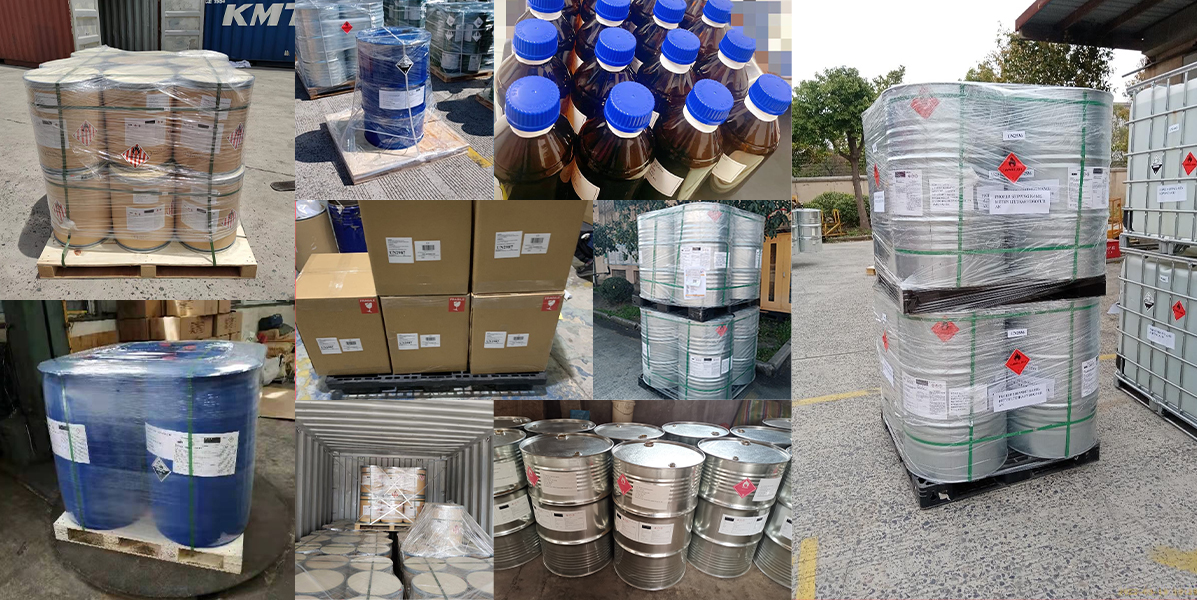
1. 20 years of R&D, manufacturing and sales experience, serving customers in 60 countries and regions around the world;
2. Own R&D laboratory, pilot platform and large-scale production workshop, which can meet the audit requirements of global customers;
3. We can satisfy customers' perfect transition from small scale lab requirements (gram level) to commercialization requirements (hundred tons level).
A: We don't have Minimum Order Quantity, exact quantity should be provided before quotation for us to calculate the exact cost.
A: We don't provide free samples due to lots of request and expensive international courier's cost, we can deduct the sample charge after commercial order placed.
A: Our payment terms: Small or sample order: T/T IN ADVANCE. Commercial order: First order should be by T/T IN ADVANCE or L/C at sight, and following orders T/T 30~90days is acceptable subject to approval of credit application.