
Custom Manufacturing, Project Outsourcing, your Trusted Partner from China
The efficiency and quality of textile printing are directly influenced by the choice of auxiliaries used in the printing paste. Among these, thickeners play a pivotal role in controlling the rheology of the paste, ensuring precise color application and sharp print definition. While natural thickeners have a long history of use, modern textile printing increasingly relies on advanced synthetic thickeners to achieve superior results and optimize production processes. This article highlights why synthetic thickeners are a preferred choice for textile printing operations and offers guidance on selecting and procuring them.
The Function of Thickeners in Textile Printing
Thickeners are essential components of textile printing pastes, responsible for imparting the correct viscosity. This viscosity is critical for:
Advantages of Synthetic Thickeners for Textile Printing
Synthetic thickeners, often high molecular weight polymers, offer several key advantages over traditional natural thickeners:
Navigating the Market: Where to Buy and What to Look For
For textile manufacturers seeking to procure these advanced auxiliaries, partnering with a reliable supplier is crucial. Key considerations include:
For instance, a synthetic thickener designed for disperse dye printing will typically be anionic, offering excellent stability and high efficiency. It can serve as a direct replacement for conventional thickeners like sodium alginate, providing significant economic and performance benefits. By carefully selecting such a product and a trusted supplier, textile printers can elevate their print quality, improve process efficiency, and achieve greater cost-effectiveness.
In conclusion, synthetic thickeners represent a significant technological advancement in textile printing auxiliaries. Their superior performance characteristics—including efficiency, stability, and print quality enhancement—make them an indispensable tool for any modern textile printing operation aiming for excellence and competitiveness.
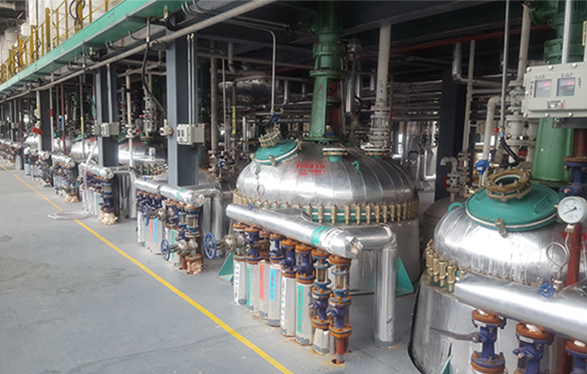
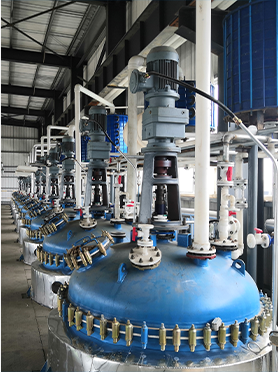
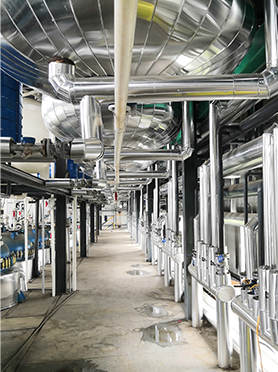
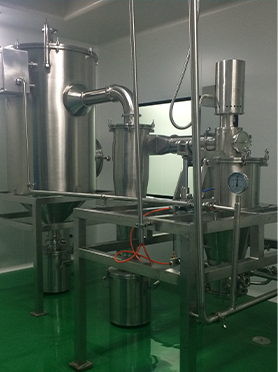
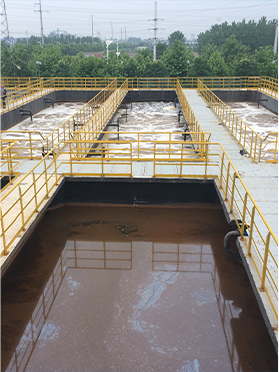
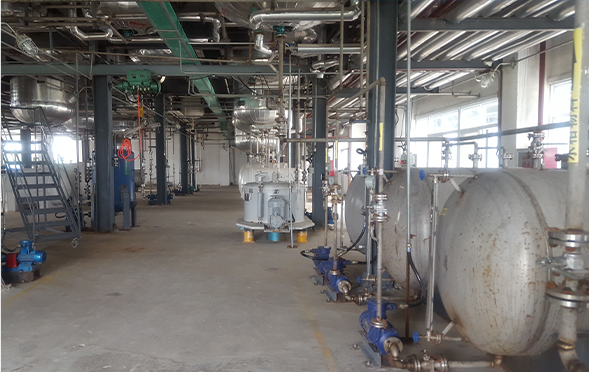
Manufacturing Facilities
Professional Export Experience
to Global Customers
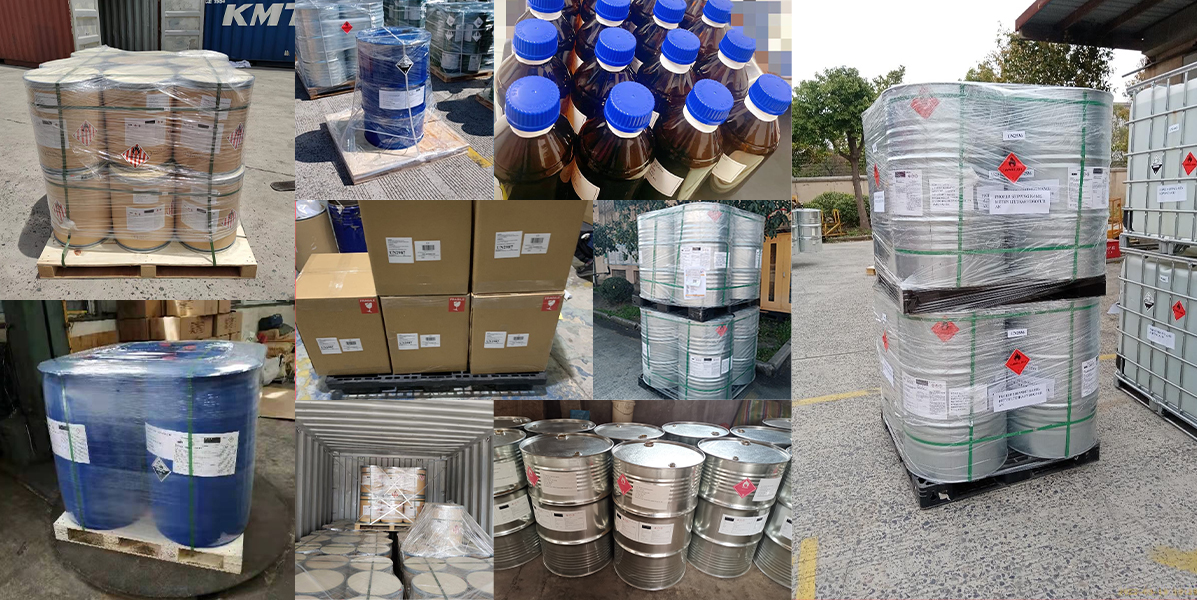
1. 20 years of R&D, manufacturing and sales experience, serving customers in 60 countries and regions around the world;
2. Own R&D laboratory, pilot platform and large-scale production workshop, which can meet the audit requirements of global customers;
3. We can satisfy customers' perfect transition from small scale lab requirements (gram level) to commercialization requirements (hundred tons level).
A: We don't have Minimum Order Quantity, exact quantity should be provided before quotation for us to calculate the exact cost.
A: We don't provide free samples due to lots of request and expensive international courier's cost, we can deduct the sample charge after commercial order placed.
A: Our payment terms: Small or sample order: T/T IN ADVANCE. Commercial order: First order should be by T/T IN ADVANCE or L/C at sight, and following orders T/T 30~90days is acceptable subject to approval of credit application.