
Custom Manufacturing, Project Outsourcing, your Trusted Partner from China
In the competitive landscape of polymer manufacturing, ensuring the longevity and performance of materials is paramount. Oxidative degradation, triggered by heat, light, and mechanical stress, can lead to embrittlement, discoloration, and a loss of critical physical properties. This is where antioxidants play a vital role. As a leading manufacturer and supplier of high-quality polymer additives, we understand the nuances of choosing the right stabilization solutions. This guide will help you navigate the selection process, focusing on key types of antioxidants and their applications.
Understanding Oxidative Degradation
Polymers are susceptible to free radical chain reactions that initiate oxidation. These reactions can be accelerated by processing conditions and environmental exposure. The goal of an antioxidant is to interrupt these chain reactions, thereby preserving the polymer's integrity.
Primary Antioxidants: The First Line of Defense
Primary antioxidants, often referred to as hindered phenols, are highly effective radical scavengers. They work by donating a hydrogen atom to the peroxy radicals, terminating the chain reaction. A prime example is Tris(4-tert-butyl-3-hydroxy-2,6-dimethylbenzyl) isocyanurate (CAS 40601-76-1), also known as Antioxidant 1790. This phenolic antioxidant offers excellent performance due to its low volatility, high thermal stability, and resistance to gas fading. It's an indispensable additive for applications demanding long-term heat aging resistance.
Secondary Antioxidants: The Synergistic Support
Secondary antioxidants, such as phosphites and thioesters, work by decomposing hydroperoxides into stable compounds, preventing them from initiating new radical chains. They are often used in conjunction with primary antioxidants to create a synergistic effect, providing comprehensive protection. When you buy Antioxidant 1790, consider pairing it with these secondary stabilizers for enhanced results.
Key Considerations When Buying Antioxidants
When sourcing antioxidants, several factors are critical for manufacturers:
Tris(4-tert-butyl-3-hydroxy-2,6-dimethylbenzyl) isocyanurate: A Premier Choice
As a leading supplier in China, we specialize in providing Tris(4-tert-butyl-3-hydroxy-2,6-dimethylbenzyl) isocyanurate to meet the demanding needs of the polymer industry. Its ability to provide exceptional processing and long-term stabilization for substrates like spandex, polyamides, and polyolefins makes it a top-tier choice. If you are looking to buy high-quality polymer additives, our product offers a reliable and effective solution.
By understanding the mechanisms of oxidative degradation and the roles of different antioxidants, manufacturers can make informed decisions to protect their polymers. Partner with us for your antioxidant needs and experience the difference that quality and expertise can make.
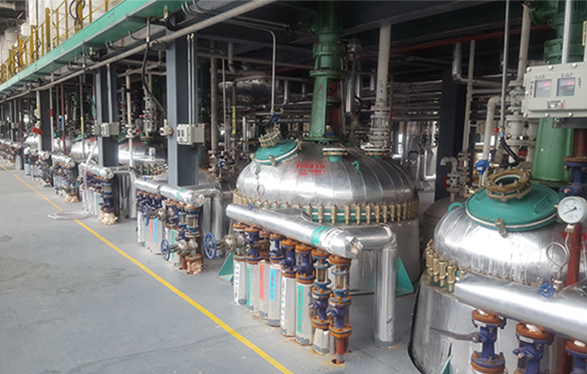
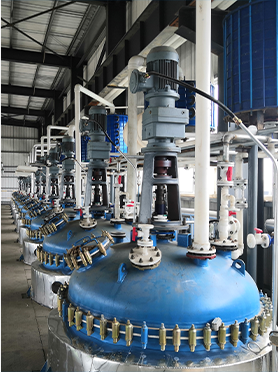
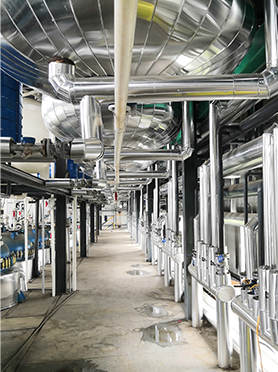
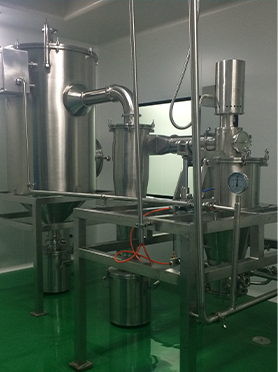
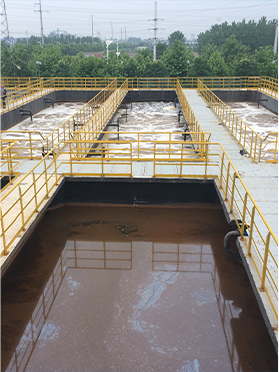
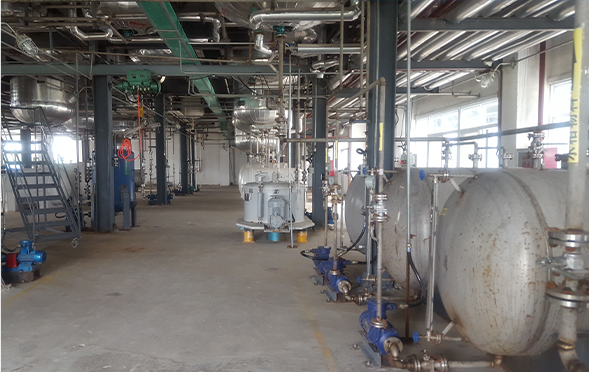
Manufacturing Facilities
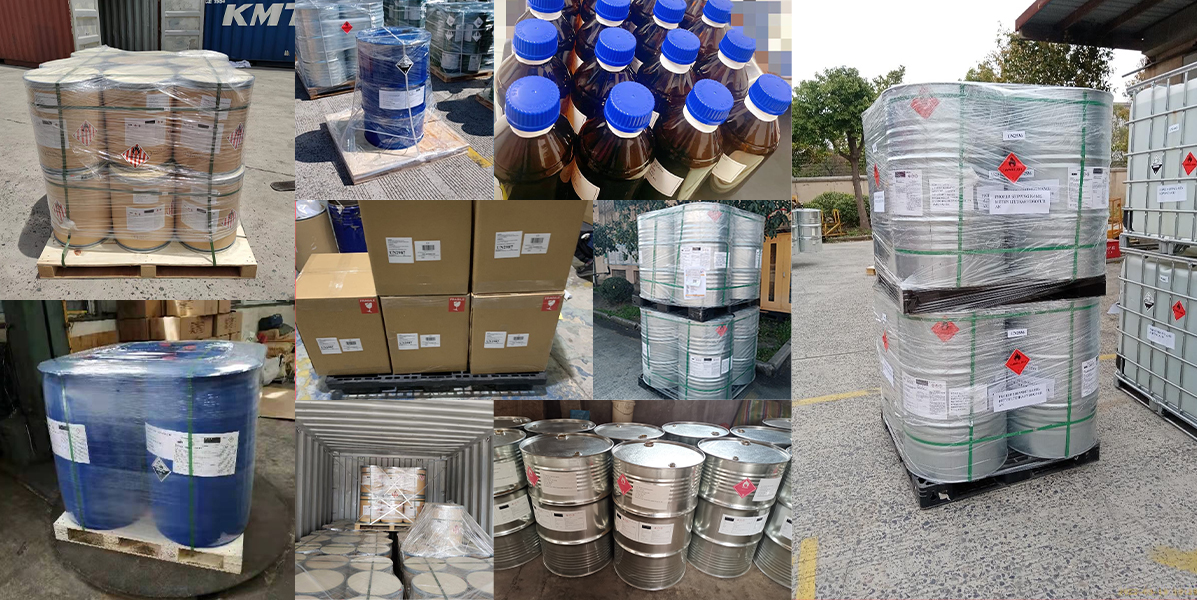
Professional Export Experience
to Global Customers
1. 20 years of R&D, manufacturing and sales experience, serving customers in 60 countries and regions around the world;
2. Own R&D laboratory, pilot platform and large-scale production workshop, which can meet the audit requirements of global customers;
3. We can satisfy customers' perfect transition from small scale lab requirements (gram level) to commercialization requirements (hundred tons level).
A: We don't have Minimum Order Quantity, exact quantity should be provided before quotation for us to calculate the exact cost.
A: We don't provide free samples due to lots of request and expensive international courier's cost, we can deduct the sample charge after commercial order placed.
A: Our payment terms: Small or sample order: T/T IN ADVANCE. Commercial order: First order should be by T/T IN ADVANCE or L/C at sight, and following orders T/T 30~90days is acceptable subject to approval of credit application.