
Custom Manufacturing, Project Outsourcing, your Trusted Partner from China
For manufacturers in the advanced ceramics sector, selecting the right dispersant is a critical decision that directly impacts production efficiency and final product quality. As a leading supplier of industrial chemicals, we understand the nuances involved in choosing an effective ceramic slurry additive. This guide aims to equip procurement managers and R&D scientists with the knowledge to identify the best ceramic dispersant for their specific applications.
The primary function of a ceramic dispersant is to prevent the agglomeration of fine particles in a slurry. Without proper dispersion, ceramic powders can clump together, leading to increased viscosity, poor flowability, and ultimately, defects in the final sintered product. A high-quality dispersant, such as the one we offer, facilitates uniform particle distribution, reducing the energy required for grinding and milling processes.
When evaluating ceramic dispersants, several key performance indicators should be considered. Firstly, the ability to significantly reduce slurry viscosity is paramount. This allows for higher solid content in the slurry, which is often desirable for efficient processing and reduced drying times. Secondly, the stability of the dispersed system is crucial. A good dispersant will maintain the slurry's low viscosity over time and across varying conditions like temperature and pH. This is where our product excels, offering reliable performance that manufacturers can depend on when they buy ceramic slurry additives.
Another critical factor, especially in high-temperature applications, is the dispersant's behavior during the firing or roasting process. Ideally, the dispersant should evaporate completely without leaving any detrimental residues that could affect the ceramic’s physical or chemical properties. Our ceramic dispersant is formulated for clean burn-out, ensuring the purity and integrity of your final ceramic components. This makes it an attractive option for those looking to purchase industrial ceramic dispersants from a reliable manufacturer.
When sourcing, it's essential to partner with a reputable supplier that can guarantee consistent quality and supply chain reliability. Understanding the product's chemical composition, its suitability for different ceramic types (e.g., alumina, silicon nitride, zirconia), and its impact on the rheology of the slurry are all vital. For procurement managers, getting detailed specifications and requesting samples is a standard practice to ensure the chosen dispersant meets all application requirements and can be purchased at a competitive price.
In conclusion, selecting a superior ceramic dispersant is an investment in manufacturing excellence. By focusing on viscosity reduction, stability, clean burn-out, and sourcing from trusted suppliers, businesses can optimize their ceramic slurry formulations and achieve superior product outcomes. If you are looking to buy ceramic dispersants that deliver exceptional performance, consider partnering with us for your industrial chemical needs.
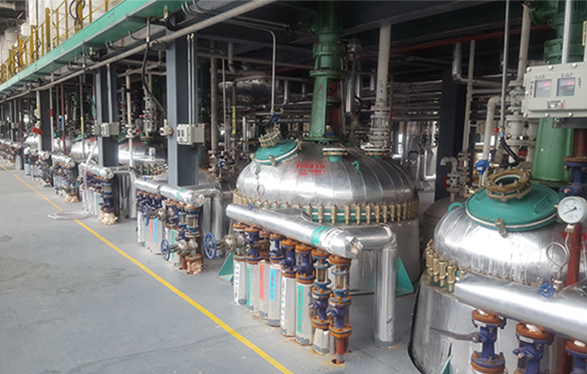
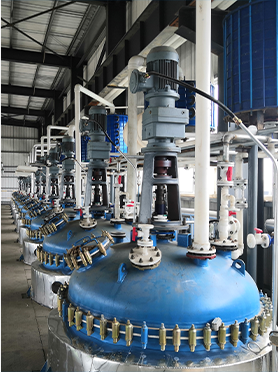
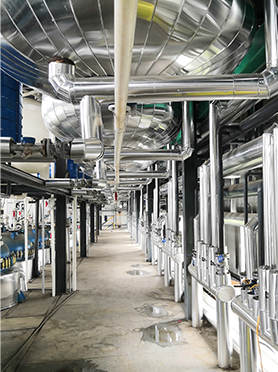
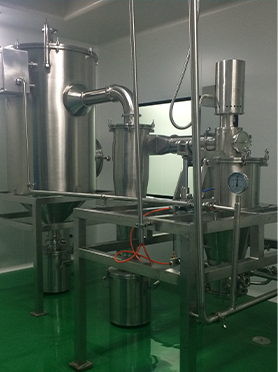
Manufacturing Facilities
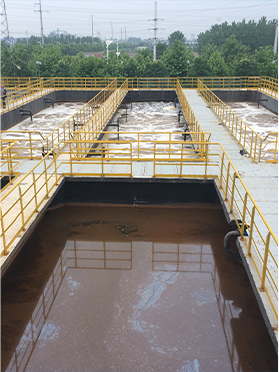
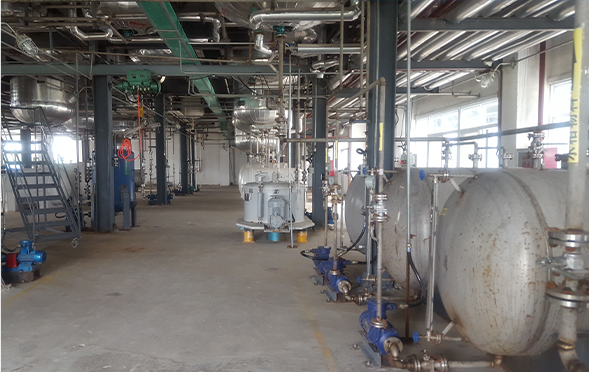
Professional Export Experience
to Global Customers
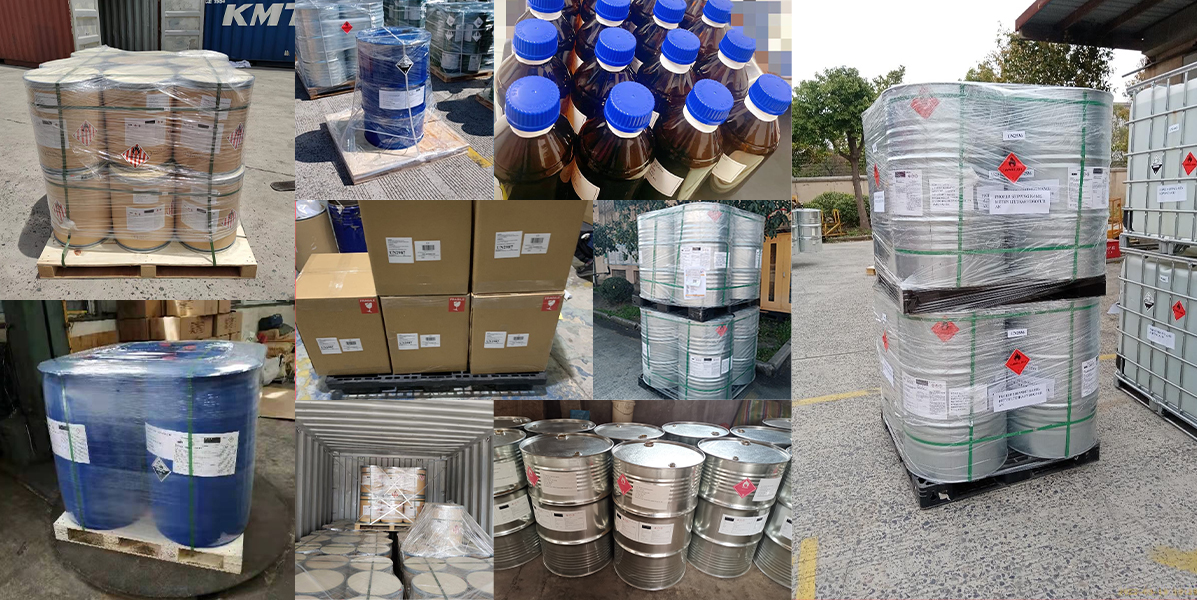
1. 20 years of R&D, manufacturing and sales experience, serving customers in 60 countries and regions around the world;
2. Own R&D laboratory, pilot platform and large-scale production workshop, which can meet the audit requirements of global customers;
3. We can satisfy customers' perfect transition from small scale lab requirements (gram level) to commercialization requirements (hundred tons level).
A: We don't have Minimum Order Quantity, exact quantity should be provided before quotation for us to calculate the exact cost.
A: We don't provide free samples due to lots of request and expensive international courier's cost, we can deduct the sample charge after commercial order placed.
A: Our payment terms: Small or sample order: T/T IN ADVANCE. Commercial order: First order should be by T/T IN ADVANCE or L/C at sight, and following orders T/T 30~90days is acceptable subject to approval of credit application.