
Custom Manufacturing, Project Outsourcing, your Trusted Partner from China
The effectiveness of Sodium Carboxymethyl Cellulose (CMC) in textile applications hinges on selecting the correct grade that matches the specific requirements of the process. Key parameters such as viscosity, degree of substitution (DS), purity, and particle size play critical roles in determining performance. Understanding these specifications is essential for textile manufacturers aiming to achieve optimal results in printing, dyeing, sizing, and finishing.
Viscosity is perhaps one of the most influential properties of CMC for textile applications. For thickening printing pastes, a higher viscosity grade might be preferred to achieve the desired consistency and sharp pattern definition. Conversely, for sizing, a different viscosity range might be optimal to ensure good film formation and yarn protection. The benefits of CMC for textile sizing, for example, are closely tied to its ability to form a strong yet flexible film, influenced by its molecular weight and thus its viscosity.
The Degree of Substitution (DS) refers to the average number of carboxymethyl groups attached to each anhydroglucose unit of the cellulose chain. A higher DS generally leads to improved water solubility and stability. In textile printing, a higher DS CMC might offer better performance with certain dyes. Purity is another critical factor; impurities like sodium chloride can affect dye dispersion and the overall dyeing process. Manufacturers must ensure they are sourcing high-quality CMC for textile applications that meets stringent purity standards.
When looking to buy sodium carboxymethyl cellulose for textiles, it's advisable to consult with suppliers about the specific grades available and their suitability for your intended use. For instance, a fabric finishing application might require a CMC with different properties than a warp sizing process. By carefully considering these factors and understanding the nuances of different CMC grades, textile manufacturers can effectively leverage this versatile chemical to enhance their product quality and process efficiency, ensuring they are using the most appropriate textile grade CMC powder for their needs.
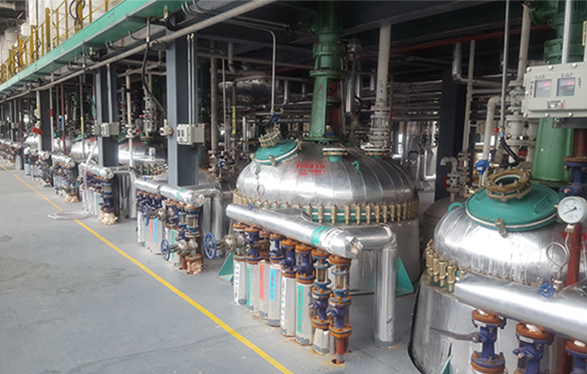
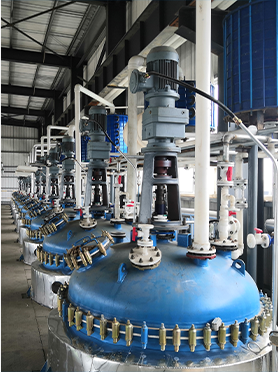
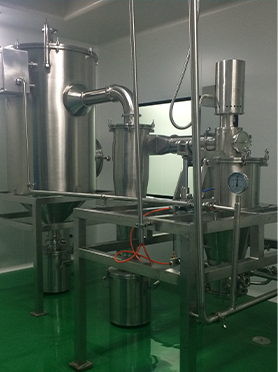
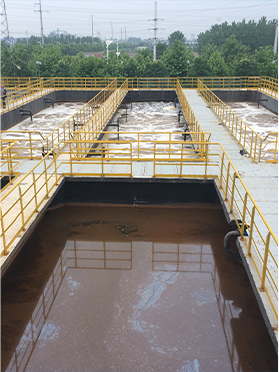
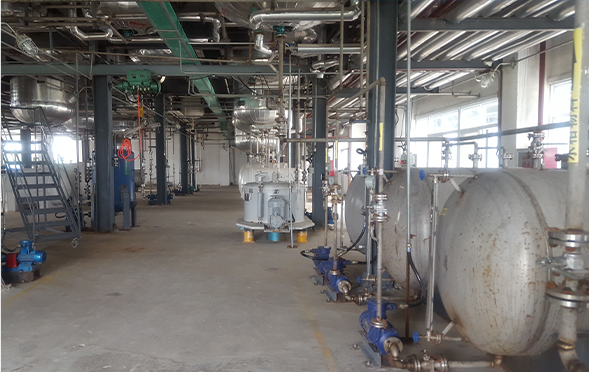
Manufacturing Facilities

Professional Export Experience
to Global Customers
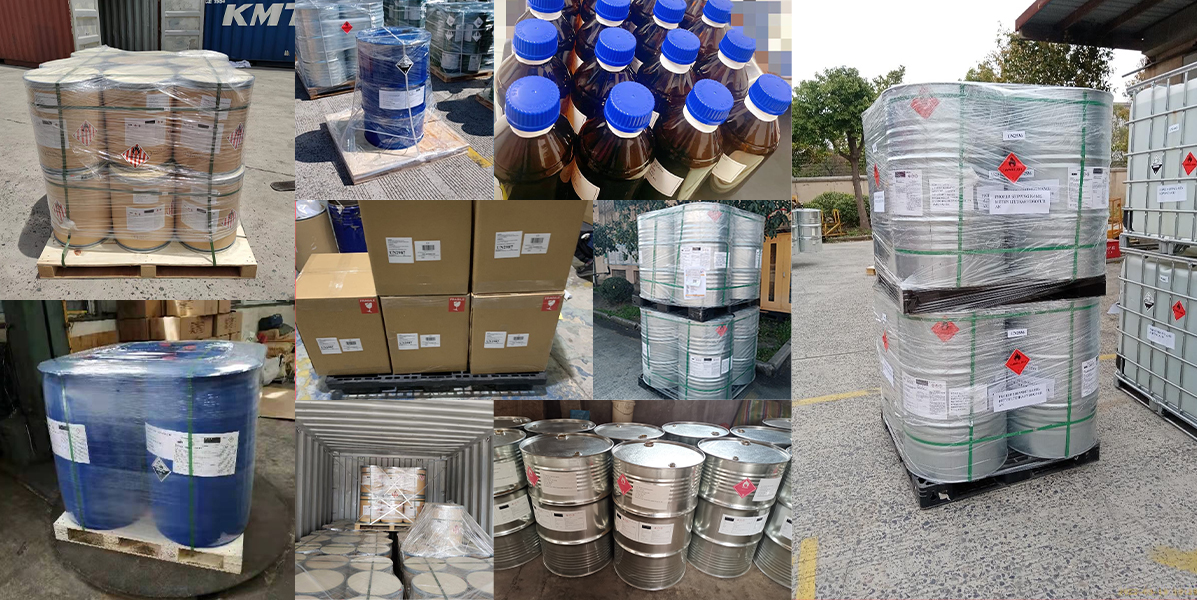
1. 20 years of R&D, manufacturing and sales experience, serving customers in 60 countries and regions around the world;
2. Own R&D laboratory, pilot platform and large-scale production workshop, which can meet the audit requirements of global customers;
3. We can satisfy customers' perfect transition from small scale lab requirements (gram level) to commercialization requirements (hundred tons level).
A: We don't have Minimum Order Quantity, exact quantity should be provided before quotation for us to calculate the exact cost.
A: We don't provide free samples due to lots of request and expensive international courier's cost, we can deduct the sample charge after commercial order placed.
A: Our payment terms: Small or sample order: T/T IN ADVANCE. Commercial order: First order should be by T/T IN ADVANCE or L/C at sight, and following orders T/T 30~90days is acceptable subject to approval of credit application.