
Custom Manufacturing, Project Outsourcing, your Trusted Partner from China
In the vibrant world of textile dyeing and printing, achieving flawless color results hinges on precise chemical formulations. Among the most critical components are dispersing agents, which ensure dyes remain stable and evenly distributed in the dye bath. As a leading manufacturer and supplier of textile auxiliaries, we understand the importance of selecting the correct type of dispersant for optimal performance. This guide will help you navigate the choice between anionic and non-ionic dispersing agents, crucial for any procurement manager or formulation scientist.
Understanding the Mechanism of Dispersion
Dispersing agents, also known as dispersants or dispersing aids, are surface-active agents designed to keep solid particles (like dyes) suspended in a liquid medium. They achieve this by adsorbing onto the surface of the particles, imparting a charge or steric hindrance that prevents them from aggregating. This stabilization is fundamental to achieving consistent color depth, preventing spotting, and ensuring a smooth fabric finish. When you're looking to buy high-quality textile chemicals, understanding the specific needs of your dye system is paramount.
Anionic Dispersing Agents: Power in Negative Charge
Anionic dispersing agents carry a net negative charge. This characteristic makes them particularly effective at dispersing particles that are positively charged or in environments where negative charges are beneficial. They are often formulated with acidic components and tend to perform well in alkaline conditions. For instance, if you are working with basic dyes or require dispersion in an alkaline dye bath, anionic dispersants are often the preferred choice. Their ability to create stable suspensions in specific chemical environments makes them a workhorse in many textile dyeing operations. Many manufacturers source these for their specific applications, valuing their reliable performance.
Non-Ionic Dispersing Agents: Versatility Across pH Ranges
In contrast, non-ionic dispersing agents are electrically neutral. This lack of charge provides them with a significant advantage: versatility. They are effective across a wide range of pH levels and are compatible with a diverse array of dye types, including disperse dyes, acid dyes, and reactive dyes, especially those sensitive to electrolytes. Non-ionic agents are often used when particle charge is uncertain or when a more delicate dispersion is required. Their broad applicability makes them an excellent general-purpose dispersant for many textile applications, from dyeing to printing.
Key Considerations for Textile Manufacturers
When deciding which type of dispersant to purchase, consider the following:
As a trusted manufacturer and supplier, we offer a comprehensive portfolio of both anionic and non-ionic dispersing agents. Our technical team can assist procurement managers and formulation scientists in selecting the ideal product to enhance their textile dyeing and printing processes, ensuring optimal performance and cost-effectiveness. Partner with us to source the high-quality textile auxiliary chemicals you need to achieve superior results.
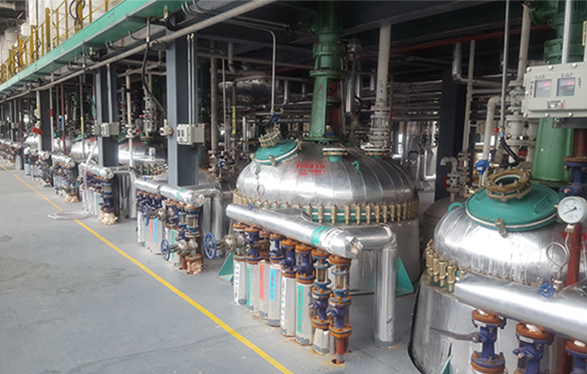
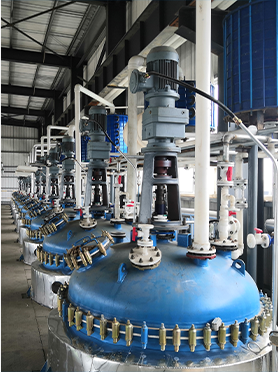
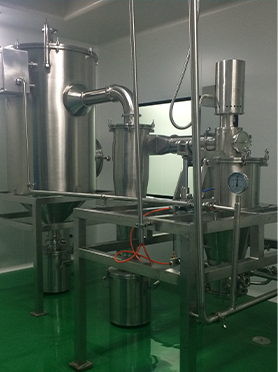
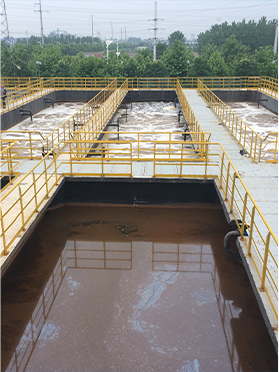
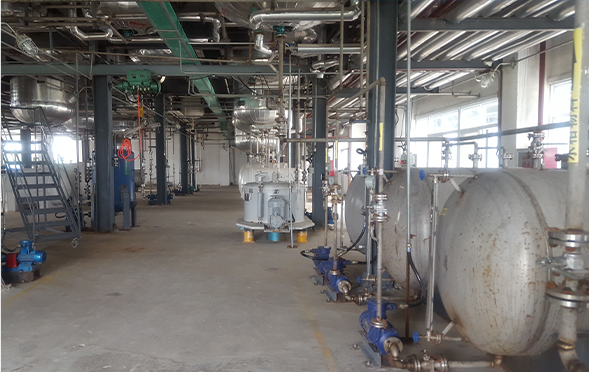
Manufacturing Facilities

Professional Export Experience
to Global Customers
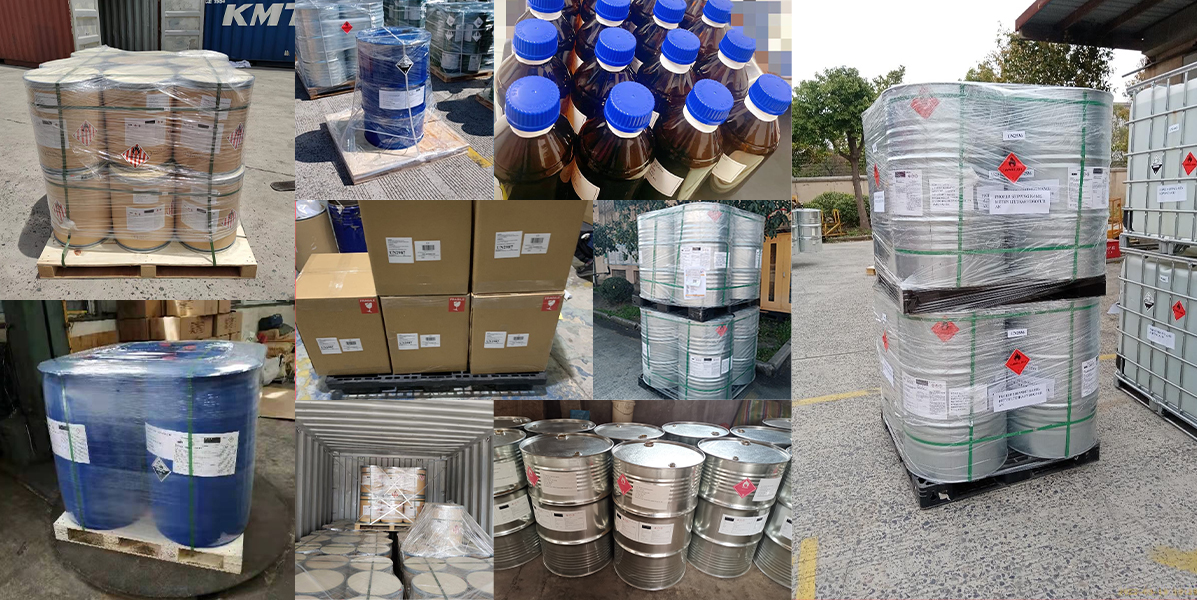
1. 20 years of R&D, manufacturing and sales experience, serving customers in 60 countries and regions around the world;
2. Own R&D laboratory, pilot platform and large-scale production workshop, which can meet the audit requirements of global customers;
3. We can satisfy customers' perfect transition from small scale lab requirements (gram level) to commercialization requirements (hundred tons level).
A: We don't have Minimum Order Quantity, exact quantity should be provided before quotation for us to calculate the exact cost.
A: We don't provide free samples due to lots of request and expensive international courier's cost, we can deduct the sample charge after commercial order placed.
A: Our payment terms: Small or sample order: T/T IN ADVANCE. Commercial order: First order should be by T/T IN ADVANCE or L/C at sight, and following orders T/T 30~90days is acceptable subject to approval of credit application.