
Custom Manufacturing, Project Outsourcing, your Trusted Partner from China
For professionals in the coatings, adhesives, and composites industries, the performance of an epoxy system hinges significantly on the choice of hardener. Selecting the correct epoxy hardener is not just about mixing two components; it's about understanding the intricate chemical reactions that dictate the final properties of the cured material. This guide aims to equip procurement managers, R&D scientists, and formulators with the knowledge to make informed decisions when purchasing epoxy hardeners.
The fundamental role of an epoxy hardener is to initiate and drive the curing process of epoxy resins. Without a hardener, epoxy resin remains a liquid. When combined in the correct ratio, the hardener's reactive groups form cross-links with the epoxy resin molecules, transforming the liquid into a solid, durable polymer network. The type of hardener used directly influences several key characteristics of the cured epoxy, including its strength, flexibility, chemical resistance, temperature tolerance, and cure speed.
Understanding Cure Speed: Fast, Medium, and Slow Hardeners
One of the most critical factors in hardener selection is cure speed. Hardeners are broadly categorized into fast, medium, and slow types:
As a premier supplier of epoxy hardeners, we understand that the 'best' speed depends entirely on the specific application and environmental conditions. When you buy from us, our technical team can help you select the appropriate cure speed.
Viscosity and Application Properties
The viscosity of an epoxy hardener, and subsequently the mixed epoxy system, plays a vital role in its application. Low-viscosity hardeners, like our Epoxy Hardener 8211, contribute to a more fluid mixture that is easier to mix, pour, and spread. This is particularly important for applications like self-leveling mortars, thin coatings, and laminations where good flow and wetting are required. Conversely, higher viscosity might be desired for creating gap-filling adhesives or putties.
Product formulators and R&D scientists often look for specific performance attributes that are influenced by the hardener. For instance, a hardener that promotes a bright surface finish, like Epoxy Hardener 8211, is highly sought after for decorative coatings. Similarly, hardeners that enhance chemical resistance or mechanical strength are critical for industrial applications.
Factors Influencing Hardener Choice:
When sourcing epoxy hardeners, it’s beneficial to work with a reputable manufacturer and supplier that can provide clear technical data sheets and support. Understanding the mix ratios, recommended application temperatures, and storage conditions is paramount. For example, our Epoxy Hardener 8211, with its specific gravity, viscosity, and amine value, is designed for optimal performance in mortar and coating applications.
In conclusion, selecting the right epoxy hardener involves a careful consideration of cure speed, viscosity, application requirements, and environmental factors. By partnering with experienced suppliers and manufacturers, you can ensure that you are procuring the highest quality epoxy hardeners to meet your project's demanding specifications. We invite you to explore our range of epoxy hardeners and experience the difference quality and expertise make.
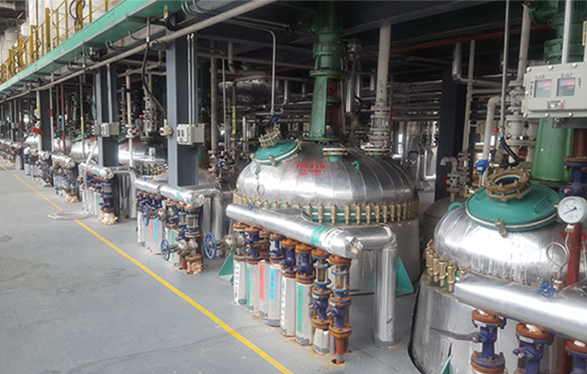
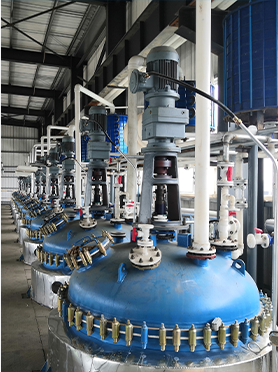
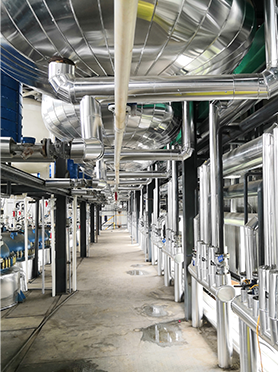
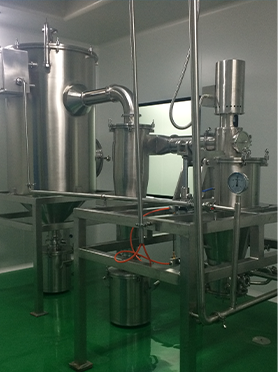
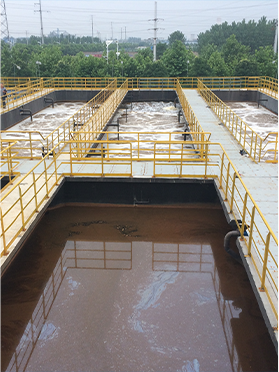
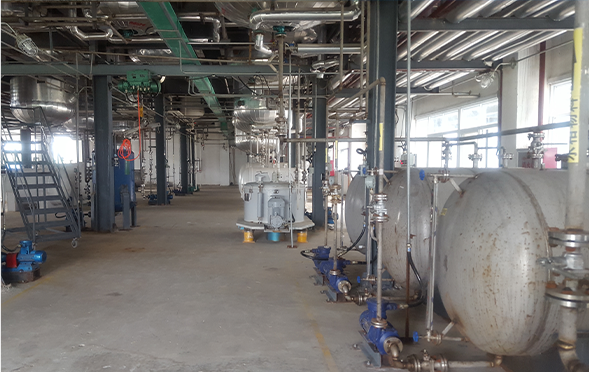
Manufacturing Facilities
Professional Export Experience
to Global Customers
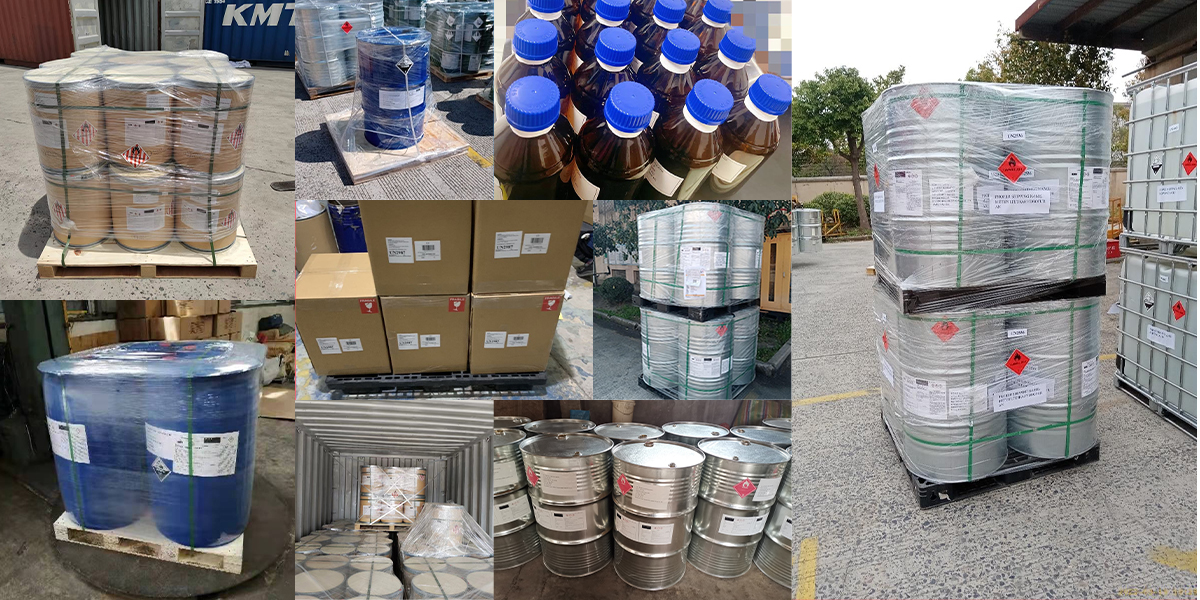
1. 20 years of R&D, manufacturing and sales experience, serving customers in 60 countries and regions around the world;
2. Own R&D laboratory, pilot platform and large-scale production workshop, which can meet the audit requirements of global customers;
3. We can satisfy customers' perfect transition from small scale lab requirements (gram level) to commercialization requirements (hundred tons level).
A: We don't have Minimum Order Quantity, exact quantity should be provided before quotation for us to calculate the exact cost.
A: We don't provide free samples due to lots of request and expensive international courier's cost, we can deduct the sample charge after commercial order placed.
A: Our payment terms: Small or sample order: T/T IN ADVANCE. Commercial order: First order should be by T/T IN ADVANCE or L/C at sight, and following orders T/T 30~90days is acceptable subject to approval of credit application.