
Custom Manufacturing, Project Outsourcing, your Trusted Partner from China
The selection of flame retardants is a critical decision for manufacturers aiming to enhance product safety and meet regulatory requirements. For decades, halogenated compounds (brominated and chlorinated) have been the go-to choice due to their perceived effectiveness and cost. However, a paradigm shift is underway, driven by growing concerns over environmental persistence, toxicity, and the release of harmful byproducts. In this evolving landscape, halogen-free alternatives like Phenoxycycloposphazene (CAS 1184-10-7) are gaining significant traction. This article provides a comparative look at these options, highlighting why Phenoxycycloposphazene is becoming the preferred choice for many applications.
The Drawbacks of Halogenated Flame Retardants
Halogenated flame retardants function primarily by releasing halogen radicals during combustion. These radicals interfere with the exothermic chain reactions of burning in the gas phase, effectively quenching the flame. While effective, they come with significant downsides:
The Advantages of Phenoxycycloposphazene (Halogen-Free)
Phenoxycycloposphazene offers a fundamentally different and more environmentally benign approach to fire safety. Its halogen-free nature is its primary advantage. Its mechanism of action relies on phosphorus and nitrogen synergy, which promotes char formation in the condensed phase and dilutes flammable gases in the gas phase, rather than relying on radical scavenging by halogens.
Cost and Availability Considerations
While the initial price of some halogen-free alternatives might have been higher in the past, advancements in manufacturing technology have made compounds like Phenoxycycloposphazene more cost-competitive. Sourcing from leading manufacturers of Phenoxycycloposphazene in China can provide a significant cost advantage, ensuring that adopting these safer alternatives is economically viable. When you decide to buy Phenoxycycloposphazene, you are investing in both product safety and a more sustainable future.
Conclusion
The shift towards halogen-free flame retardants is not merely a trend but a necessity for responsible manufacturing. Phenoxycycloposphazene (CAS 1184-10-7) stands out as a high-performance, environmentally sound, and safe alternative to traditional halogenated compounds. For manufacturers prioritizing safety, sustainability, and regulatory compliance, partnering with a reliable supplier to procure this advanced flame retardant is a strategic imperative.
Manufacturing Facilities
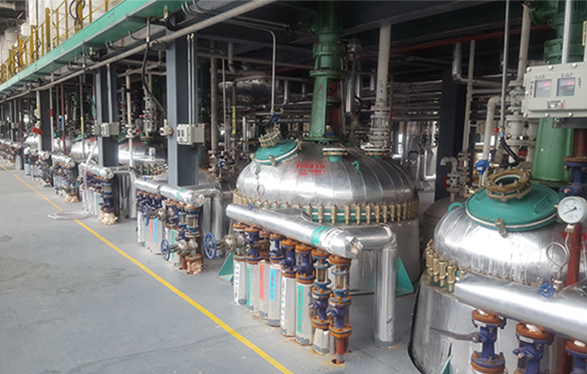
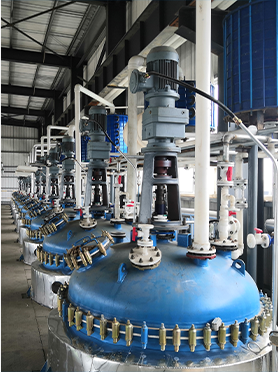
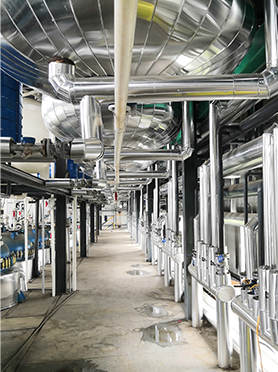
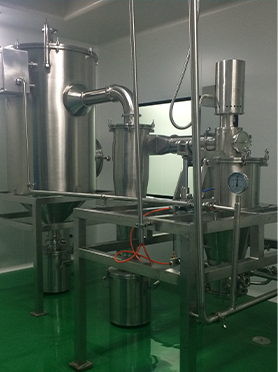
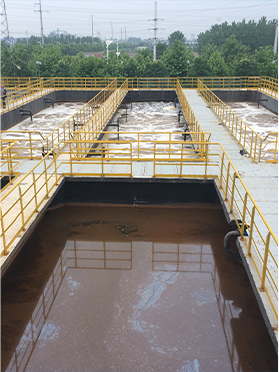
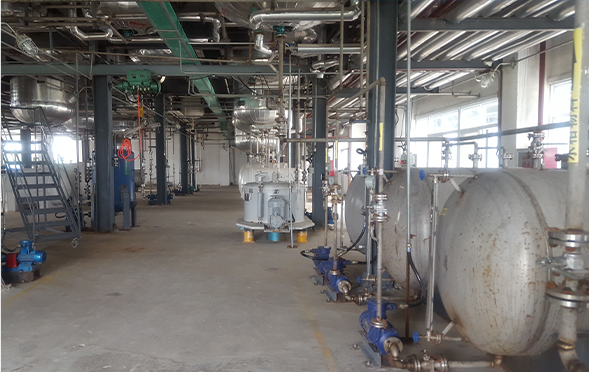
Professional Export Experience
to Global Customers
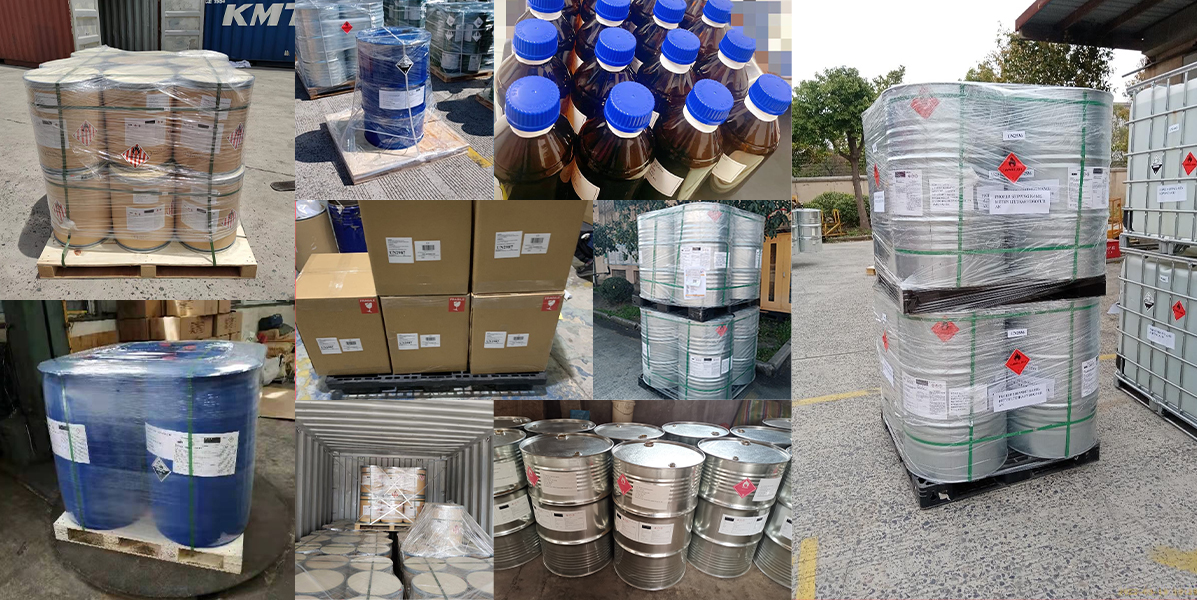
1. 20 years of R&D, manufacturing and sales experience, serving customers in 60 countries and regions around the world;
2. Own R&D laboratory, pilot platform and large-scale production workshop, which can meet the audit requirements of global customers;
3. We can satisfy customers' perfect transition from small scale lab requirements (gram level) to commercialization requirements (hundred tons level).
A: We don't have Minimum Order Quantity, exact quantity should be provided before quotation for us to calculate the exact cost.
A: We don't provide free samples due to lots of request and expensive international courier's cost, we can deduct the sample charge after commercial order placed.
A: Our payment terms: Small or sample order: T/T IN ADVANCE. Commercial order: First order should be by T/T IN ADVANCE or L/C at sight, and following orders T/T 30~90days is acceptable subject to approval of credit application.