
Custom Manufacturing, Project Outsourcing, your Trusted Partner from China
In the realm of polymer science and manufacturing, plasticizers are indispensable additives that enhance the flexibility, workability, and durability of materials. While a vast array of plasticizers exist, each with its unique set of properties, Triethyl Phosphate (TEP), with CAS number 78-40-0, stands out for its specific advantages in certain industrial applications. As a colorless, transparent liquid, TEP offers a valuable combination of characteristics that make it a preferred choice for formulators aiming to achieve specific material performance goals.
TEP's primary function as a plasticizer lies in its ability to reduce the glass transition temperature (Tg) of polymers. By doing so, it increases the freedom of movement between polymer chains, leading to a more flexible and less brittle material. This is particularly beneficial in applications such as PUR rigid foam and various thermosetting resins, where maintaining structural integrity while providing a degree of flexibility is crucial. The chemical structure of TEP, an ester of phosphoric acid and ethanol, allows it to interact effectively with polymer matrices, imparting these desirable properties.
Beyond its plasticizing capabilities, TEP also possesses inherent flame-retardant properties. This dual functionality is a significant advantage for manufacturers, as it allows for a single additive to contribute to both material flexibility and fire safety. This can lead to simplified formulations and potentially reduced costs by minimizing the need for separate flame retardant additives. When considering the purchase of Triethyl Phosphate, understanding this combined benefit is key to appreciating its value proposition.
For procurement professionals and R&D scientists, sourcing high-quality TEP is paramount. Manufacturers and suppliers in regions like China are well-positioned to offer TEP at competitive prices, especially for bulk orders. When you look to buy Triethyl Phosphate, seeking out suppliers who can guarantee purity (often 99.5% or higher) and consistent quality is essential for predictable product performance. The term 'phosphoric ether' often refers to such phosphate esters, highlighting TEP's chemical classification.
The applications for TEP as a plasticizer extend to its use in chemical synthesis as an intermediate, and even as an industrial catalyst. However, its role in modifying the physical properties of polymers remains a cornerstone of its industrial utility. For companies involved in producing coatings, adhesives, or specialized polymer compounds, TEP can offer a solution to achieve the desired balance of flexibility, resilience, and safety.
In summary, Triethyl Phosphate is a valuable chemical additive that offers significant benefits as a plasticizer, particularly in applications requiring enhanced flexibility and inherent flame retardancy. Its ability to improve material properties, combined with its availability from reputable manufacturers and suppliers, makes it an attractive option for a wide range of industrial uses. For those seeking to optimize their material formulations, exploring the advantages and procurement options for TEP is a worthwhile endeavor.
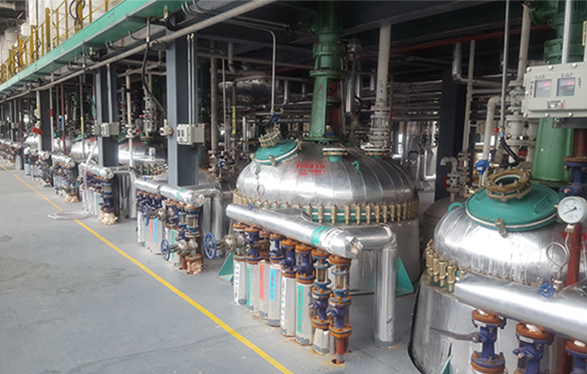
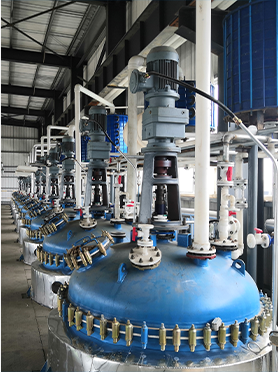
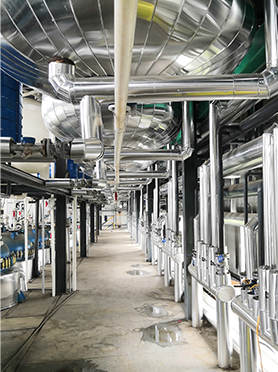
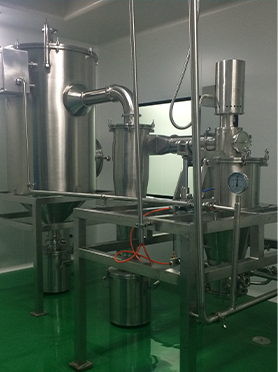
Manufacturing Facilities
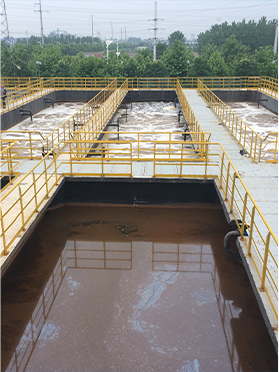
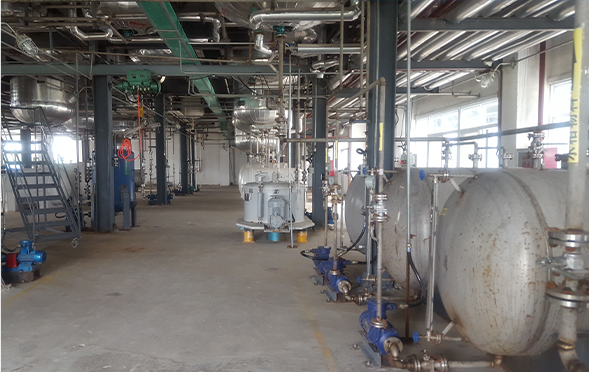
Professional Export Experience
to Global Customers
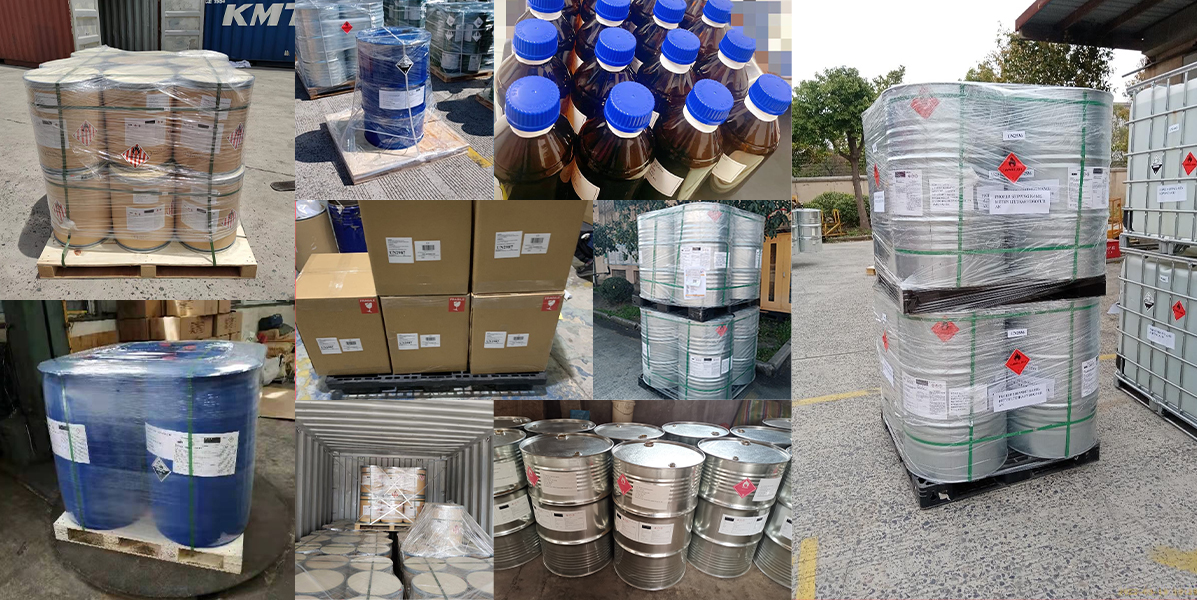
1. 20 years of R&D, manufacturing and sales experience, serving customers in 60 countries and regions around the world;
2. Own R&D laboratory, pilot platform and large-scale production workshop, which can meet the audit requirements of global customers;
3. We can satisfy customers' perfect transition from small scale lab requirements (gram level) to commercialization requirements (hundred tons level).
A: We don't have Minimum Order Quantity, exact quantity should be provided before quotation for us to calculate the exact cost.
A: We don't provide free samples due to lots of request and expensive international courier's cost, we can deduct the sample charge after commercial order placed.
A: Our payment terms: Small or sample order: T/T IN ADVANCE. Commercial order: First order should be by T/T IN ADVANCE or L/C at sight, and following orders T/T 30~90days is acceptable subject to approval of credit application.