Polyacrylamide (PAM) is a highly versatile polymer used across a spectrum of industrial applications, primarily for its flocculation and thickening properties. However, PAM is not a monolithic product; it exists in three primary forms: Anionic Polyacrylamide (APAM), Cationic Polyacrylamide (CPAM), and Nonionic Polyacrylamide (NPAM). Each type possesses distinct characteristics that make it more suitable for particular applications. Understanding these differences is crucial for selecting the most effective PAM for a given task.
Anionic Polyacrylamide (APAM):APAM features negatively charged functional groups along its polymer chain, typically carboxylate groups derived from the hydrolysis of acrylamide monomers. This anionic nature makes APAM highly effective in neutralizing positively charged suspended particles or in systems with high concentrations of cations. Key applications include:
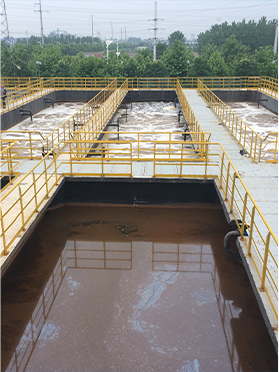
- Wastewater Treatment: Particularly effective for neutral to alkaline wastewaters with high concentrations of suspended solids, such as those from steel plants, electroplating facilities, and metallurgical operations. It also aids in clarifying drinking water sources.
- Mineral Processing: Used for thickening slurries, dewatering tailings, and aiding in flotation processes where positively charged minerals or conditions prevail.
- Paper Manufacturing: Acts as a retention and drainage aid, improving the retention of fillers and fibers, and enhancing paper strength.
- Oilfield Applications: Used in polymer flooding for enhanced oil recovery due to its ability to increase water viscosity and improve sweep efficiency.
Cationic Polyacrylamide (CPAM):CPAM has positively charged functional groups, often amine or quaternary ammonium groups. This cationic charge makes it ideal for flocculating negatively charged particles, which are common in many industrial and municipal sludges. Its primary applications include:
- Sludge Dewatering: CPAM is exceptionally effective at dewatering municipal and industrial sludges. It binds to the negatively charged sludge particles, forming large, easily dewatered flocs, significantly reducing sludge volume and improving cake dryness.
- Wastewater Treatment: Highly effective for treating wastewater containing negatively charged organic matter, such as effluents from the textile, food processing, and fermentation industries. It is often several times more effective than anionic or nonionic PAM in these applications.
- Papermaking: Acts as a dry strength agent, retention aid, and sizing agent, improving paper quality and production efficiency.
- Oilfield: Used as clay anti-swelling agents and thickening agents in oilfield acidification.
Nonionic Polyacrylamide (NPAM):NPAM lacks significant electrostatic charge. Its effectiveness stems primarily from its high molecular weight and the hydrogen bonding capabilities of its amide groups. NPAM is generally used in applications where the charge of the particles is neutral or less of a factor, or when combined with inorganic flocculants.
- Sewage Treatment: Particularly useful for acidic sewage and when used in conjunction with inorganic flocculants for tap water purification.
- Textile Industry: Employed as a sizing agent to stabilize slurry properties and improve fabric finish.
- Sand Control: Used in desert areas for sand stabilization and soil moisturizing.
- Petroleum Industry: Utilized in oil recovery, drilling muds, and friction reduction.
Choosing the correct type of polyacrylamide is paramount for achieving optimal results. Factors such as the pH of the water or slurry, the charge of the suspended particles, and the desired outcome (clarification, dewatering, viscosity modification) all play a role in the selection process. Consulting with experienced chemical suppliers can help pinpoint the most suitable PAM product for your specific industrial needs.