
Custom Manufacturing, Project Outsourcing, your Trusted Partner from China
In the world of chemical ingredients, particularly surfactants and emulsifiers, understanding the nuances between similar compounds is crucial for successful product formulation. Polysorbates, a family of non-ionic surfactants, are widely used in industries ranging from cosmetics and food to pharmaceuticals. Among the most common are Polysorbate 20 and Polysorbate 80. As a leading supplier of these versatile ingredients, we aim to provide clarity on their differences and help manufacturers make informed choices for their specific applications.
Polysorbates are synthesized by reacting sorbitol with ethylene oxide to create polyoxyethylenated sorbitan, which is then esterified with different fatty acids. The number designation in the name refers to the type of fatty acid and the degree of ethoxylation, which influence their physical properties and applications. Both Polysorbate 20 and Polysorbate 80 are effective emulsifiers, solubilizers, and stabilizers, but their distinct fatty acid components dictate their optimal uses.
Polysorbate 20: The Lighter Option
Polysorbate 20 is derived from lauric acid, a lighter fatty acid. This composition gives it a slightly higher hydrophilic-lipophilic balance (HLB) value, typically around 16.7. Its properties make it particularly adept at solubilizing lighter oils, fragrances, and essential oils in water-based formulations. Consequently, Polysorbate 20 is often favored in cosmetics for products like facial toners, micellar waters, and lighter lotions, where a gentle solubilizing effect is needed.
Polysorbate 80: The Heavy-Duty Emulsifier
Polysorbate 80, on the other hand, is derived from oleic acid, a heavier fatty acid. It has a slightly lower HLB value, around 15, which makes it an excellent emulsifier for heavier oils, viscous ingredients, and fragrance oils. Its robust emulsifying power is highly valued in products requiring the stable dispersion of substantial oil phases, such as in thicker creams, lotions, oil-based cleansers, and even in certain food applications like ice cream and salad dressings. For pharmaceutical applications, its stability and solubilizing capabilities are also highly regarded.
Key Differences at a Glance:
Sourcing from a Reliable Manufacturer
Choosing the right polysorbate is critical for product performance. As a leading supplier of both Polysorbate 20 and Polysorbate 80, we ensure the highest quality for cosmetic, food, and pharmaceutical applications. We understand that manufacturers need reliable access to these ingredients at competitive prices. Our global reach and commitment to quality make us the preferred partner for sourcing these essential surfactants. We encourage potential clients to buy Polysorbate 80 and Polysorbate 20 from us for consistent results.
In summary, while both Polysorbate 20 and Polysorbate 80 are valuable non-ionic surfactants, their differences in fatty acid composition and HLB values lead to distinct application strengths. Understanding these differences allows manufacturers to select the optimal ingredient for their specific product needs, ensuring efficacy, stability, and consumer satisfaction.
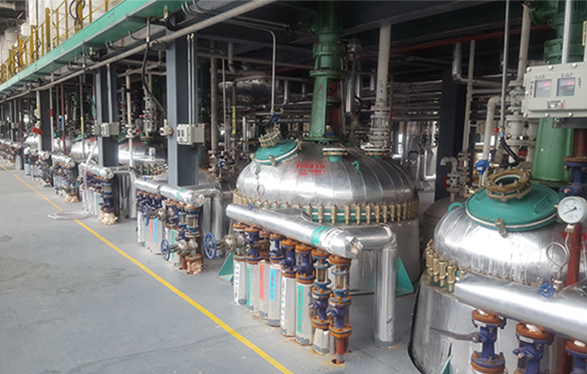
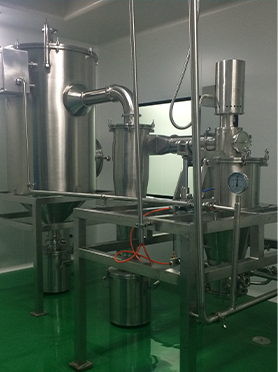
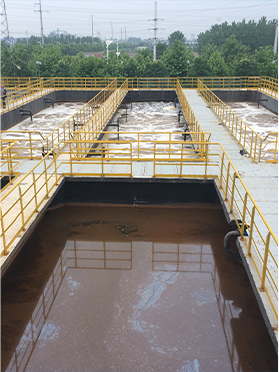
Manufacturing Facilities



Professional Export Experience
to Global Customers
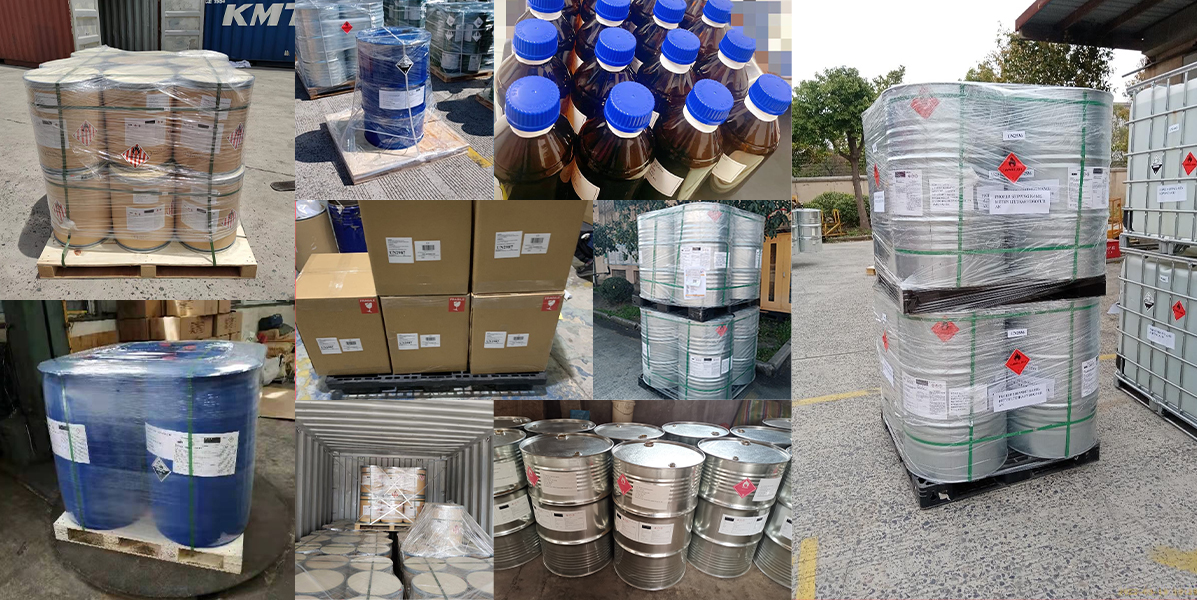
1. 20 years of R&D, manufacturing and sales experience, serving customers in 60 countries and regions around the world;
2. Own R&D laboratory, pilot platform and large-scale production workshop, which can meet the audit requirements of global customers;
3. We can satisfy customers' perfect transition from small scale lab requirements (gram level) to commercialization requirements (hundred tons level).
A: We don't have Minimum Order Quantity, exact quantity should be provided before quotation for us to calculate the exact cost.
A: We don't provide free samples due to lots of request and expensive international courier's cost, we can deduct the sample charge after commercial order placed.
A: Our payment terms: Small or sample order: T/T IN ADVANCE. Commercial order: First order should be by T/T IN ADVANCE or L/C at sight, and following orders T/T 30~90days is acceptable subject to approval of credit application.