
Custom Manufacturing, Project Outsourcing, your Trusted Partner from China
In the realm of material science and chemical formulation, selecting the correct silane coupling agent is critical for achieving optimal performance and durability. While various silane chemistries exist, epoxy-functional and amino-functional silanes are among the most widely used due to their broad compatibility and effectiveness. This article aims to guide procurement specialists and R&D scientists in understanding the differences and optimal applications for these vital additives, with a particular focus on the advantages offered by epoxy silanes like 3-Glycidoxypropyltriethoxysilane (CAS 2602-34-8).
As a leading manufacturer and supplier, NINGBO INNO PHARMCHEM CO.,LTD. provides a comprehensive range of silane coupling agents, enabling our clients to make informed decisions based on their specific application needs. When you need to buy chemical intermediates, understanding these distinctions ensures you procure the most suitable material for your formulation's success.
Understanding the Core Chemistries: Epoxy vs. Amino Silanes
Silane coupling agents fundamentally work by creating a bridge between an inorganic substrate (like glass fiber, silica, or metal) and an organic polymer matrix (such as epoxy, polyurethane, or acrylic). The inorganic side of the silane molecule (typically alkoxy groups like methoxy or ethoxy) hydrolyzes to form silanols, which react with hydroxyl groups on the inorganic surface. The organic side of the molecule then interacts with the polymer.
1. Epoxy Silanes (e.g., 3-Glycidoxypropyltriethoxysilane):
The defining feature of epoxy silanes is the presence of an epoxy group (a reactive three-membered ring containing oxygen). This group is highly versatile and reacts via ring-opening mechanisms with many functional groups found in polymers, including amines, hydroxyls, carboxyls, and thiols. This makes epoxy silanes exceptionally compatible with a broad spectrum of thermoset and thermoplastic resins.
Key Advantages:
Typical Applications: Coatings, adhesives, sealants, composites, electronic encapsulation, and paints where clarity and durability are paramount. If you are a formulator seeking to buy a versatile adhesion promoter, our 3-Glycidoxypropyltriethoxysilane is a prime candidate.
2. Amino Silanes (e.g., 3-Aminopropyltriethoxysilane):
Amino silanes contain a primary or secondary amine group. The amine group is nucleophilic and readily reacts with electrophilic sites on polymers. They are particularly effective with epoxy resins (reacting with the epoxy ring), isocyanates (forming urea linkages), and other polymers containing reactive functional groups.
Key Advantages:
Typical Applications: Epoxy adhesives and coatings, polyurethane sealants, rubber-to-metal bonding, and glass fiber reinforced composites. These are often the go-to choice when formulating with epoxy or polyurethane systems where color is not a primary concern.
Making the Right Choice for Your Application
When deciding which type of silane coupling agent to buy, consider the following:
Partner with a Trusted Supplier
At NINGBO INNO PHARMCHEM CO.,LTD., we offer a comprehensive portfolio of silane coupling agents, including high-purity epoxy silanes like 3-Glycidoxypropyltriethoxysilane (CAS 2602-34-8). Our commitment to quality, competitive pricing, and reliable supply chain management makes us an ideal partner for your chemical sourcing needs. We encourage procurement managers to contact us to learn more about our product offerings and how we can support your innovative formulations. Choosing the right silane coupling agent is a crucial step in achieving exceptional product performance, and we are here to assist you every step of the way.
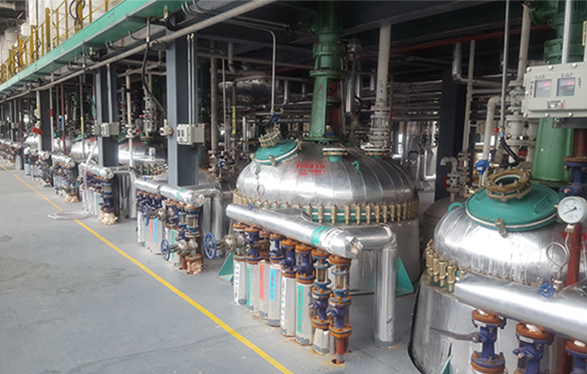
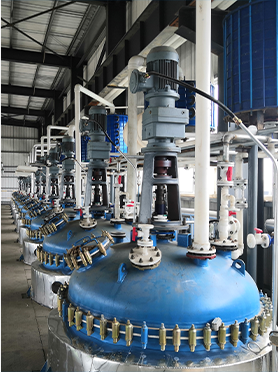
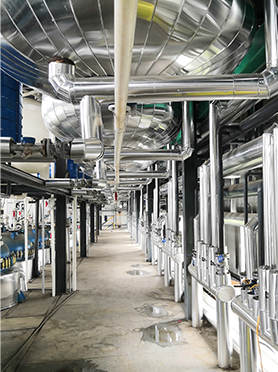
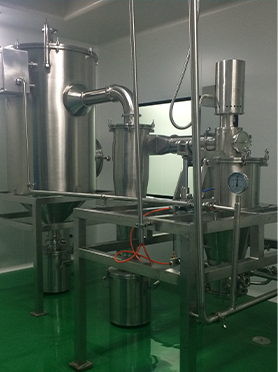
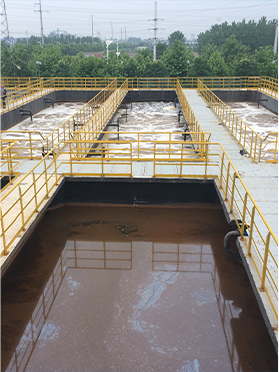
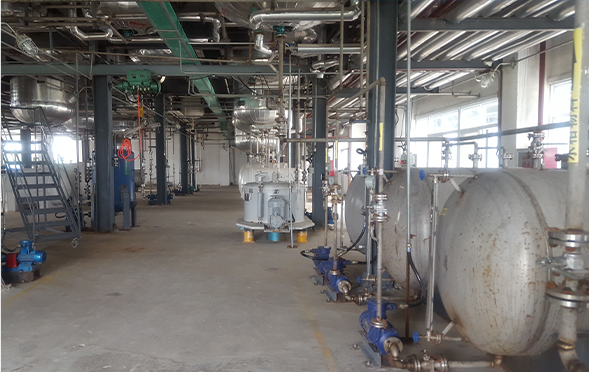
Manufacturing Facilities
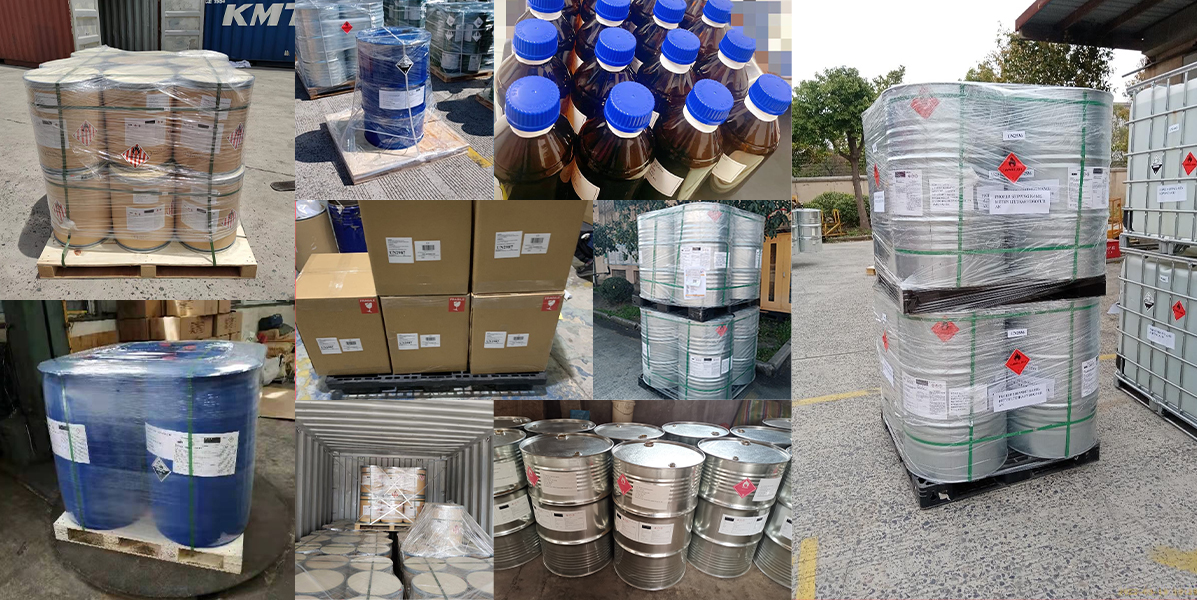
Professional Export Experience
to Global Customers
1. 20 years of R&D, manufacturing and sales experience, serving customers in 60 countries and regions around the world;
2. Own R&D laboratory, pilot platform and large-scale production workshop, which can meet the audit requirements of global customers;
3. We can satisfy customers' perfect transition from small scale lab requirements (gram level) to commercialization requirements (hundred tons level).
A: We don't have Minimum Order Quantity, exact quantity should be provided before quotation for us to calculate the exact cost.
A: We don't provide free samples due to lots of request and expensive international courier's cost, we can deduct the sample charge after commercial order placed.
A: Our payment terms: Small or sample order: T/T IN ADVANCE. Commercial order: First order should be by T/T IN ADVANCE or L/C at sight, and following orders T/T 30~90days is acceptable subject to approval of credit application.