
Custom Manufacturing, Project Outsourcing, your Trusted Partner from China
The textile industry is constantly evolving, with a persistent focus on improving fabric quality, comfort, and functionality. At the heart of achieving these goals lies the strategic use of textile auxiliaries, particularly silicone softeners. As a leading provider of innovative chemical solutions, we are committed to helping textile professionals navigate the complexities of product selection. This guide aims to demystify the process of choosing the right silicone softener, ensuring optimal results for your specific applications.
Silicone softeners are a cornerstone of modern textile finishing. Their unique molecular structure, based on silicon-oxygen backbones, provides flexibility, thermal stability, and excellent lubrication properties. Unlike traditional softeners, silicone-based agents offer enhanced durability, resisting degradation through repeated washing cycles. They work by coating textile fibers, reducing inter-fiber friction, and consequently imparting a superior softness, smoothness, and a pleasant handle.
When seeking to purchase silicone softeners, it's crucial to consider several key factors, starting with the fabric type. Different fibers have distinct characteristics and require specific softener formulations for optimal performance:
Beyond fabric type, the desired finish also dictates the choice of softener. Are you aiming for a silky smooth feel, a fluffy hand, or improved drape? Different silicone structures are designed to achieve these specific aesthetic and tactile qualities. For instance, amino silicones are known for delivering exceptional softness, while certain block copolymers can add a glossy sheen or a dry feel.
The application method is another critical consideration. Whether you are using padding, exhaustion, or spraying techniques, the viscosity, stability, and emulsification properties of the silicone softener will influence its effectiveness. Manufacturers often provide detailed instructions on how to best apply their products, whether as a concentrated emulsion or a pre-diluted solution.
When sourcing silicone softeners, partnering with a reliable manufacturer or supplier is essential. Look for suppliers who can offer technical support, consistent product quality, and competitive pricing. Companies with a strong R&D background are often at the forefront of developing innovative formulations that address evolving market demands, such as eco-friendly or high-performance options.
In summary, selecting the right silicone softener involves a careful assessment of fabric type, desired finish, and application method. By understanding these factors and working with a trusted chemical supplier, textile professionals can effectively leverage these advanced materials to create fabrics that offer superior comfort, performance, and aesthetic appeal. If you are looking to buy high-quality textile auxiliaries, our range of silicone softeners is designed to meet your most demanding requirements.
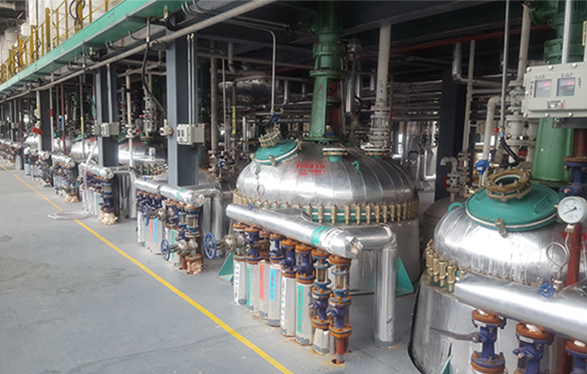
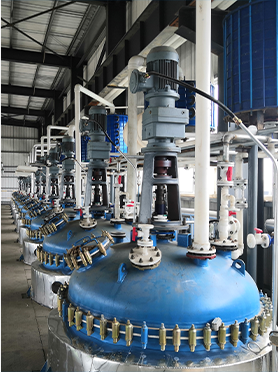
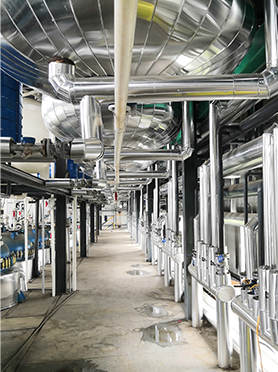
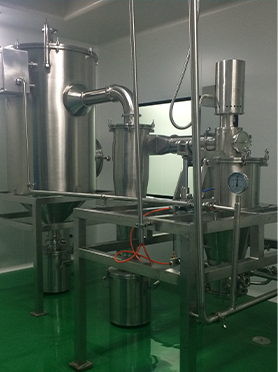
Manufacturing Facilities
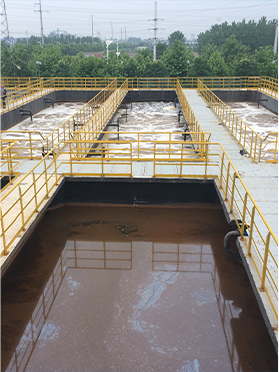
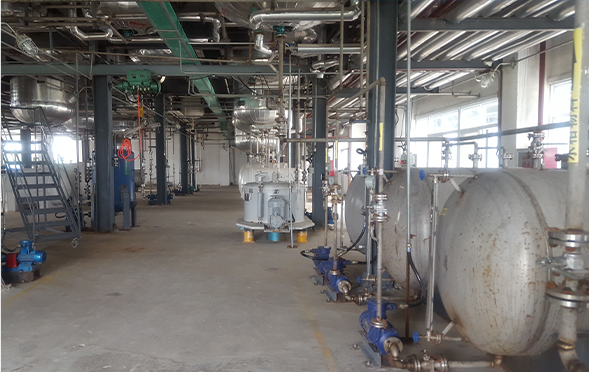
Professional Export Experience
to Global Customers
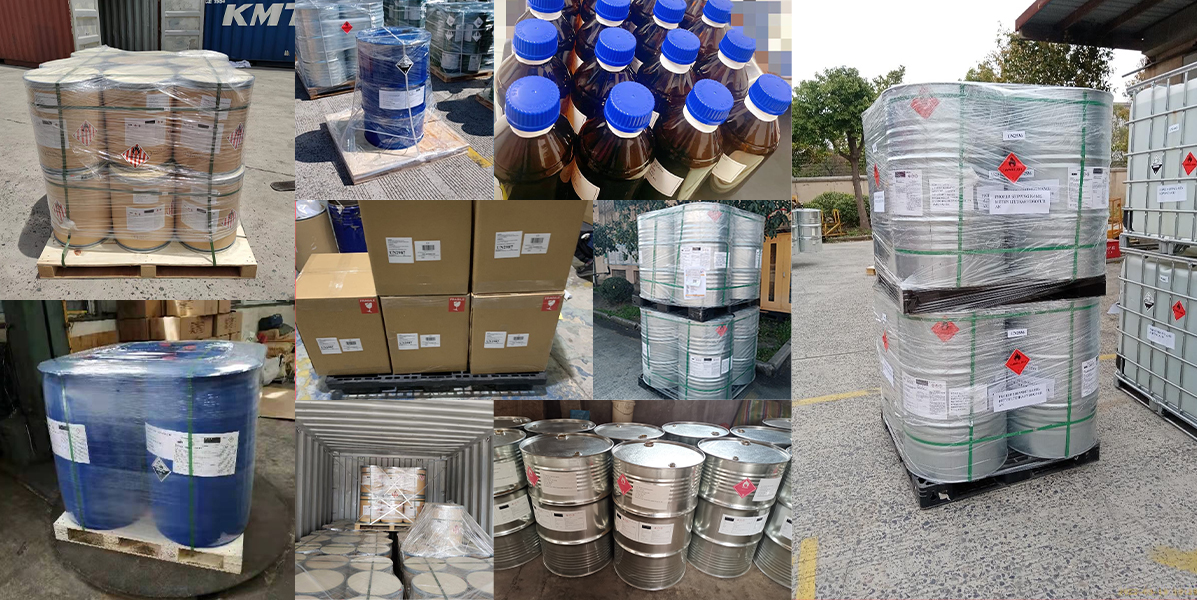
1. 20 years of R&D, manufacturing and sales experience, serving customers in 60 countries and regions around the world;
2. Own R&D laboratory, pilot platform and large-scale production workshop, which can meet the audit requirements of global customers;
3. We can satisfy customers' perfect transition from small scale lab requirements (gram level) to commercialization requirements (hundred tons level).
A: We don't have Minimum Order Quantity, exact quantity should be provided before quotation for us to calculate the exact cost.
A: We don't provide free samples due to lots of request and expensive international courier's cost, we can deduct the sample charge after commercial order placed.
A: Our payment terms: Small or sample order: T/T IN ADVANCE. Commercial order: First order should be by T/T IN ADVANCE or L/C at sight, and following orders T/T 30~90days is acceptable subject to approval of credit application.