
Custom Manufacturing, Project Outsourcing, your Trusted Partner from China
The textile industry is constantly evolving, demanding innovative solutions for fabric finishing. Among the most critical auxiliaries are fabric softeners, chosen to enhance feel, drape, and overall quality. For textile mills, understanding the differences between nonionic and cationic softeners is vital for making the right selection that aligns with their production goals and product requirements. This comparison aims to guide procurement managers, R&D scientists, and formulators in choosing the optimal softener type.
Cationic Softeners: The Traditional Choice
Cationic softeners have long been a staple in textile finishing. Their positive electrical charge allows them to strongly adhere to the negatively charged surfaces of most textile fibers, particularly cotton and cellulosics. This strong affinity results in an immediate and noticeable softening effect, often described as silky or smooth. They are also known for their excellent antistatic properties, making them a popular choice for reducing cling in garments. Manufacturers often search for 'cationic softener flakes' or 'fabric softener for cotton' when this type of finish is desired. However, cationic softeners can have drawbacks. Their strong affinity can sometimes interfere with dye uptake, leading to shade changes or reduced color depth, especially in darker shades or bright colors. They can also build up on fabrics over repeated wash cycles, potentially affecting absorbency and creating a waxy feel. For applications where color brilliance and water absorbency are critical, their use may be limited.
Nonionic Softeners: The Modern All-Rounder
Nonionic softeners, characterized by their neutral electrical charge, offer a different set of advantages that are increasingly valued in modern textile production. Their neutral nature means they have a broader compatibility with various dyes, finishes, and fabric types, including synthetics like polyester and nylon, as well as blends. This makes them highly versatile for manufacturers producing a diverse range of textiles.
A key benefit of nonionic softeners is their superior non-yellowing performance. This is crucial for textile mills working with white fabrics or pastel shades, as nonionic softeners are less likely to cause discoloration, even during high-temperature finishing processes. They also provide excellent softness and fullness without the significant risk of color alteration or build-up associated with some cationic softeners. Buyers seeking 'non-yellowing fabric softener' or 'color-safe textile softener' often turn to nonionic options.
Furthermore, many nonionic softeners contribute positively to fabric hydrophilicity, enhancing moisture management and breathability—a significant advantage for activewear and home textiles. While they may offer moderate antistatic properties, their strength lies in their balanced performance across multiple criteria. For companies looking to buy textile chemicals that offer versatility, color safety, and functional benefits, nonionic softeners present a compelling case.
Making the Right Choice for Your Mill
The decision between nonionic and cationic softeners ultimately depends on the specific application and desired outcome. For mills prioritizing deep softness and antistatic effects on cotton-based products, cationic softeners might still be suitable. However, for applications requiring color vibrancy, broad fabric compatibility, enhanced hydrophilicity, and consistent performance without risk of build-up or yellowing, nonionic softeners are often the preferred choice. Sourcing from reputable manufacturers who can provide clear technical guidance on product selection is essential. Whether seeking to buy 'nonionic softener flakes' or 'cationic softener alternatives,' consulting with a knowledgeable chemical supplier will ensure the best fit for your textile finishing needs.
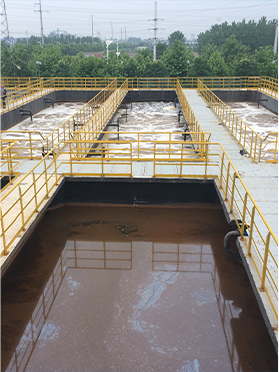
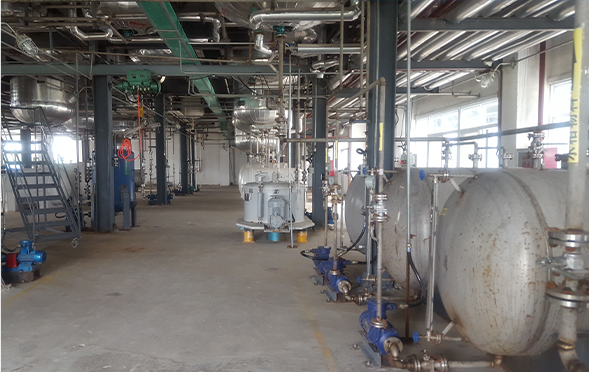
Manufacturing Facilities
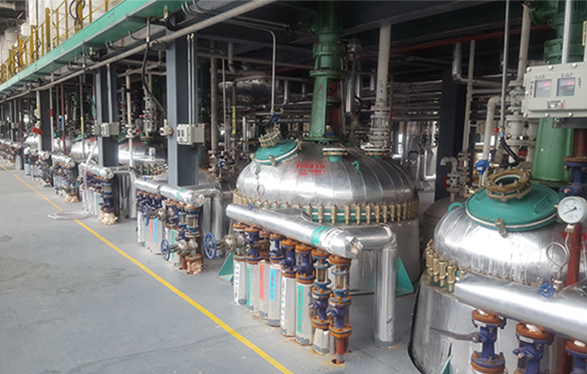
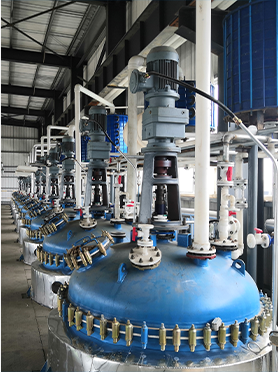
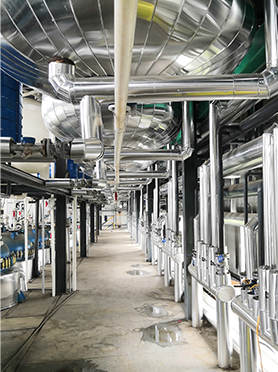
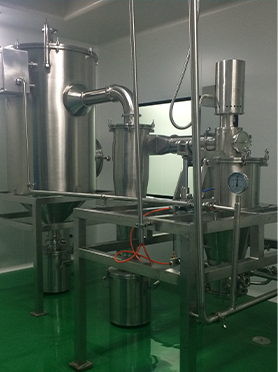
Professional Export Experience
to Global Customers
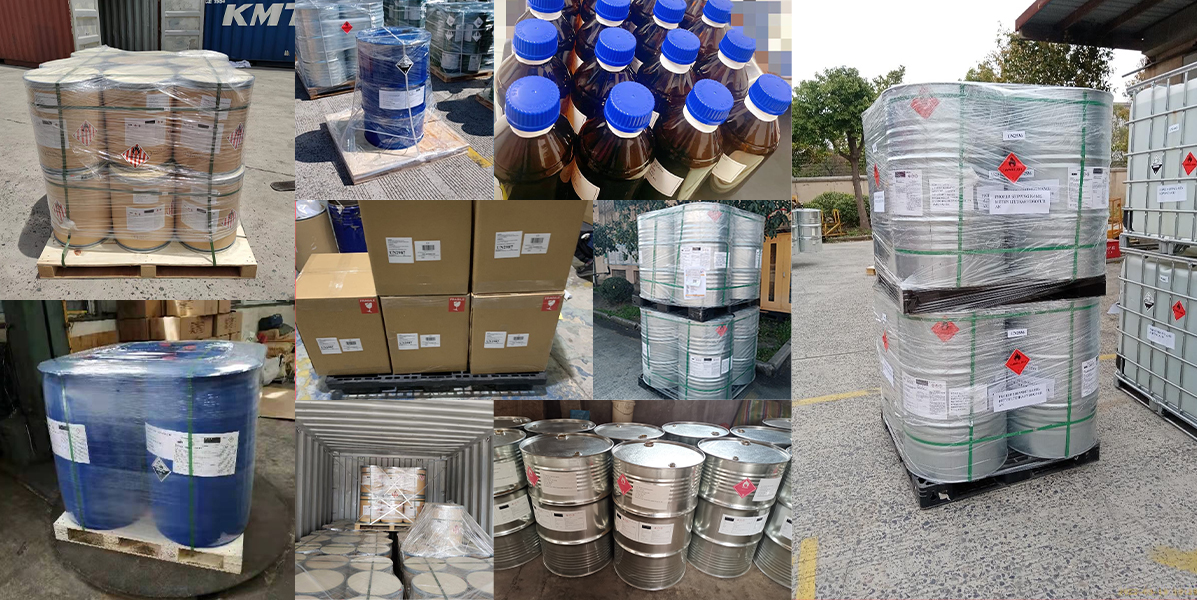
1. 20 years of R&D, manufacturing and sales experience, serving customers in 60 countries and regions around the world;
2. Own R&D laboratory, pilot platform and large-scale production workshop, which can meet the audit requirements of global customers;
3. We can satisfy customers' perfect transition from small scale lab requirements (gram level) to commercialization requirements (hundred tons level).
A: We don't have Minimum Order Quantity, exact quantity should be provided before quotation for us to calculate the exact cost.
A: We don't provide free samples due to lots of request and expensive international courier's cost, we can deduct the sample charge after commercial order placed.
A: Our payment terms: Small or sample order: T/T IN ADVANCE. Commercial order: First order should be by T/T IN ADVANCE or L/C at sight, and following orders T/T 30~90days is acceptable subject to approval of credit application.