
Custom Manufacturing, Project Outsourcing, your Trusted Partner from China
For businesses in the textile industry, the choice of fabric softener can significantly impact the final product's quality, feel, and market appeal. As a key player in sourcing high-performance textile auxiliaries, understanding the nuances of different softeners is crucial. This article aims to guide purchasing managers and formulators in selecting the most appropriate textile softener, focusing on performance, application suitability, and the benefits of sourcing from reputable manufacturers.
The primary function of a textile softener is to impart a pleasant feel to fabrics, making them softer, smoother, and more comfortable against the skin. However, the modern textile market demands more than just basic softness. Factors like colorfastness, non-yellowing properties, and environmental compliance are increasingly important. This is where specialized softeners, such as our non-yellowing softener flake, come into play.
Understanding Softener Types and Their Applications
Broadly, textile softeners can be categorized based on their ionic nature: cationic, anionic, nonionic, and amphoteric. Cationic softeners are the most common, providing excellent softening and antistatic effects due to their positive charge that adheres to negatively charged fabric fibers. However, they can sometimes lead to yellowing, especially on white fabrics under certain conditions.
Anionic softeners are generally used as secondary softeners or in specific applications where compatibility with other chemicals is a concern. Nonionic softeners, like the one we offer, are known for their good compatibility with other textile auxiliaries and their lower tendency to cause yellowing. This makes them an excellent choice for applications demanding high whiteness retention, such as finishing white or light-colored fabrics.
The Importance of Non-Yellowing Properties
For textile manufacturers aiming for premium quality, particularly for white goods, sportswear, or high-fashion items, the issue of yellowing is a significant concern. Traditional softeners, especially those with high cationic content, can sometimes cause fabrics to develop a yellowish tinge over time or when exposed to heat or UV light. Our non-yellowing softener flake is specifically engineered to mitigate this problem. Its unique formulation ensures that fabrics retain their original brightness and whiteness, providing a superior aesthetic finish that buyers value. When you are looking to buy this specialized product, consider the long-term benefits it offers in preventing costly reworks or customer complaints.
Key Considerations When Purchasing Softeners
When you, as a purchasing manager, evaluate textile softeners, consider these critical factors:
Sourcing Your Textile Softener Effectively
When searching for a textile softener supplier, prioritize manufacturers who can provide detailed technical data, certifications, and responsive customer support. Engaging directly with a manufacturer often leads to better pricing and a deeper understanding of the product's capabilities. If you are looking to purchase textile auxiliary agents or inquire about softener flake prices, contacting established suppliers in China offers a direct route to obtaining high-quality materials cost-effectively.
In conclusion, selecting the right textile softener involves a careful evaluation of performance, application, and compliance. By understanding the properties of different softener types and prioritizing suppliers committed to quality and sustainability, businesses can enhance their product offerings and strengthen their market position. We invite you to explore our range of premium textile auxiliaries and discover how our non-yellowing softener flake can elevate your fabric finishing processes.
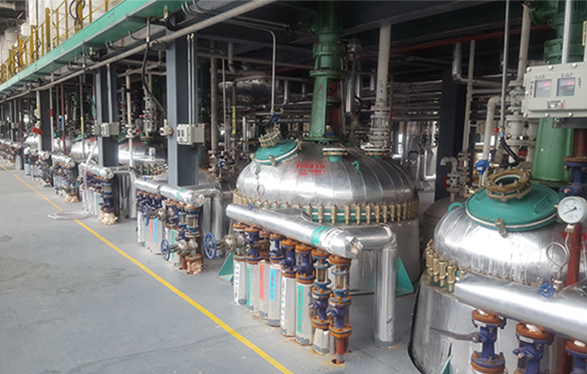
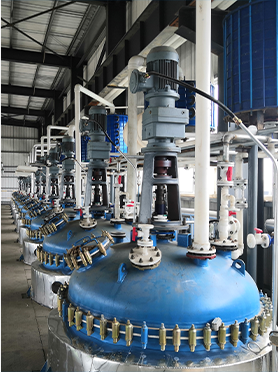
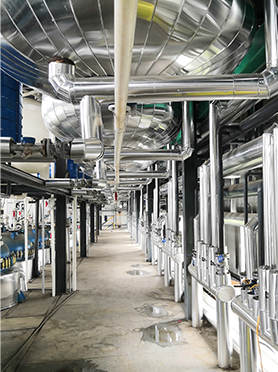
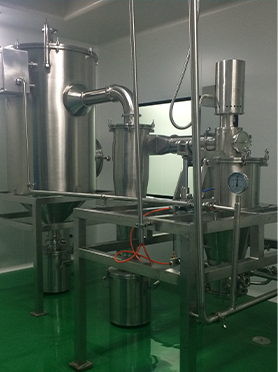
Manufacturing Facilities
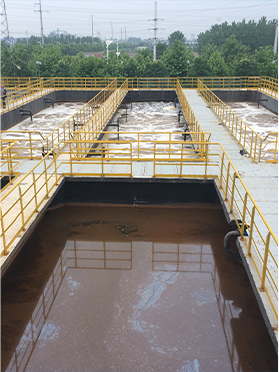
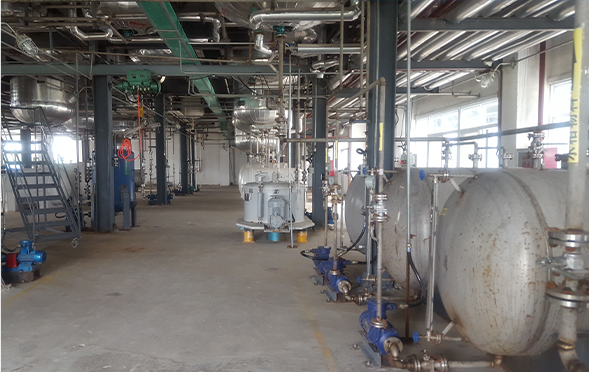
Professional Export Experience
to Global Customers
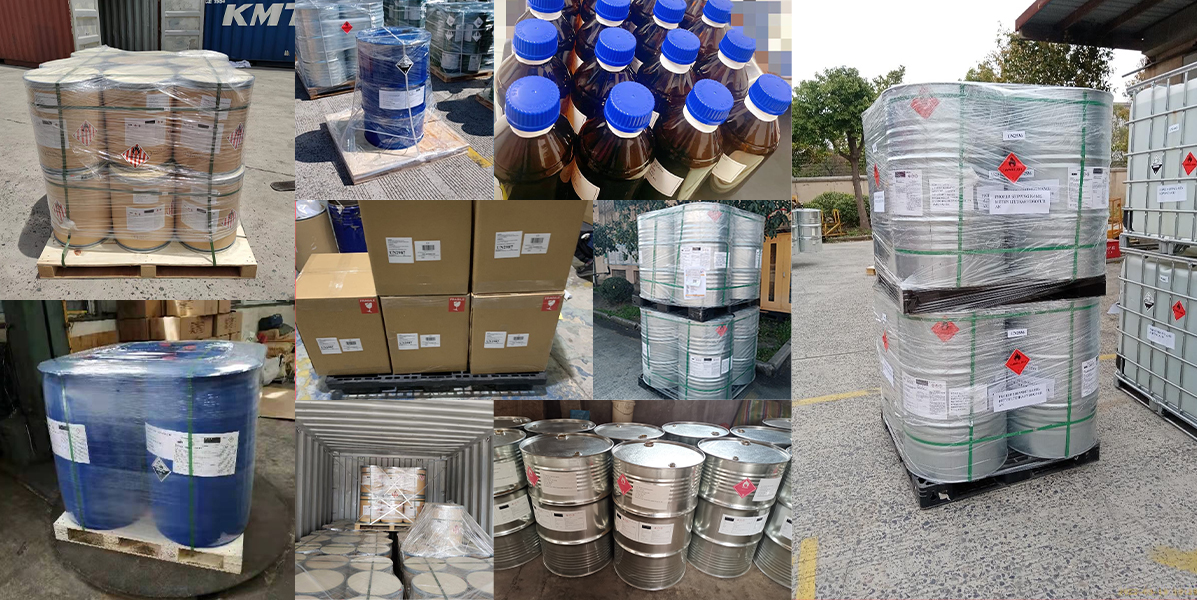
1. 20 years of R&D, manufacturing and sales experience, serving customers in 60 countries and regions around the world;
2. Own R&D laboratory, pilot platform and large-scale production workshop, which can meet the audit requirements of global customers;
3. We can satisfy customers' perfect transition from small scale lab requirements (gram level) to commercialization requirements (hundred tons level).
A: We don't have Minimum Order Quantity, exact quantity should be provided before quotation for us to calculate the exact cost.
A: We don't provide free samples due to lots of request and expensive international courier's cost, we can deduct the sample charge after commercial order placed.
A: Our payment terms: Small or sample order: T/T IN ADVANCE. Commercial order: First order should be by T/T IN ADVANCE or L/C at sight, and following orders T/T 30~90days is acceptable subject to approval of credit application.