
Custom Manufacturing, Project Outsourcing, your Trusted Partner from China
The performance of advanced polymers, particularly polyimides, is heavily dictated by the structural characteristics of their constituent monomers. Dianhydrides are a critical class of monomers, and subtle differences in their molecular architecture lead to significant variations in polymer properties. This article compares Ethyne-1,2-diyl)diphthalic Anhydride (CAS 129808-00-0) with other common dianhydrides, such as 6FDA and BPADA, to illustrate its unique advantages for high-performance applications.
Ethyne-1,2-diyl)diphthalic Anhydride is distinguished by its rigid ethyne bridge connecting two phthalic anhydride units. This structural feature results in polyimides with exceptional thermal stability, often characterized by very high glass transition temperatures (Tg) and decomposition temperatures (Td). For instance, polyimides derived from this monomer can exhibit Tgs well above 350°C, making them suitable for extreme thermal environments where other polymers would fail. This makes it a preferred choice for applications requiring ultimate heat resistance, and procurement managers often seek out this specific chemical intermediate for such demanding projects.
In comparison, 4,4′-(Hexafluoroisopropylidene)diphthalic Anhydride (6FDA) is known for incorporating bulky trifluoromethyl groups. These groups disrupt polymer chain packing, leading to increased free volume and consequently higher gas permeability and solubility in organic solvents. While advantageous for gas separation membranes and easier processing, 6FDA-based polyimides may not match the thermal stability of Ethyne-1,2-diyl)diphthalic Anhydride.
Similarly, 4,4′-(4,4′-Isopropylidenediphenoxy)bis(phthalic anhydride) (BPADA) features a more flexible structure with isopropylidene and ether linkages. This flexibility enhances solubility and processability, allowing for the creation of thermoplastic polyimides. However, this increased flexibility generally results in lower thermal stability compared to polymers made with the rigid ethyne-linked dianhydride. While BPADA is excellent for many applications, it may not meet the stringent thermal requirements where Ethyne-1,2-diyl)diphthalic Anhydride truly shines.
The applications where Ethyne-1,2-diyl)diphthalic Anhydride-based polyimides excel include high-temperature insulation films for electronics and robust materials for medical devices like catheters. Its inherent rigidity contributes to superior mechanical strength, crucial for durability under stress. For companies looking to buy this advanced monomer, understanding these comparative advantages helps in making informed decisions. Sourcing from reliable manufacturers, particularly those in China with expertise in specialty chemicals like CAS 129808-00-0, is key to obtaining materials that meet precise performance needs.
In conclusion, while various dianhydrides offer unique properties, Ethyne-1,2-diyl)diphthalic Anhydride stands out for delivering unparalleled thermal stability and mechanical robustness, primarily due to its rigid ethyne bridge. For applications where these characteristics are paramount, it remains the monomer of choice. Procurement and R&D professionals seeking to maximize material performance should consider its distinct advantages and partner with trusted chemical suppliers.
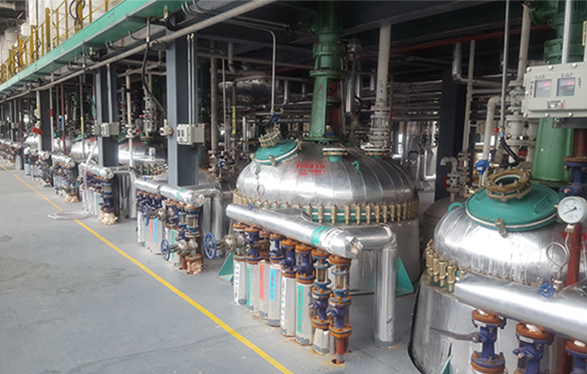
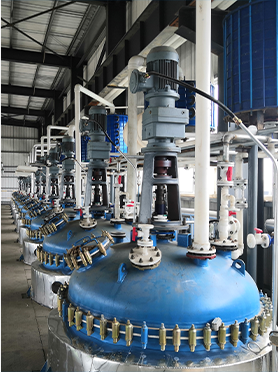
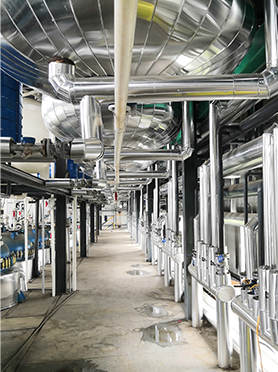
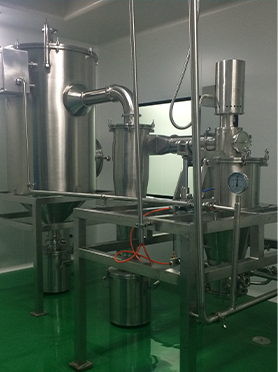
Manufacturing Facilities
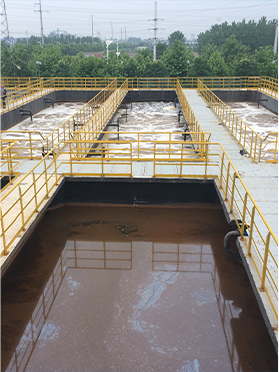
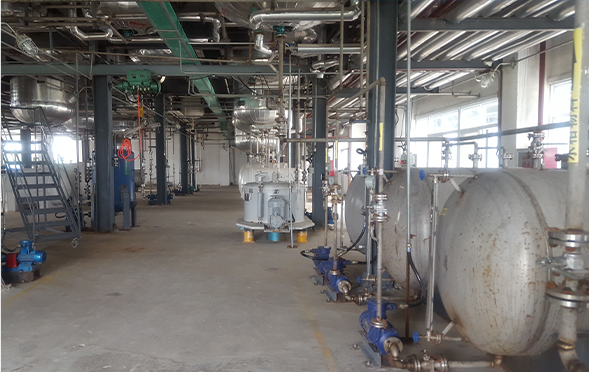
Professional Export Experience
to Global Customers
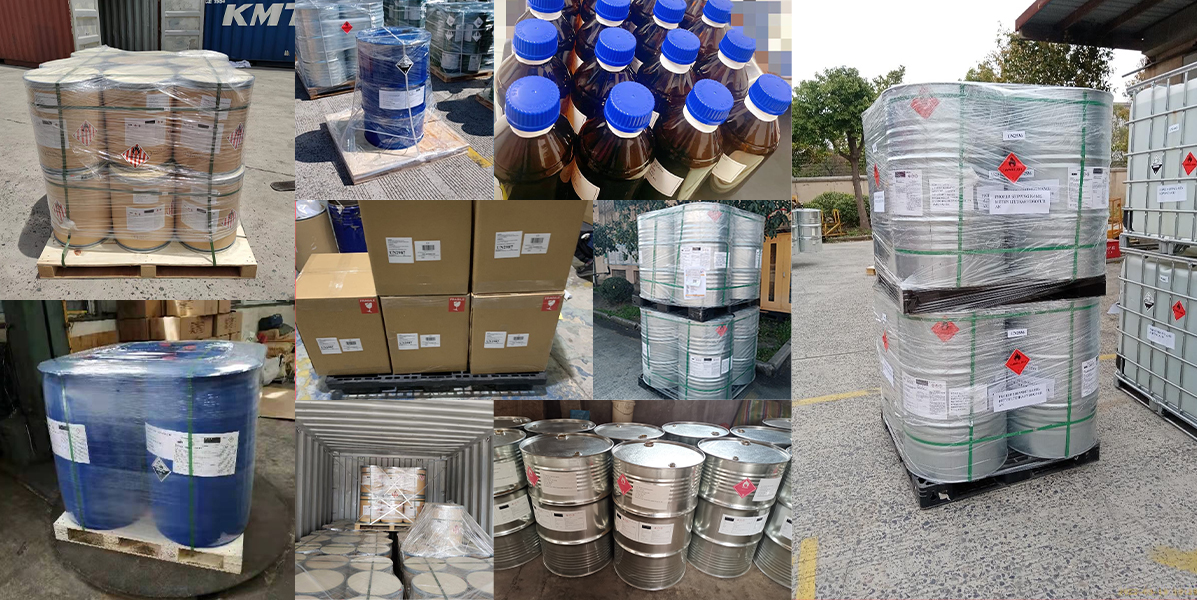
1. 20 years of R&D, manufacturing and sales experience, serving customers in 60 countries and regions around the world;
2. Own R&D laboratory, pilot platform and large-scale production workshop, which can meet the audit requirements of global customers;
3. We can satisfy customers' perfect transition from small scale lab requirements (gram level) to commercialization requirements (hundred tons level).
A: We don't have Minimum Order Quantity, exact quantity should be provided before quotation for us to calculate the exact cost.
A: We don't provide free samples due to lots of request and expensive international courier's cost, we can deduct the sample charge after commercial order placed.
A: Our payment terms: Small or sample order: T/T IN ADVANCE. Commercial order: First order should be by T/T IN ADVANCE or L/C at sight, and following orders T/T 30~90days is acceptable subject to approval of credit application.