
Custom Manufacturing, Project Outsourcing, your Trusted Partner from China
In the intricate process of textile finishing, the choice of softener significantly influences the final fabric quality. While cationic, anionic, and nonionic softeners all serve the purpose of softening, they differ in their chemical properties and performance characteristics. This article explores why Nonionic Softener Flakes are increasingly favored in modern textile manufacturing, offering a balanced and effective solution for achieving superior fabric finishes. For businesses seeking advanced textile solutions, understanding these differences is key to making informed purchasing decisions.
Cationic Softeners: The Traditional Choice
Cationic softeners, named for their positive electrical charge, have long been the go-to for imparting a soft and fluffy feel to fabrics. Their positive ions are attracted to the negatively charged fabric fibers, creating a lubricating layer that reduces friction. They are particularly effective on cotton and other cellulosic fibers. However, cationic softeners can pose challenges: they may cause yellowing on whites and light shades, can reduce fabric absorbency, and may exhibit poor compatibility with anionic substances. This can limit their use in complex finishing processes where multiple chemicals are involved.
Anionic Softeners: Niche Applications
Anionic softeners, carrying a negative charge, are less frequently used purely for softening due to their lower affinity for most fabric fibers compared to cationic softeners. Instead, they are often employed when specific properties like improved antistatic behavior or enhanced wettability are required, particularly for synthetic fabrics. Their application scope for general softening is more limited.
Nonionic Softener Flakes: The Modern Standard
Nonionic Softener Flakes stand out due to their neutral charge. This fundamental difference offers several critical advantages:
Why Manufacturers Prefer Nonionic Flakes
The advantages of Nonionic Softener Flakes translate directly into benefits for textile manufacturers and their customers. For procurement managers, sourcing a single, versatile softener that works across most applications simplifies inventory and reduces the risk of chemical incompatibility. The low yellowing property minimizes costly reprocessing or rejection of fabrics. As a reliable nonionic softener flakes manufacturer, we aim to provide solutions that enhance your product quality and operational efficiency.
Conclusion
While cationic softeners have a long history of use, the superior compatibility, low yellowing, and balanced performance of Nonionic Softener Flakes position them as the preferred choice for contemporary textile finishing. For manufacturers aiming to achieve premium fabric quality, consistency, and versatility in their finishing processes, investing in high-quality Nonionic Softener Flakes is a strategic decision. We offer these advanced solutions, backed by our commitment to quality and customer satisfaction, making us your ideal partner for textile chemical needs.
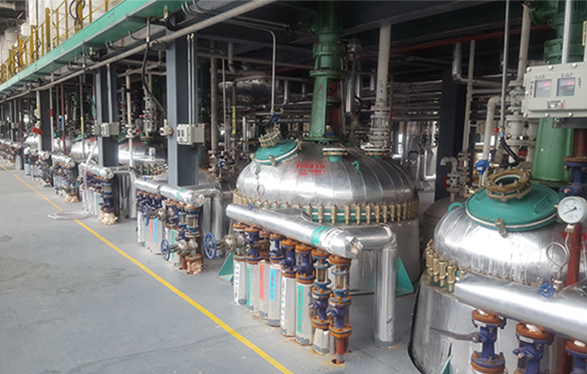
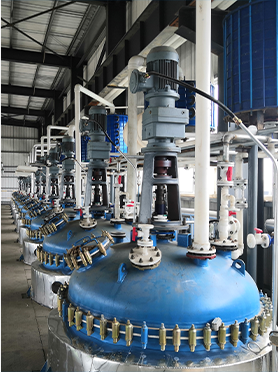
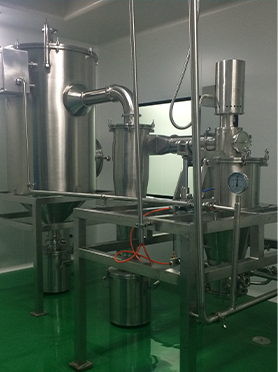
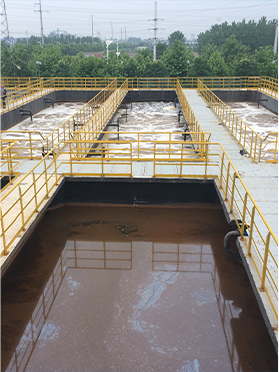
Manufacturing Facilities


Professional Export Experience
to Global Customers
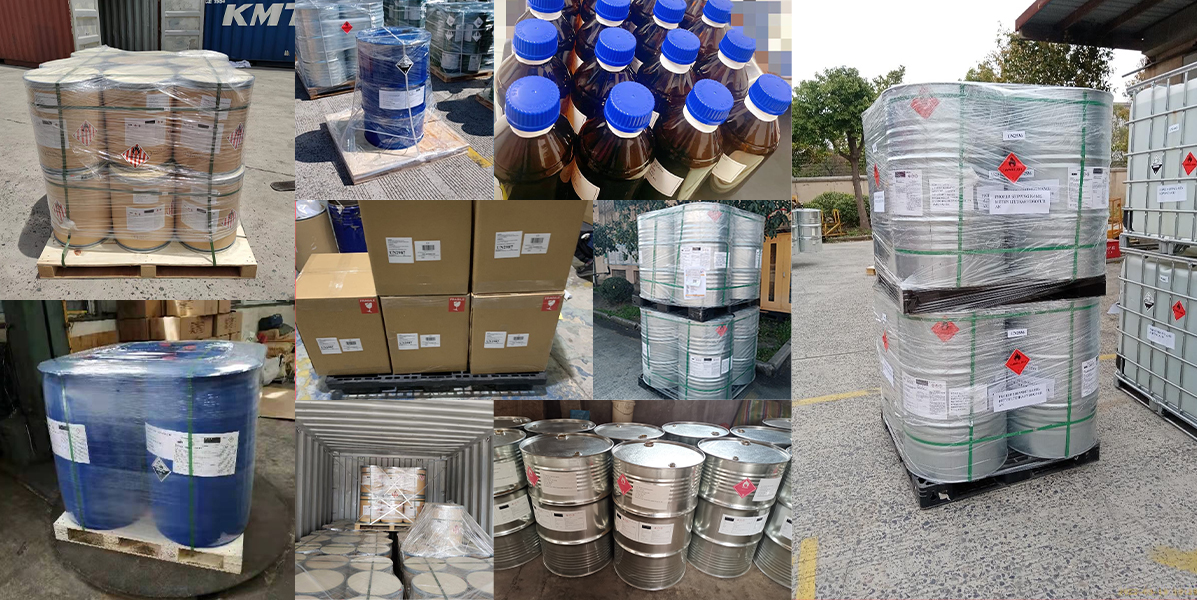
1. 20 years of R&D, manufacturing and sales experience, serving customers in 60 countries and regions around the world;
2. Own R&D laboratory, pilot platform and large-scale production workshop, which can meet the audit requirements of global customers;
3. We can satisfy customers' perfect transition from small scale lab requirements (gram level) to commercialization requirements (hundred tons level).
A: We don't have Minimum Order Quantity, exact quantity should be provided before quotation for us to calculate the exact cost.
A: We don't provide free samples due to lots of request and expensive international courier's cost, we can deduct the sample charge after commercial order placed.
A: Our payment terms: Small or sample order: T/T IN ADVANCE. Commercial order: First order should be by T/T IN ADVANCE or L/C at sight, and following orders T/T 30~90days is acceptable subject to approval of credit application.