
Custom Manufacturing, Project Outsourcing, your Trusted Partner from China
Polyvinyl Chloride (PVC) is one of the most versatile polymers in use today, found in countless applications ranging from rigid pipes and window profiles to flexible cables and medical devices. However, PVC is inherently unstable when exposed to heat and UV radiation, making the use of stabilizers essential for its processing and end-use performance. The choice of stabilizer significantly impacts the final product’s properties, processing behavior, cost, and regulatory compliance. For PVC formulators, understanding the distinct characteristics of different stabilizer types—primarily lead, tin, and calcium-zinc—is crucial for making informed decisions. This guide offers a comparative overview to help formulators select the most appropriate stabilizer, whether they are working with standard PVC or specific applications like transparent PVC or require materials for transparent PVC hose manufacturing.
1. Lead Stabilizers: The Traditional Workhorses
Lead-based stabilizers, such as basic lead sulfate and dibasic lead phosphite, have been used for decades due to their excellent heat stability, weatherability, and electrical insulation properties. They are particularly favored in rigid PVC applications like pipes and profiles.
2. Tin Stabilizers: High Performance for Demanding Applications
Tin stabilizers, typically organotin compounds like methyl tin mercaptides and butyl tin mercaptides, are known for their superior performance, especially in terms of heat stability and clarity. They are often the preferred choice for applications demanding the highest levels of thermal stability and excellent transparency, such as clear films, sheets, and medical devices.
3. Calcium Zinc (Ca/Zn) Stabilizers: The Sustainable and Versatile Choice
Calcium Zinc stabilizers are a modern, non-toxic alternative that has gained widespread acceptance. They are typically formulated as composite systems of calcium and zinc stearates, often combined with organic co-stabilizers and lubricants. Ca/Zn stabilizers are highly favored for their environmental friendliness and safety profile.
“We’ve significantly improved the sustainability profile of our transparent PVC products by switching to Ca/Zn stabilizers, sourced from a reputable calcium zinc stabilizer manufacturer,” states a formulator.
Making the Right Choice: A Formulator's Decision Guide
When selecting a PVC stabilizer, formulators should consider the following:
As a leading PVC stabilizer manufacturer, we offer a comprehensive portfolio of stabilizers, including high-performance Ca/Zn stabilizers that are perfect for transparent applications and meet stringent safety standards. If you are looking for a reliable calcium zinc stabilizer quote or need assistance in selecting the best stabilizer for your formulation, our expert team is ready to help you navigate these choices and optimize your product development.
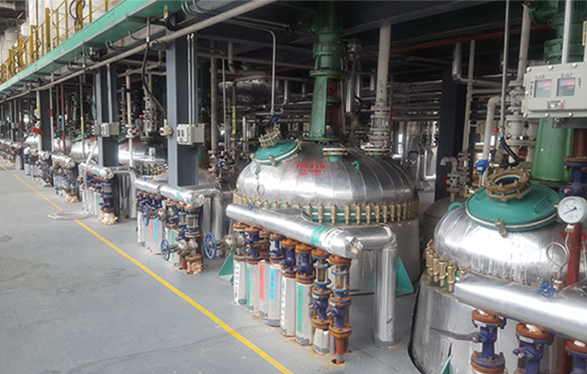
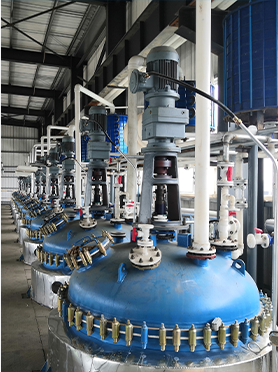
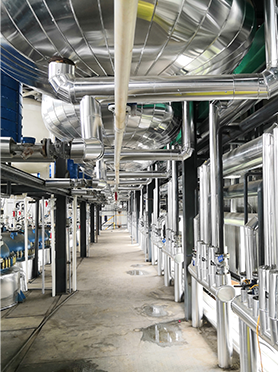
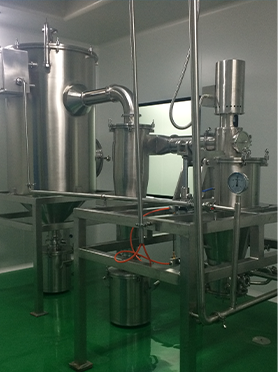
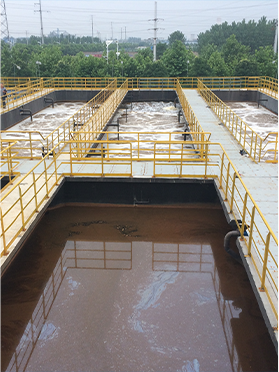
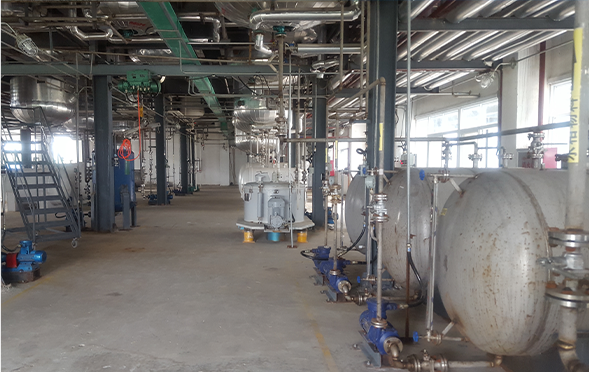
Manufacturing Facilities
Professional Export Experience
to Global Customers
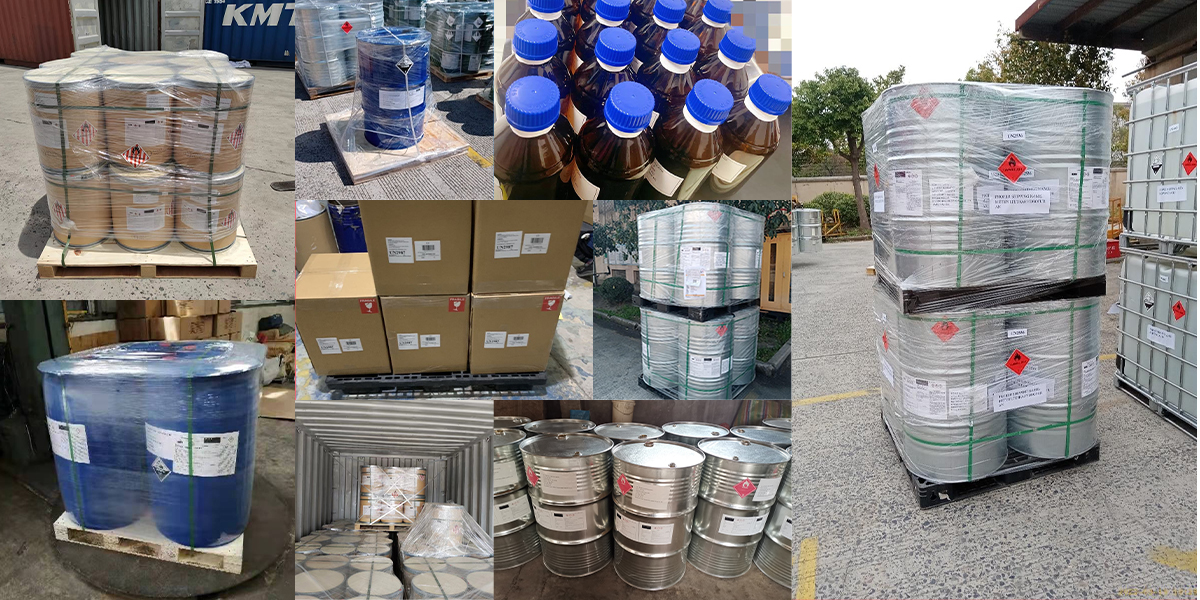
1. 20 years of R&D, manufacturing and sales experience, serving customers in 60 countries and regions around the world;
2. Own R&D laboratory, pilot platform and large-scale production workshop, which can meet the audit requirements of global customers;
3. We can satisfy customers' perfect transition from small scale lab requirements (gram level) to commercialization requirements (hundred tons level).
A: We don't have Minimum Order Quantity, exact quantity should be provided before quotation for us to calculate the exact cost.
A: We don't provide free samples due to lots of request and expensive international courier's cost, we can deduct the sample charge after commercial order placed.
A: Our payment terms: Small or sample order: T/T IN ADVANCE. Commercial order: First order should be by T/T IN ADVANCE or L/C at sight, and following orders T/T 30~90days is acceptable subject to approval of credit application.