
Custom Manufacturing, Project Outsourcing, your Trusted Partner from China
In today's competitive business environment, optimizing procurement costs without compromising on quality is a constant challenge for B2B buyers. This is especially true in industries that rely heavily on chemical raw materials and intermediates. For companies looking to acquire compounds like Dimethylquinolino[2,3-b]acridine-7,14-dione (CAS 19205-19-7), implementing smart procurement strategies can lead to significant cost savings and operational efficiencies.
The first and often most impactful strategy is direct sourcing from manufacturers. When you buy directly from a chemical producer, you bypass multiple layers of intermediaries, which typically adds to the final cost. This approach is particularly effective when dealing with the vast chemical manufacturing landscape in regions like China, where many companies offer competitive prices due to economies of scale and optimized production processes. Identifying reputable Chinese manufacturers for specific intermediates such as Dimethylquinolino[2,3-b]acridine-7,14-dione can unlock substantial savings.
Secondly, strategic volume purchasing can significantly reduce per-unit costs. Negotiating bulk purchase agreements with your chosen supplier can lead to volume discounts. This requires careful forecasting of your needs and a stable demand for the chemical. For example, securing a long-term contract for Dimethylquinolino[2,3-b]acridine-7,14-dione with a trusted supplier can lock in favorable pricing and ensure supply stability.
Another key strategy is exploring product specifications. While high purity is often essential, understanding the *required* purity for your specific application is critical. Over-specifying can lead to unnecessary costs. For instance, if a particular synthesis step does not require 99%+ purity, opting for a slightly lower, more cost-effective grade (e.g., 97%+) from a reliable manufacturer can reduce expenses without impacting performance. Always consult with your R&D team to determine the optimal purity specifications.
Furthermore, building strong relationships with suppliers can foster better negotiation leverage and transparency. A long-term partnership with a reputable chemical company often leads to better service, more responsive communication, and potentially exclusive pricing or early access to new products. When engaging with suppliers, asking for free samples for testing and comparing multiple quotes from different manufacturers are standard yet effective practices for ensuring you get the best value.
In summary, cost-effective chemical procurement involves a multi-faceted approach. By prioritizing direct sourcing, strategic volume purchasing, precise specification management, and cultivating robust supplier relationships, B2B buyers can significantly reduce their chemical expenditure. This allows for greater investment in innovation and a stronger competitive position in the market.
Manufacturing Facilities
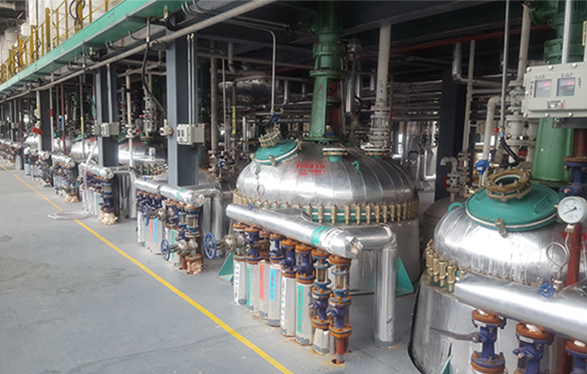
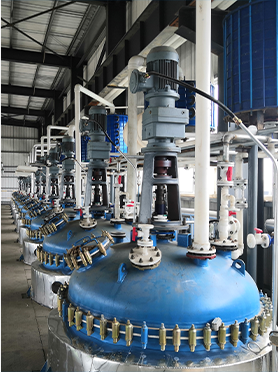
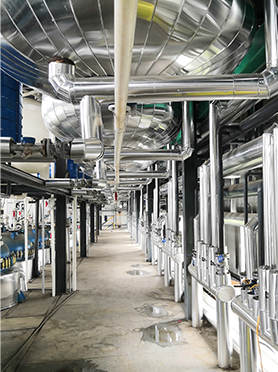
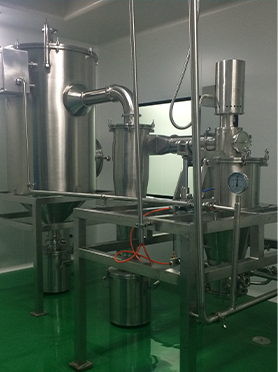
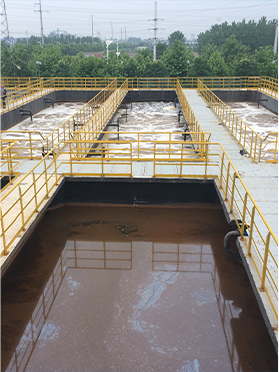
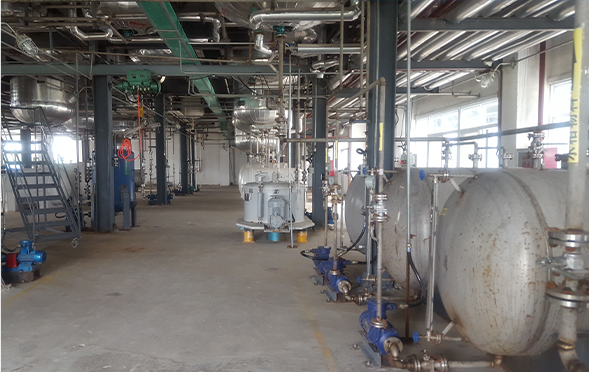
Professional Export Experience
to Global Customers
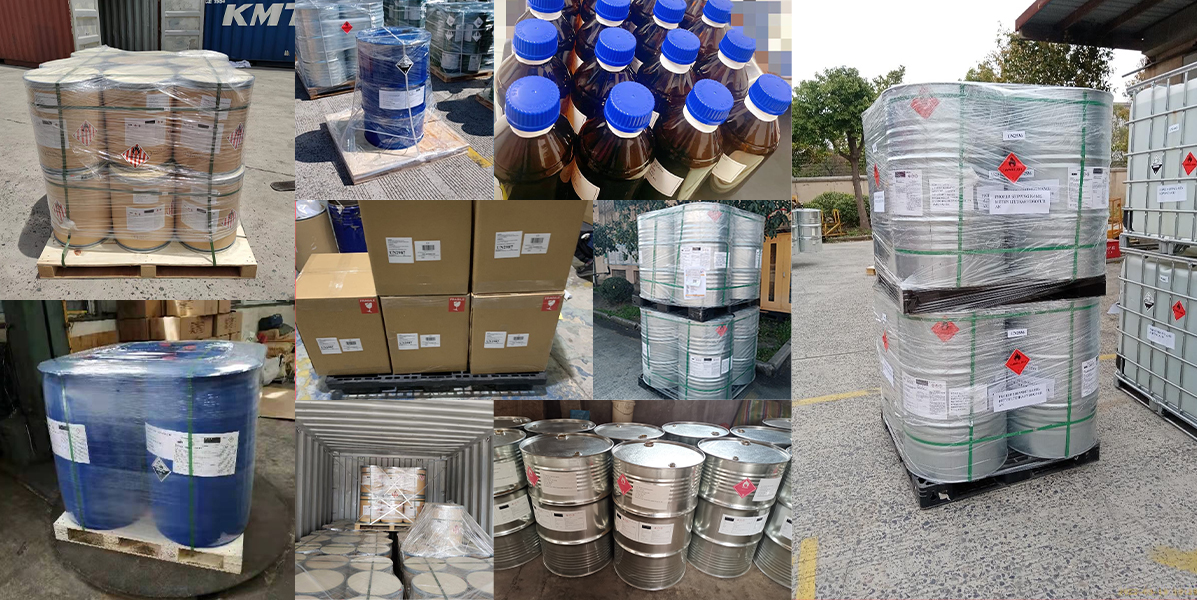
1. 20 years of R&D, manufacturing and sales experience, serving customers in 60 countries and regions around the world;
2. Own R&D laboratory, pilot platform and large-scale production workshop, which can meet the audit requirements of global customers;
3. We can satisfy customers' perfect transition from small scale lab requirements (gram level) to commercialization requirements (hundred tons level).
A: We don't have Minimum Order Quantity, exact quantity should be provided before quotation for us to calculate the exact cost.
A: We don't provide free samples due to lots of request and expensive international courier's cost, we can deduct the sample charge after commercial order placed.
A: Our payment terms: Small or sample order: T/T IN ADVANCE. Commercial order: First order should be by T/T IN ADVANCE or L/C at sight, and following orders T/T 30~90days is acceptable subject to approval of credit application.