
Custom Manufacturing, Project Outsourcing, your Trusted Partner from China
In the world of PVC compounding, impact modifiers play a pivotal role in enhancing the mechanical properties of rigid and flexible PVC products. Among the most common choices are Chlorinated Polyethylene (CPE) and Acrylic Impact Modifiers (AIM). Both offer significant improvements, but they differ in their performance characteristics, processing behavior, and suitability for specific applications. As a prominent supplier of advanced polymer additives, we aim to provide clarity on these differences to help manufacturers make informed decisions. Understanding these distinctions is key to selecting the most cost-effective and performance-driven solution for your PVC formulations.
Understanding Impact Modifiers: The Basics
Impact modifiers are elastomeric materials that are blended with brittle polymers like PVC. They work by creating a toughened phase within the polymer matrix, which absorbs and dissipates impact energy, thereby preventing crack propagation. The effectiveness of an impact modifier depends on its compatibility with the base polymer, particle morphology, and glass transition temperature (Tg).
Chlorinated Polyethylene (CPE) for PVC
CPE is a versatile polymer additive derived from chlorinated HDPE. It offers a good balance of properties, making it a popular choice as both an impact modifier and a processing aid for PVC. Key advantages of CPE include:
However, CPE typically has a lower Tg (around 16°C) than the core of many acrylic impact modifiers, which can sometimes lead to a slight reduction in the overall heat distortion temperature of the PVC compound. While it offers good overall processability, some processors find certain acrylics easier to handle in very specific high-speed extrusion processes.
Acrylic Impact Modifiers (AIM) for PVC
Acrylic Impact Modifiers are typically core-shell structures, with a soft rubbery core (often based on butyl acrylate) and a hard acrylic shell. These offer:
The primary drawback of AIMs can be their higher cost compared to CPE, and some formulations might not offer the same inherent flame retardancy as CPE.
Making the Right Choice: CPE vs. AIM
The decision between CPE and AIM often depends on the specific application requirements:
As a leading supplier of PVC additives, we offer both high-quality CPE and various acrylic impact modifiers. We understand that selecting the right additive is crucial for your product's success. Contact us today to discuss your specific PVC formulation needs and to get a quote for the best impact modifier. We are here to help you find the optimal solution to enhance your PVC products.
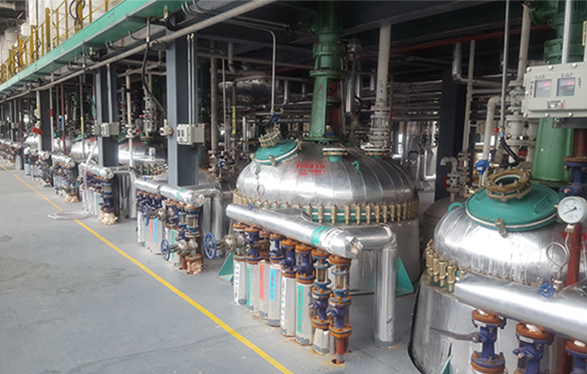
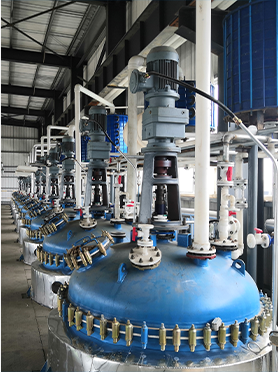
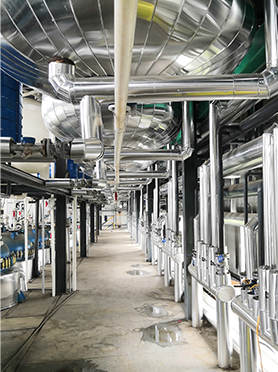
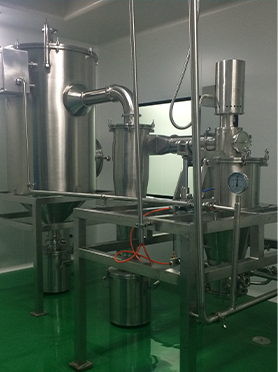
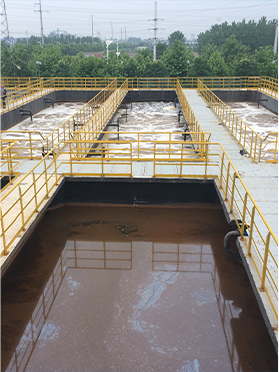
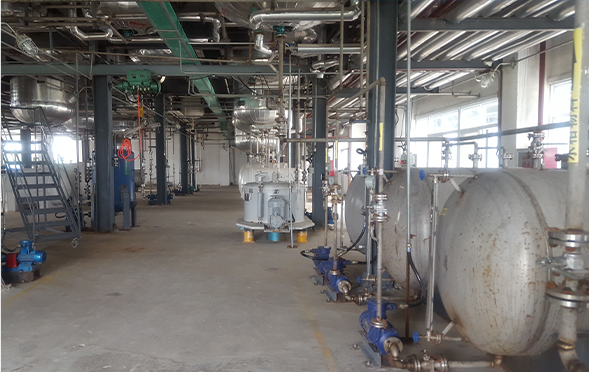
Manufacturing Facilities
Professional Export Experience
to Global Customers
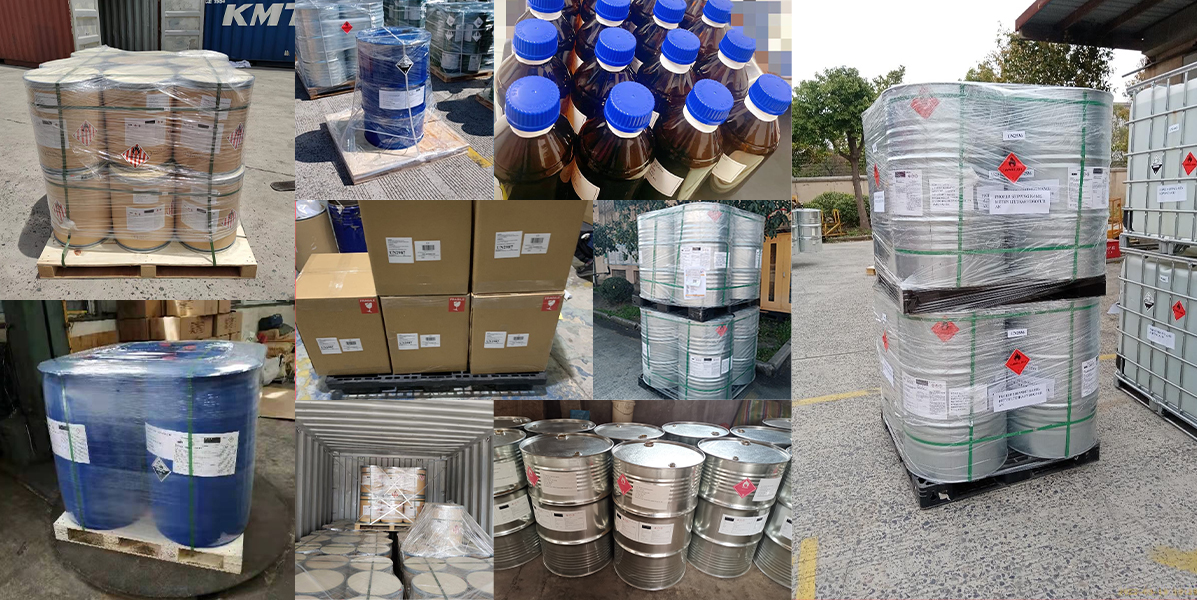
1. 20 years of R&D, manufacturing and sales experience, serving customers in 60 countries and regions around the world;
2. Own R&D laboratory, pilot platform and large-scale production workshop, which can meet the audit requirements of global customers;
3. We can satisfy customers' perfect transition from small scale lab requirements (gram level) to commercialization requirements (hundred tons level).
A: We don't have Minimum Order Quantity, exact quantity should be provided before quotation for us to calculate the exact cost.
A: We don't provide free samples due to lots of request and expensive international courier's cost, we can deduct the sample charge after commercial order placed.
A: Our payment terms: Small or sample order: T/T IN ADVANCE. Commercial order: First order should be by T/T IN ADVANCE or L/C at sight, and following orders T/T 30~90days is acceptable subject to approval of credit application.