
Custom Manufacturing, Project Outsourcing, your Trusted Partner from China
The field of organic synthesis is constantly evolving, driven by the need for more efficient, selective, and sustainable chemical transformations. Palladium-catalyzed cross-coupling reactions have emerged as powerful tools for constructing complex molecular architectures. Central to the success of these reactions is the phosphine ligand, which dramatically influences catalyst activity and selectivity. This article, from a leading chemical manufacturer and supplier in China, focuses on the outstanding performance of CPhos (2-Dicyclohexylphosphino-2',6'-bis(diMethylaMino)-1,1'-biphenyl) as a catalyst ligand in cross-coupling reactions.
The Pillars of Palladium Catalysis: Ligands and Their Role
Palladium catalysis is widely employed in reactions like Suzuki-Miyaura coupling, Negishi coupling, Heck reaction, and Buchwald-Hartwig amination. The phosphine ligand coordinated to the palladium center dictates the catalyst's stability, reactivity, and selectivity. It influences key steps in the catalytic cycle, including oxidative addition, transmetalation, and reductive elimination. A well-designed ligand can enable the coupling of challenging substrates, improve reaction rates, and minimize side product formation.
CPhos: A Ligand Engineered for Performance
CPhos stands out as a particularly effective ligand due to its sophisticated molecular design. Its benefits for cross-coupling reactions include:
Why Buy CPhos from a Leading China Manufacturer?
As a dedicated manufacturer and supplier of CPhos in China, we understand the critical importance of quality and reliability in chemical synthesis. When you choose to buy CPhos from us, you are assured of:
The Impact of CPhos on Chemical Innovation
The availability of high-performance ligands like CPhos empowers chemists to develop novel synthetic routes, create more complex molecules, and improve the sustainability of chemical processes. Its broad applicability and exceptional performance make it a valuable tool for innovation across various chemical industries.
For those seeking to enhance their cross-coupling reactions, particularly Negishi and Buchwald-Hartwig aminations, CPhos is an indispensable ligand. We invite you to contact us to learn more about our high-quality CPhos and to discuss how our products and expertise can support your chemical synthesis endeavors. Let us be your trusted partner in advancing your research and development.
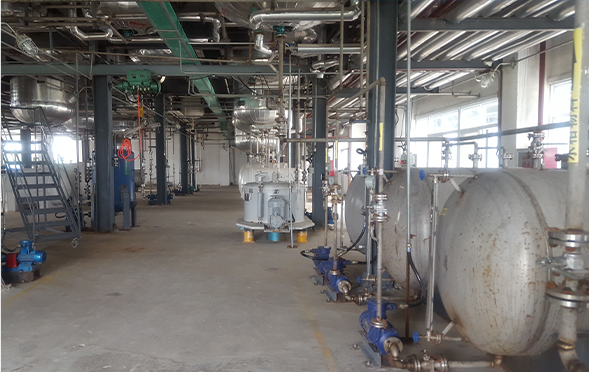
Manufacturing Facilities
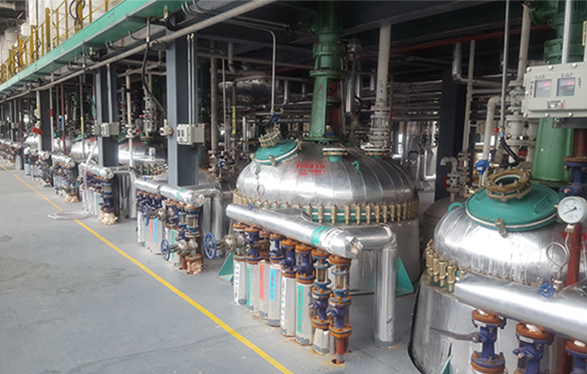
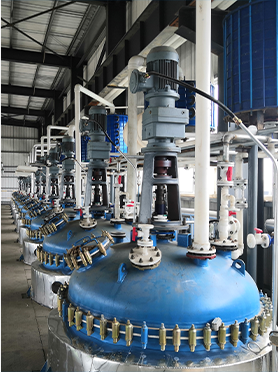

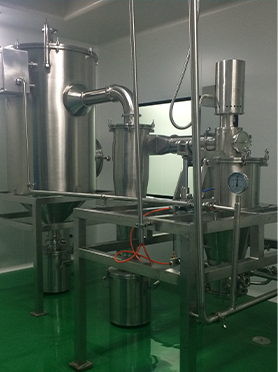
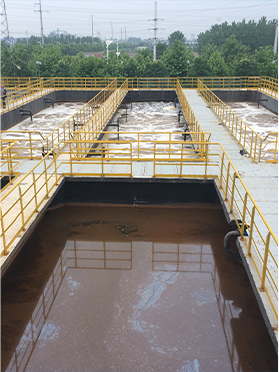
Professional Export Experience
to Global Customers
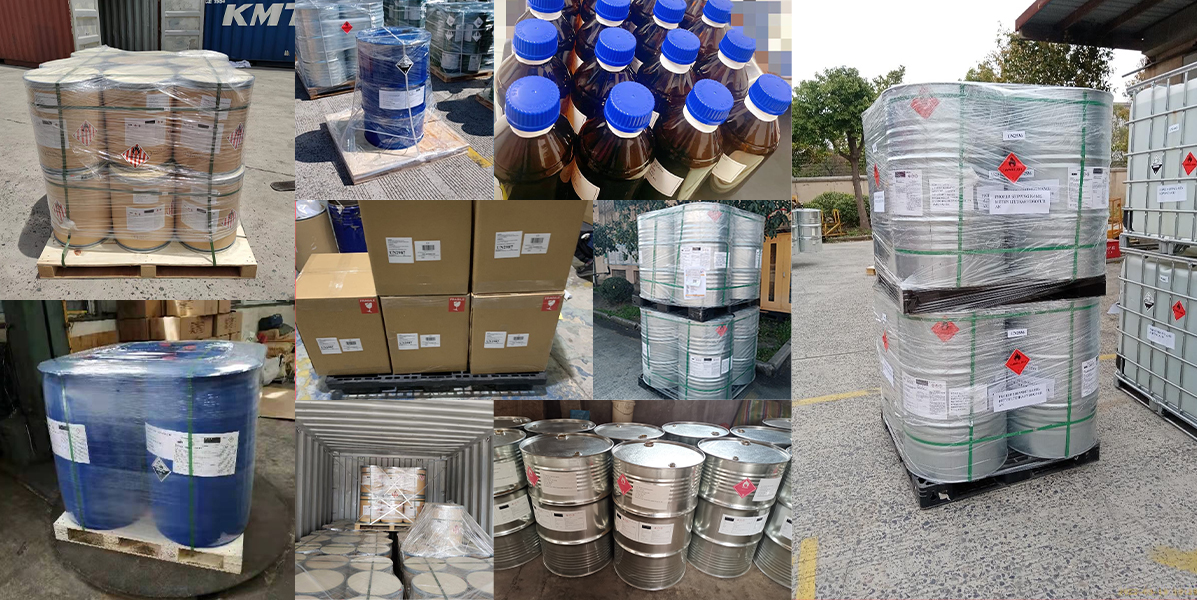
1. 20 years of R&D, manufacturing and sales experience, serving customers in 60 countries and regions around the world;
2. Own R&D laboratory, pilot platform and large-scale production workshop, which can meet the audit requirements of global customers;
3. We can satisfy customers' perfect transition from small scale lab requirements (gram level) to commercialization requirements (hundred tons level).
A: We don't have Minimum Order Quantity, exact quantity should be provided before quotation for us to calculate the exact cost.
A: We don't provide free samples due to lots of request and expensive international courier's cost, we can deduct the sample charge after commercial order placed.
A: Our payment terms: Small or sample order: T/T IN ADVANCE. Commercial order: First order should be by T/T IN ADVANCE or L/C at sight, and following orders T/T 30~90days is acceptable subject to approval of credit application.