
Custom Manufacturing, Project Outsourcing, your Trusted Partner from China
Navigating the chemical market often requires a clear understanding of related compounds that may appear similar but possess distinct properties and applications. Cuprous Chloride (CuCl) and Cupric Chloride (CuCl₂) are two such compounds, both involving copper but differing significantly in copper's oxidation state and resulting chemical behavior. As a trusted supplier of essential chemical intermediates, we aim to equip B2B professionals with the knowledge to make informed procurement decisions. If you are looking to buy either compound, understanding these differences is vital.
The fundamental distinction lies in the oxidation state of copper. Cuprous Chloride, or Copper(I) Chloride, features copper in the +1 oxidation state, while Cupric Chloride, or Copper(II) Chloride, has copper in the +2 oxidation state. This difference dictates their physical appearance, solubility, and most importantly, their reactivity and catalytic capabilities. Cuprous Chloride typically appears as a white powder, whereas anhydrous cupric chloride is yellow-brown, and hydrated forms are blue-green. This visual difference is a primary indicator of the compound's nature.
In terms of synthesis, while both can be derived from copper sources, their production routes vary. Cuprous Chloride is often synthesized by reducing cupric chloride or directly chlorinating copper. Cupric chloride, conversely, is more readily formed by direct reaction of copper with chlorine or by oxidizing cuprous chloride. As a manufacturer, we ensure distinct synthesis pathways to produce high-purity versions of each compound tailored for specific industrial needs.
The application profiles for these two chlorides also diverge. Cuprous Chloride is highly valued as a catalyst in organic synthesis, particularly for coupling reactions and as a precursor for other copper(I) compounds. Its role in pesticide formulations and metal plating is also significant. Cupric Chloride, on the other hand, is widely used as an oxidizing agent, a catalyst in certain organic reactions (like the Sandmeyer reaction), and in pigment production. Recognizing these application-specific roles helps determine which compound to purchase.
For businesses sourcing these chemicals, understanding these distinctions is key to selecting the right material for their process. A reliable supplier not only provides the product but also the technical support to ensure its proper application. We offer both Cuprous Chloride and Cupric Chloride, backed by competitive pricing and a commitment to quality, enabling you to optimize your procurement strategy.
In conclusion, while both Cuprous and Cupric Chlorides are important copper compounds, their different oxidation states lead to distinct properties and applications. Whether you require the catalytic versatility of CuCl or the oxidizing power of CuCl₂, choosing a reputable manufacturer ensures you receive the exact chemical you need. Contact us to discuss your specific requirements and to buy the appropriate copper chloride for your industrial processes.
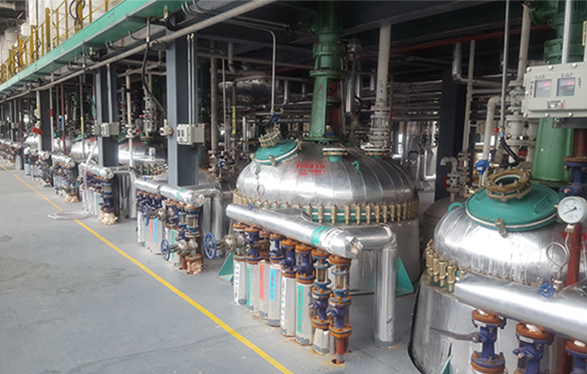
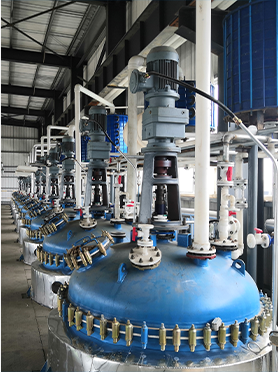
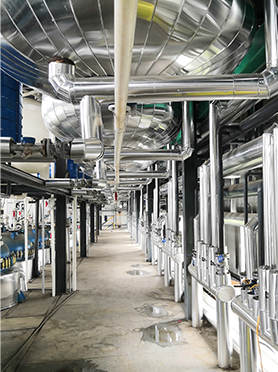
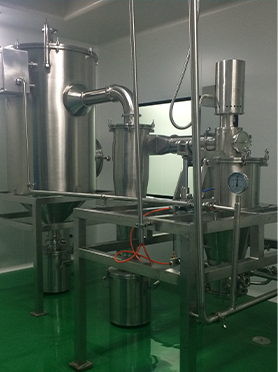
Manufacturing Facilities
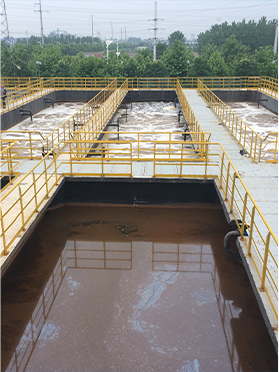
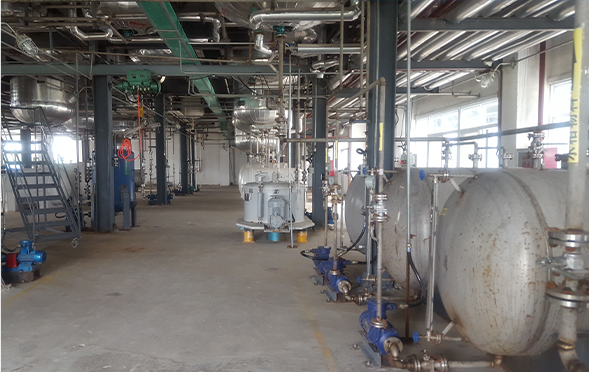
Professional Export Experience
to Global Customers
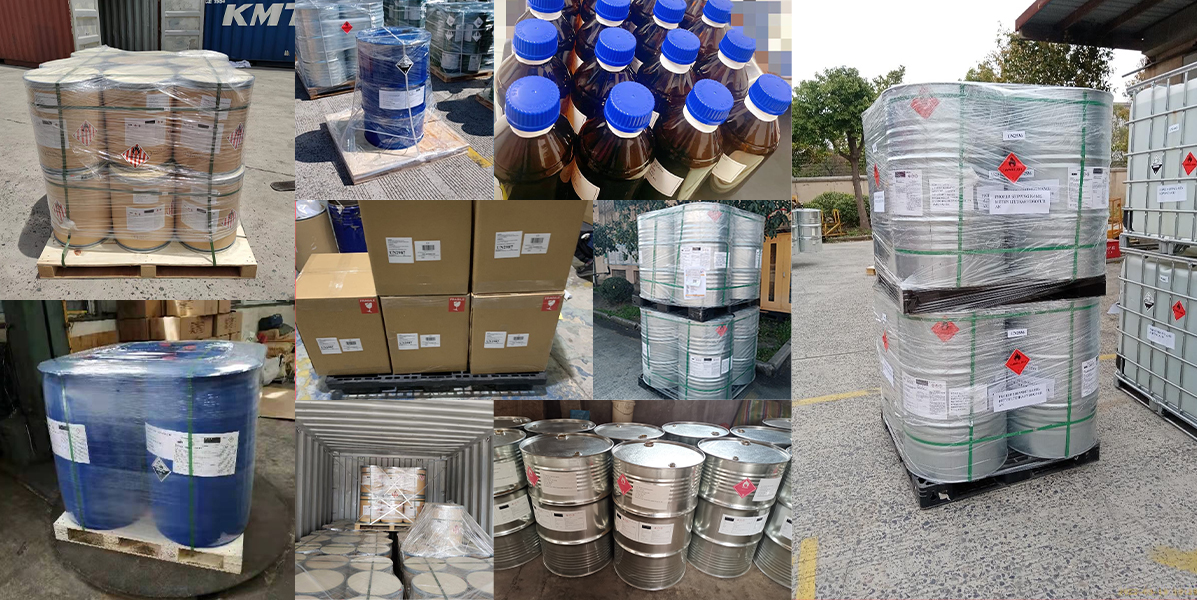
1. 20 years of R&D, manufacturing and sales experience, serving customers in 60 countries and regions around the world;
2. Own R&D laboratory, pilot platform and large-scale production workshop, which can meet the audit requirements of global customers;
3. We can satisfy customers' perfect transition from small scale lab requirements (gram level) to commercialization requirements (hundred tons level).
A: We don't have Minimum Order Quantity, exact quantity should be provided before quotation for us to calculate the exact cost.
A: We don't provide free samples due to lots of request and expensive international courier's cost, we can deduct the sample charge after commercial order placed.
A: Our payment terms: Small or sample order: T/T IN ADVANCE. Commercial order: First order should be by T/T IN ADVANCE or L/C at sight, and following orders T/T 30~90days is acceptable subject to approval of credit application.