
Custom Manufacturing, Project Outsourcing, your Trusted Partner from China
In the chemical industry, controlling polymerization processes is often as critical as initiating them. For monomers like styrene and vinyl esters, premature gelling can lead to significant processing issues, material loss, and safety hazards. Diallyl Phthalate (DAP) monomer, with its unique stability profile at room temperature, has proven to be an exceptionally effective anti-gelling agent. NINGBO INNO PHARMCHEM CO.,LTD., a prominent supplier of high-quality chemical intermediates like DAP (CAS 131-17-9), elaborates on its function in stabilizing reactive monomers.
Understanding Premature Gelling in Vinyl Monomers
Vinyl monomers such as styrene, vinyl acetate, and vinyl esters are prone to self-polymerization, especially when exposed to heat, light, or trace impurities. This unwanted polymerization, often referred to as gelling, can occur during storage, transportation, or even during intermediate processing steps. Gel formation can:
How DAP Monomer Prevents Gelling
DAP monomer (CAS 131-17-9) possesses a unique combination of properties that make it an ideal anti-gelling agent:
When added to a system containing reactive vinyl monomers, DAP effectively 'sequesters' free radicals or inhibits chain propagation mechanisms that would otherwise lead to premature gelling. It does not interfere with the intended polymerization of the primary monomer once the process is deliberately initiated under controlled conditions.
Applications Benefiting from DAP as an Anti-Gelling Agent
The use of DAP as an anti-gelling agent is particularly valuable in:
Reliable Supply of DAP Monomer
For manufacturers requiring an effective anti-gelling agent, NINGBO INNO PHARMCHEM CO.,LTD. offers high-purity Diallyl Phthalate monomer (CAS 131-17-9). Our commitment to quality and consistent supply ensures you receive a product that reliably protects your reactive monomers from premature gelling, thereby safeguarding your processes and products. We understand the critical nature of monomer stability and are equipped to meet your bulk purchasing needs.
Contact NINGBO INNO PHARMCHEM CO.,LTD. today to learn more about how our Diallyl Phthalate monomer can enhance the stability of your chemical processes and improve your product yields.
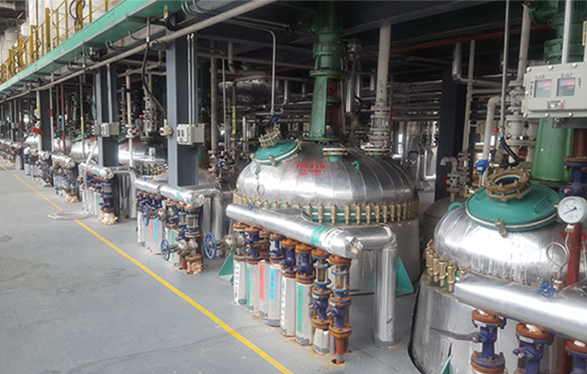
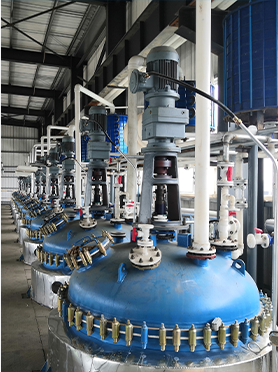
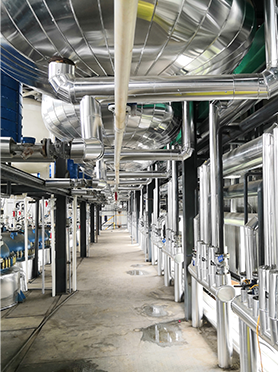
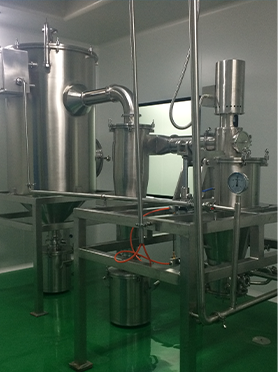
Manufacturing Facilities
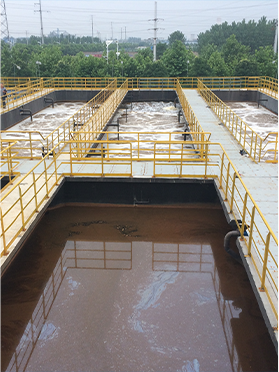
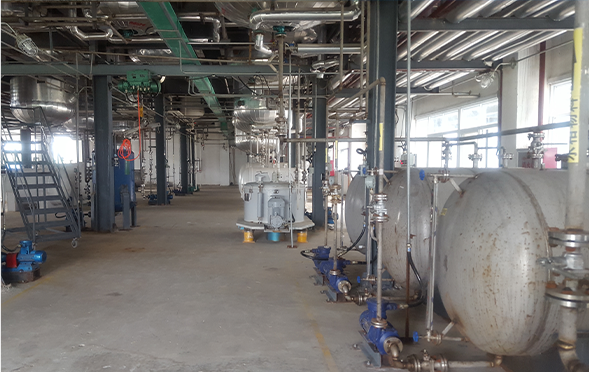
Professional Export Experience
to Global Customers
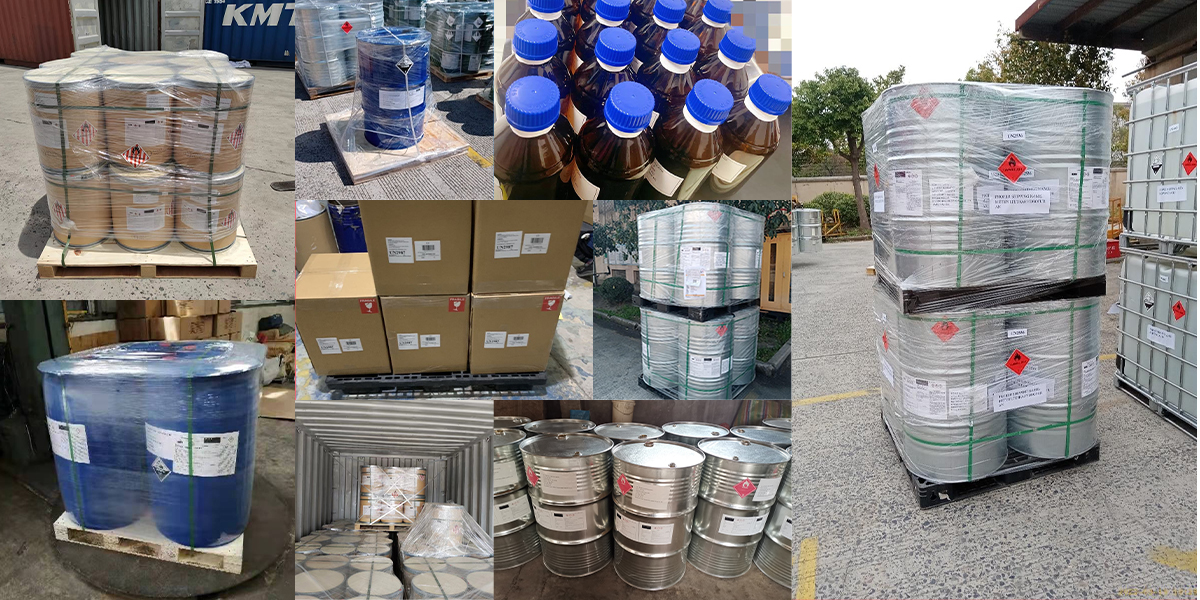
1. 20 years of R&D, manufacturing and sales experience, serving customers in 60 countries and regions around the world;
2. Own R&D laboratory, pilot platform and large-scale production workshop, which can meet the audit requirements of global customers;
3. We can satisfy customers' perfect transition from small scale lab requirements (gram level) to commercialization requirements (hundred tons level).
A: We don't have Minimum Order Quantity, exact quantity should be provided before quotation for us to calculate the exact cost.
A: We don't provide free samples due to lots of request and expensive international courier's cost, we can deduct the sample charge after commercial order placed.
A: Our payment terms: Small or sample order: T/T IN ADVANCE. Commercial order: First order should be by T/T IN ADVANCE or L/C at sight, and following orders T/T 30~90days is acceptable subject to approval of credit application.