
Custom Manufacturing, Project Outsourcing, your Trusted Partner from China
In the chemical industry, particularly for those formulating personal care, cleaning products, or industrial solutions, understanding the nuances between Sodium Lauryl Sulfate (SLS) and Sodium Laureth Sulfate (SLES) is fundamental. While both are effective anionic surfactants known for their excellent foaming and cleaning properties, they possess distinct characteristics that make one more suitable than the other for specific applications. For B2B buyers, making the right choice between SLS and SLES can significantly impact product performance, formulation mildness, and consumer acceptance. This guide aims to clarify these differences and help you decide where to buy the most appropriate surfactant.
What are SLS and SLES?
Both SLS and SLES are sulfates derived from lauryl alcohol. The key difference lies in the addition of ethylene oxide groups to SLES through a process called ethoxylation. This chemical modification fundamentally alters their properties:
Key Differences and B2B Considerations:
For B2B buyers evaluating these surfactants, several factors are critical:
Where to Buy: SLES vs. SLS Procurement:
When you need to buy surfactants for your business, consider the specific demands of your product. If you are formulating high-end shampoos, gentle cleansers, or baby products, sourcing SLES is the logical choice. If your application demands maximum detergency and foaming, and mildness is less of a concern (e.g., some industrial cleaners), SLS might be considered, though even in these areas, SLES often provides a better balance.
For buyers seeking SLES, looking for suppliers with a CAS number of 68585-34-2 and offering the 70% active concentration is standard. When comparing suppliers, whether for SLS or SLES, focus on purity, consistency, pricing, and the ability to provide necessary documentation like CoAs.
In conclusion, while both SLS and SLES are valuable surfactants, SLES offers a distinct advantage in terms of mildness and reduced irritation, making it a more versatile and preferred ingredient for a wider array of consumer products. Understanding these differences empowers B2B buyers to make informed procurement decisions that align with their product development goals.
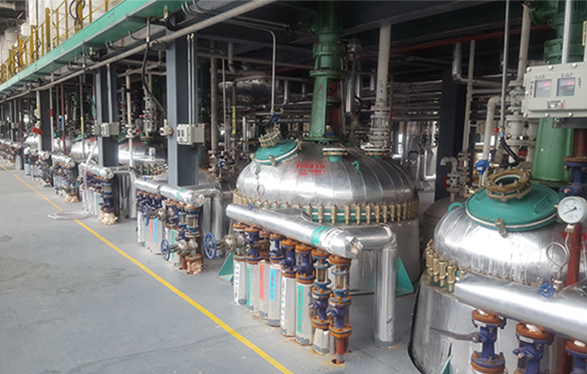
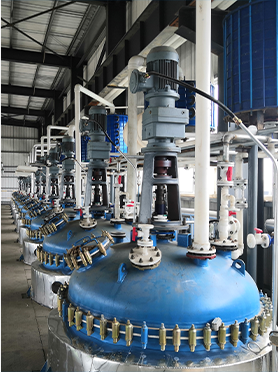
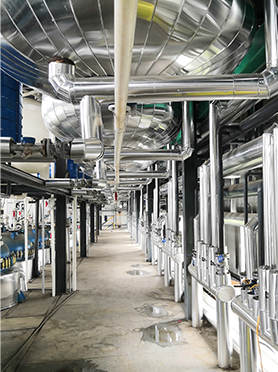
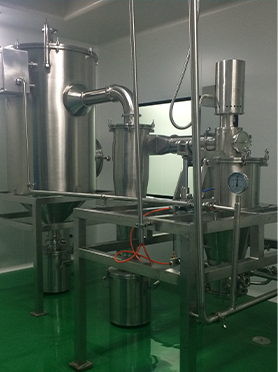
Manufacturing Facilities
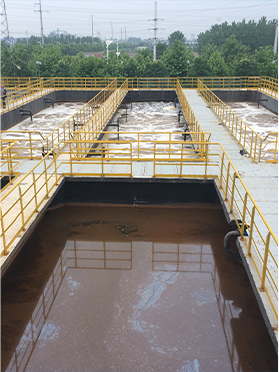
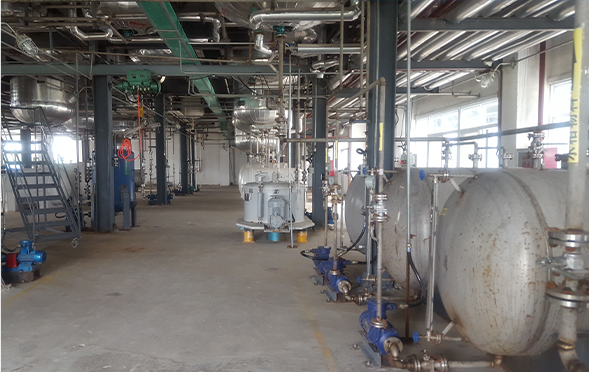
Professional Export Experience
to Global Customers
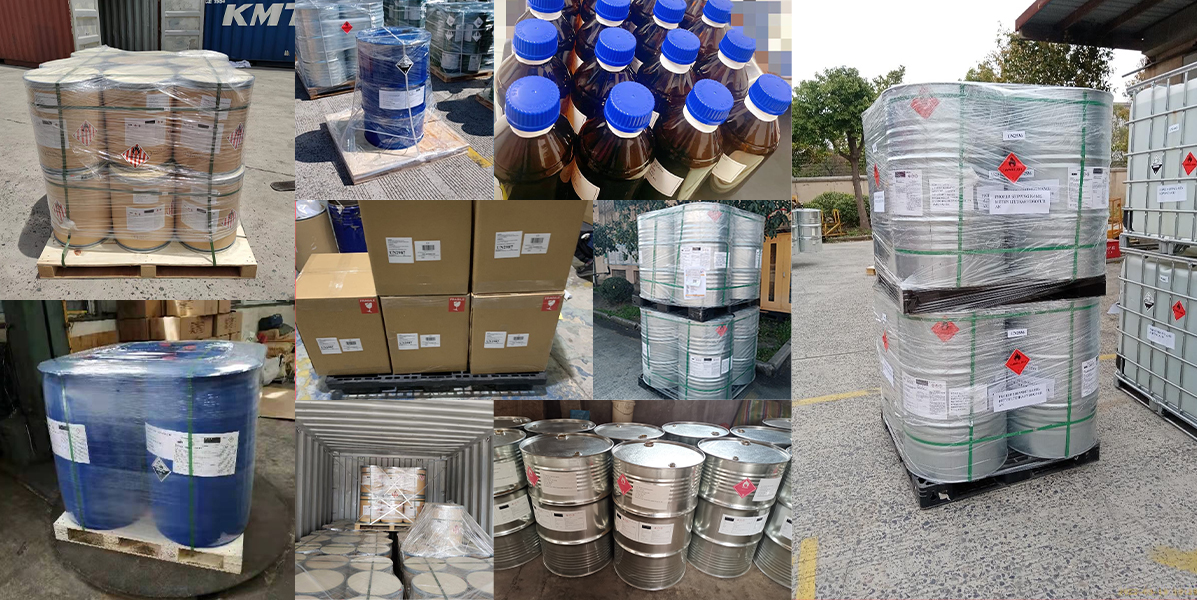
1. 20 years of R&D, manufacturing and sales experience, serving customers in 60 countries and regions around the world;
2. Own R&D laboratory, pilot platform and large-scale production workshop, which can meet the audit requirements of global customers;
3. We can satisfy customers' perfect transition from small scale lab requirements (gram level) to commercialization requirements (hundred tons level).
A: We don't have Minimum Order Quantity, exact quantity should be provided before quotation for us to calculate the exact cost.
A: We don't provide free samples due to lots of request and expensive international courier's cost, we can deduct the sample charge after commercial order placed.
A: Our payment terms: Small or sample order: T/T IN ADVANCE. Commercial order: First order should be by T/T IN ADVANCE or L/C at sight, and following orders T/T 30~90days is acceptable subject to approval of credit application.