
Custom Manufacturing, Project Outsourcing, your Trusted Partner from China
The quest for sustainable energy solutions has propelled the development of advanced photovoltaic technologies. Among these, Dye-Sensitized Solar Cells (DSSCs) have emerged as a promising area, largely due to the innovation in sensitizing dyes. Ruthenium-based dyes, in particular, have been pivotal in achieving high efficiencies in DSSCs since their inception. Understanding these complex molecules is crucial for anyone involved in renewable energy research and manufacturing.
At the forefront of DSSC technology are specialized ruthenium complexes, such as Bis(isothiocyanato)(2,2'-bipyridyl-4,4'-dicarboxylato)(4,4'-dinonyl-2,2'-bipyridyl)ruthenium(II) Sodium Salt (CAS: 871466-65-8), often referred to by its common name, Z907 dye sodium salt. This compound is celebrated for its ability to efficiently absorb sunlight and inject electrons into the semiconductor electrode, a fundamental process in photovoltaic energy conversion. The careful design of its molecular structure, including the bipyridyl ligands and the dinonyl chains, influences its solubility, light absorption spectrum, and anchoring capabilities onto the TiO2 surface, all critical factors for maximizing power conversion efficiency.
For researchers and procurement managers in the field of photoelectric materials, sourcing high-quality sensitizing dyes is paramount. The purity and consistency of compounds like Z907 dye sodium salt directly impact the performance and longevity of the solar cells produced. Therefore, identifying reliable manufacturers and suppliers is a strategic imperative. Companies specializing in advanced chemical synthesis, particularly those based in China, often provide competitive pricing for these complex molecules. When looking to buy Z907 dye sodium salt, it's essential to consider factors like purity levels (often specified as ≥95% or higher), molecular weight (approximately 892.08 g/mol), and proper storage conditions, which typically involve refrigeration to maintain stability.
The application of these dyes extends beyond single-cell devices. They are integral to the development of flexible solar panels, transparent solar modules, and other novel solar energy harvesting systems. As the demand for renewable energy grows, so does the market for these specialized materials. Partnering with established chemical manufacturers who can offer both standard products and custom synthesis services ensures that you have a consistent and quality supply chain. Whether you are conducting cutting-edge research or scaling up production, understanding the technical specifications and sourcing options for ruthenium dyes is key to success in the rapidly evolving field of solar energy.
If you are seeking to purchase Z907 dye sodium salt or explore other advanced photoelectric materials, engaging with experienced manufacturers can provide valuable insights into pricing, bulk discounts, and the latest innovations. The continuous evolution of dye chemistry promises even more efficient and cost-effective solar energy solutions in the near future.
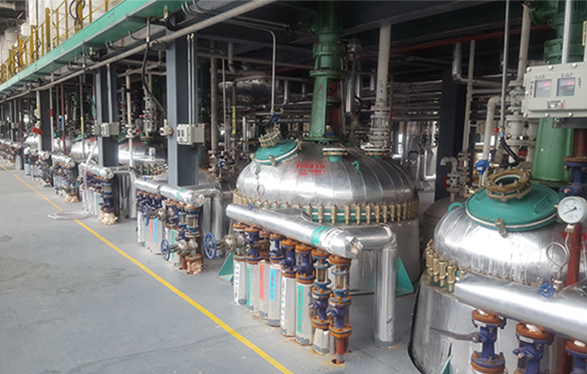
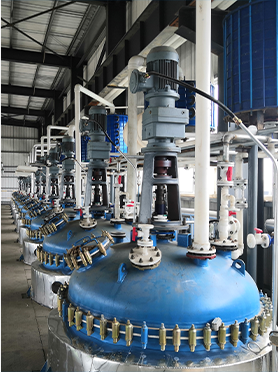
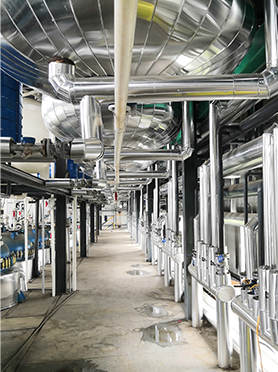
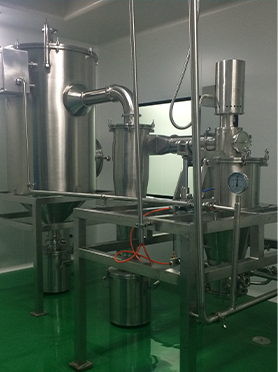
Manufacturing Facilities
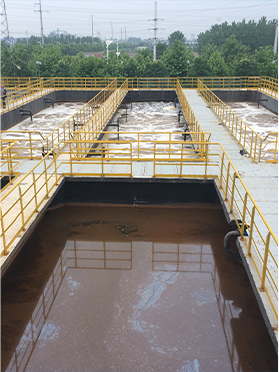
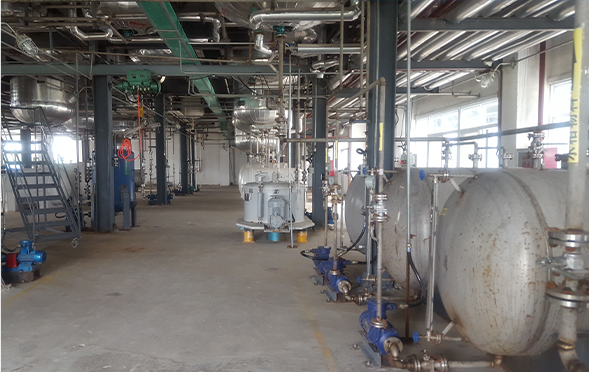
Professional Export Experience
to Global Customers
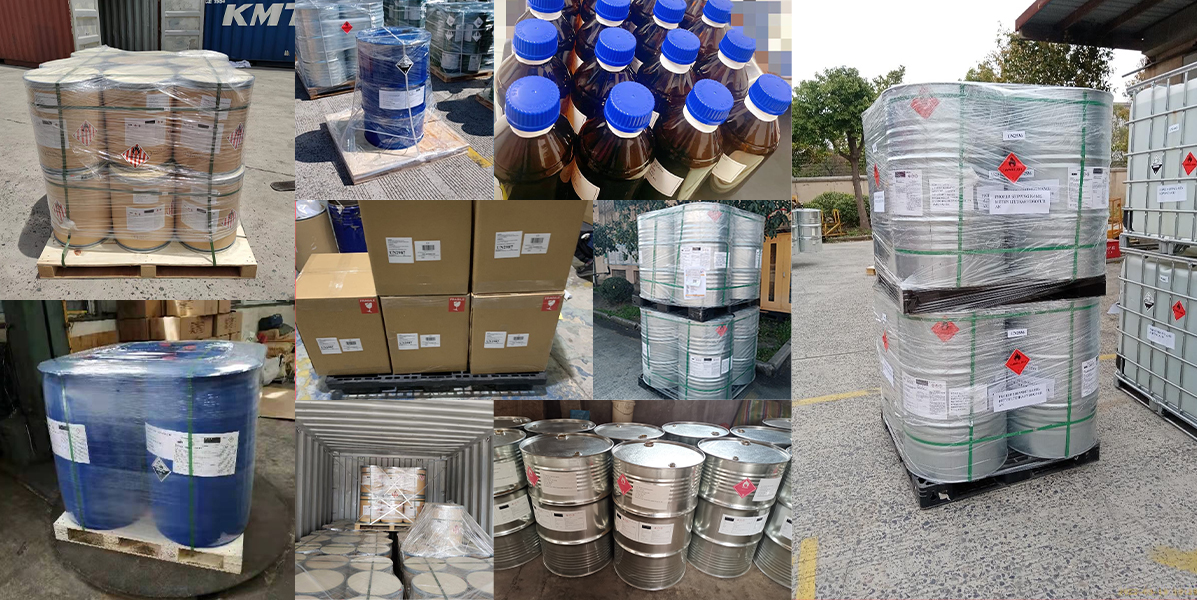
1. 20 years of R&D, manufacturing and sales experience, serving customers in 60 countries and regions around the world;
2. Own R&D laboratory, pilot platform and large-scale production workshop, which can meet the audit requirements of global customers;
3. We can satisfy customers' perfect transition from small scale lab requirements (gram level) to commercialization requirements (hundred tons level).
A: We don't have Minimum Order Quantity, exact quantity should be provided before quotation for us to calculate the exact cost.
A: We don't provide free samples due to lots of request and expensive international courier's cost, we can deduct the sample charge after commercial order placed.
A: Our payment terms: Small or sample order: T/T IN ADVANCE. Commercial order: First order should be by T/T IN ADVANCE or L/C at sight, and following orders T/T 30~90days is acceptable subject to approval of credit application.