
Custom Manufacturing, Project Outsourcing, your Trusted Partner from China
The responsible application of herbicides is critical for both effective weed control and environmental stewardship. Diclosulam, a widely used herbicide, has a specific environmental profile that growers and formulators should understand. As a leading manufacturer and supplier of Diclosulam in China, we are committed to providing comprehensive information to ensure its sustainable and effective use.
Diclosulam's Journey in the Soil: Dissipation and Persistence
Once applied, Diclosulam undergoes dissipation in the soil through various processes, primarily microbial degradation. Its soil half-life (DT50) typically ranges from 16 to 87 days, depending on factors like soil type, moisture content, organic matter, and pH. This moderate persistence means that while it offers lasting weed control, its presence in the soil needs to be managed, especially concerning subsequent crop rotations.
Key Degradation Pathways: Microbial Breakdown
Microbial degradation is the principal mechanism by which Diclosulam breaks down in the soil. Soil microorganisms actively metabolize the herbicide, leading to the formation of various breakdown products. These often involve dealkylation of the ethoxy moiety or hydrolysis of the sulfonamide bridge. Photodegradation and volatilization are considered insignificant pathways for Diclosulam's dissipation.
Mobility and Leaching Potential
Diclosulam is classified as moderately mobile in soil. Its mobility can be influenced by soil properties, with a greater potential for leaching in soils low in organic matter. However, crop residues, such as straw, can significantly affect its movement. Studies show that straw can increase Diclosulam's sorption to soil particles, reducing its leaching potential and increasing its persistence. When considering purchasing Diclosulam, understanding these behaviors is vital for effective application planning.
Factors Influencing Degradation Kinetics:
Managing Environmental Impact and Resistance
For growers, managing Diclosulam's environmental fate involves adhering to recommended application rates and respecting crop rotation restrictions. These intervals are designed to ensure that residual levels of Diclosulam do not adversely affect subsequent sensitive crops. Furthermore, integrated weed management strategies, including crop rotation and the use of cover crops, can help mitigate risks associated with herbicide persistence.
As a leading Diclosulam supplier, we provide detailed technical data to assist you in making informed decisions. Whether you are a formulator or an end-user, understanding the environmental behavior of Diclosulam is crucial for sustainable agriculture. We are committed to supplying high-quality Diclosulam and sharing valuable insights to support your operations.
For those looking to buy Diclosulam, partnering with a reliable manufacturer like us ensures you receive product that is both effective and accompanied by essential technical and safety information. Contact us today to learn more about Diclosulam's environmental profile and to inquire about purchasing options.
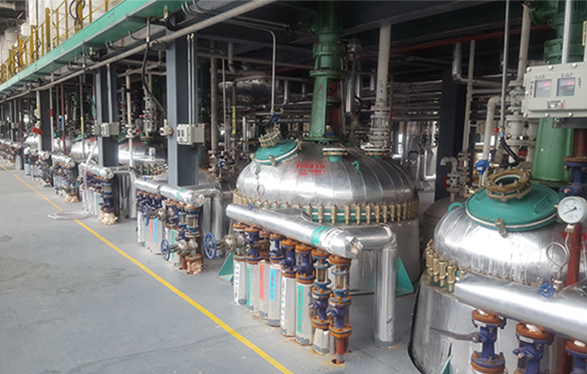
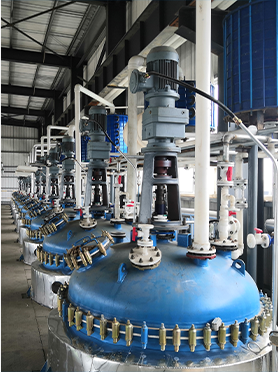
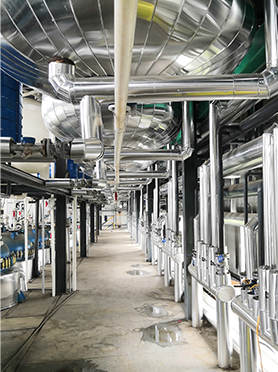
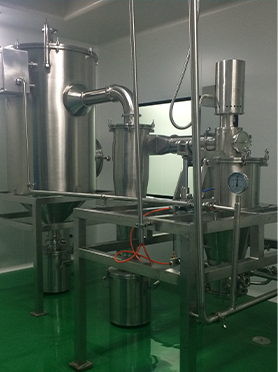
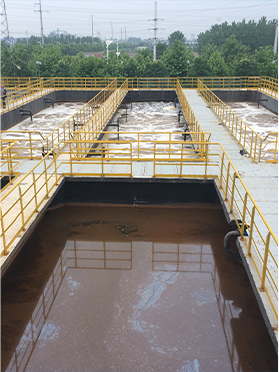
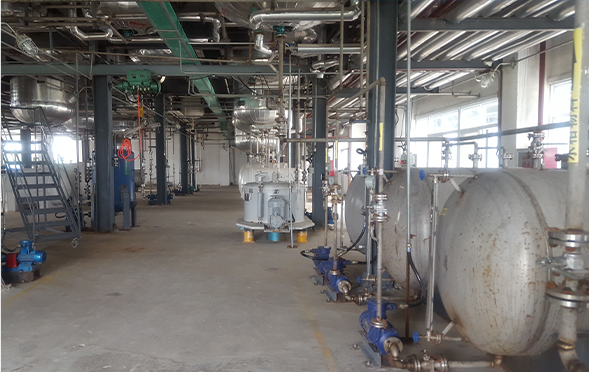
Manufacturing Facilities
Professional Export Experience
to Global Customers
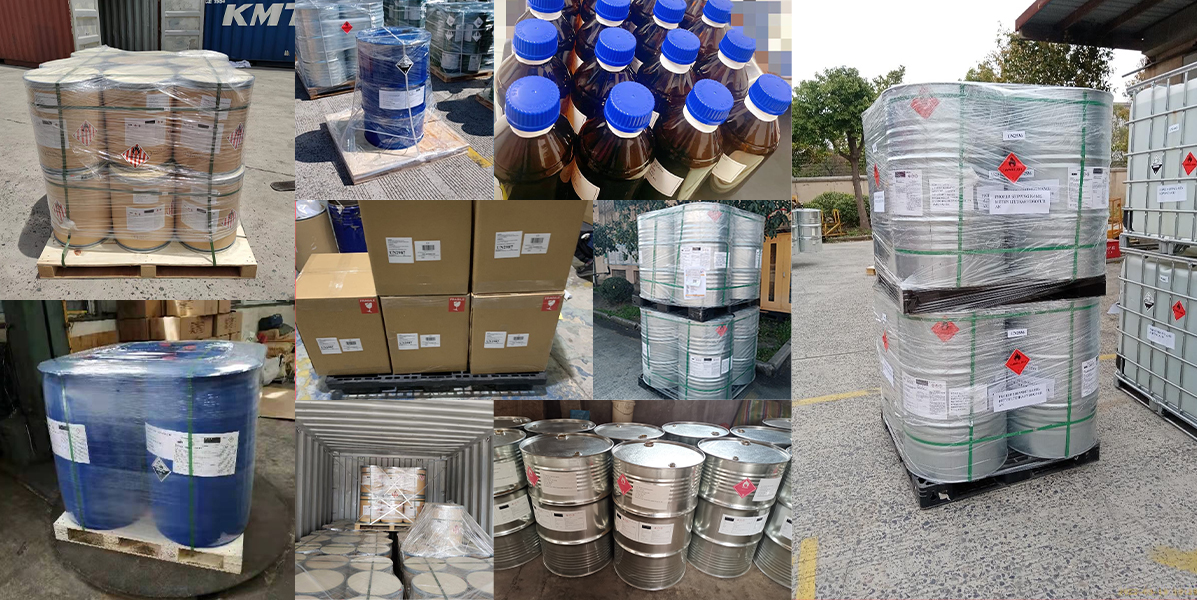
1. 20 years of R&D, manufacturing and sales experience, serving customers in 60 countries and regions around the world;
2. Own R&D laboratory, pilot platform and large-scale production workshop, which can meet the audit requirements of global customers;
3. We can satisfy customers' perfect transition from small scale lab requirements (gram level) to commercialization requirements (hundred tons level).
A: We don't have Minimum Order Quantity, exact quantity should be provided before quotation for us to calculate the exact cost.
A: We don't provide free samples due to lots of request and expensive international courier's cost, we can deduct the sample charge after commercial order placed.
A: Our payment terms: Small or sample order: T/T IN ADVANCE. Commercial order: First order should be by T/T IN ADVANCE or L/C at sight, and following orders T/T 30~90days is acceptable subject to approval of credit application.