
Custom Manufacturing, Project Outsourcing, your Trusted Partner from China
Diethylene Glycol (DEG) is a chemical compound that, while perhaps not widely known to the general public, is an indispensable component in a multitude of industrial applications. Its unique chemical properties as a solvent, humectant, and intermediate make it vital for sectors ranging from textiles to automotive fluids and resin manufacturing. Understanding the specific advantages DEG offers in these areas can help businesses optimize their product formulations and manufacturing processes. This exploration covers the key applications of DEG, highlighting its importance and providing insights for those looking to purchase this versatile chemical.
In the textile industry, Diethylene Glycol plays a crucial role as a solvent and conditioning agent. Its ability to dissolve dyes and other textile auxiliaries ensures even coloration and improved penetration into fibers. DEG also acts as a lubricant, reducing friction during textile processing and preventing damage to delicate fabrics. Its hygroscopic nature helps maintain consistent moisture levels, which is beneficial in spinning and weaving operations. For textile manufacturers, sourcing reliable DEG is key to achieving consistent quality in dyeing and finishing processes.
The automotive sector significantly relies on DEG, particularly in the formulation of brake fluids. DEG's high boiling point and low volatility are essential for ensuring the consistent performance of brake systems under demanding conditions. It also contributes to the fluid's lubricity, protecting critical brake components from wear. Furthermore, DEG is used in lubricants and hydraulic fluids, where its viscosity and thermal stability are advantageous. Companies manufacturing or formulating these automotive fluids require a steady supply of high-quality DEG.
The production of polyester resins, both saturated and unsaturated, is another major area where Diethylene Glycol is a key raw material. DEG acts as a glycol component in the polymerization process, contributing to the flexibility, durability, and chemical resistance of the resulting resins. These resins are widely used in the manufacturing of fiberglass-reinforced plastics, coatings, adhesives, and molding compounds. The demand for advanced materials in construction, automotive, and marine industries drives the need for consistent access to DEG for resin manufacturers.
Beyond these primary applications, DEG serves as a humectant in various products, including adhesives, inks, and even some paper treatments, helping to retain moisture and prevent drying out. It is also a precursor for synthesizing other important chemicals like morpholine and 1,4-dioxane. For businesses seeking to buy DEG, understanding these diverse applications underscores its broad industrial relevance. Whether you are a manufacturer of specialty chemicals, a textile processor, or an automotive fluid formulator, securing a dependable supply of Diethylene Glycol from a reputable manufacturer is essential for maintaining operational efficiency and product quality.
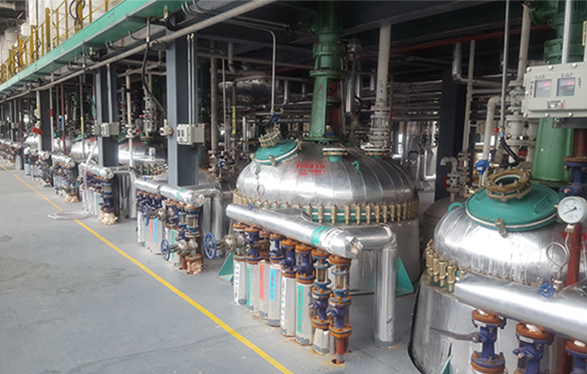
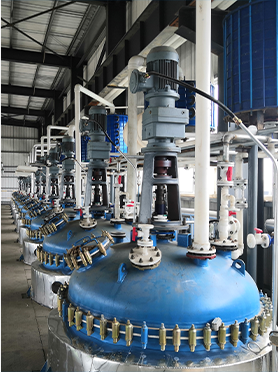
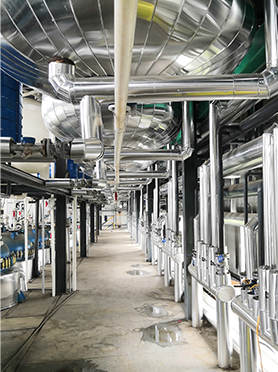
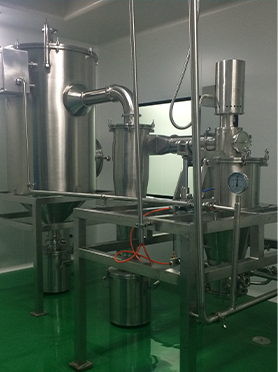
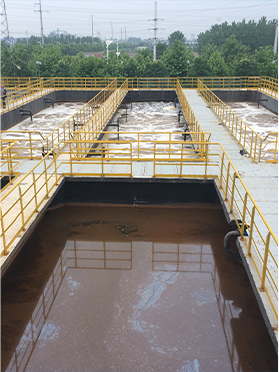
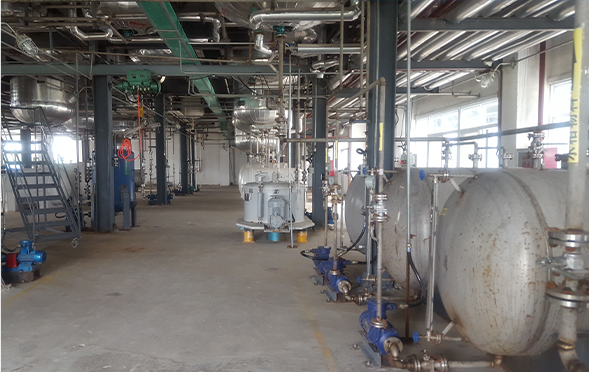
Manufacturing Facilities
Professional Export Experience
to Global Customers
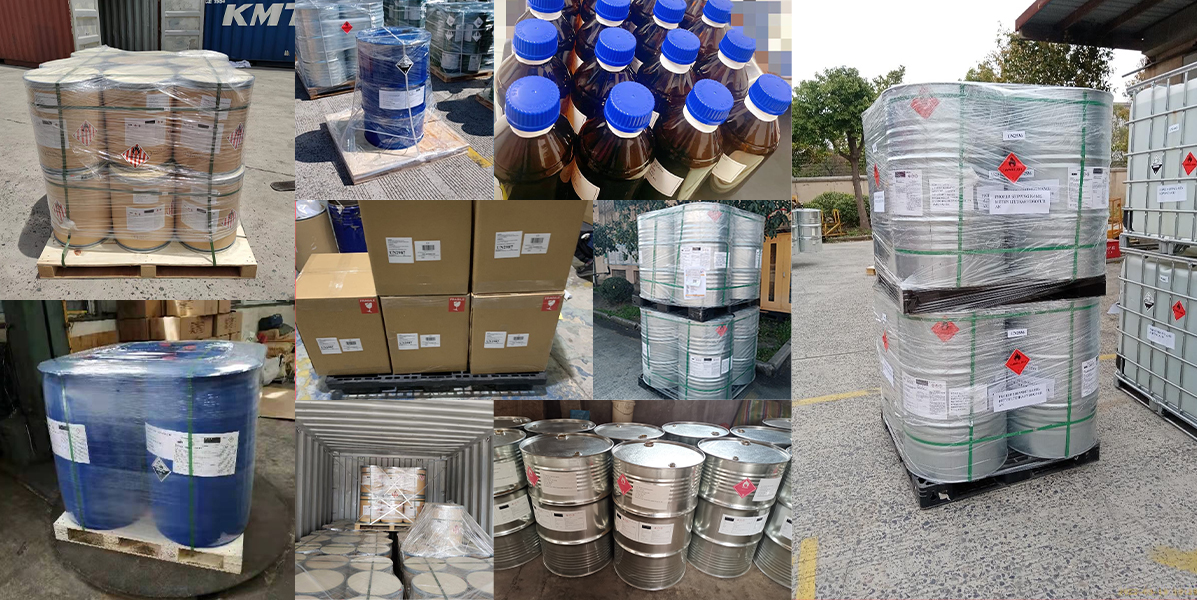
1. 20 years of R&D, manufacturing and sales experience, serving customers in 60 countries and regions around the world;
2. Own R&D laboratory, pilot platform and large-scale production workshop, which can meet the audit requirements of global customers;
3. We can satisfy customers' perfect transition from small scale lab requirements (gram level) to commercialization requirements (hundred tons level).
A: We don't have Minimum Order Quantity, exact quantity should be provided before quotation for us to calculate the exact cost.
A: We don't provide free samples due to lots of request and expensive international courier's cost, we can deduct the sample charge after commercial order placed.
A: Our payment terms: Small or sample order: T/T IN ADVANCE. Commercial order: First order should be by T/T IN ADVANCE or L/C at sight, and following orders T/T 30~90days is acceptable subject to approval of credit application.