
Custom Manufacturing, Project Outsourcing, your Trusted Partner from China
In the demanding environment of petroleum refining and ethylene cracking, preventing coke formation is a constant challenge. Coke deposits can significantly reduce operational efficiency, lead to equipment damage, and increase maintenance costs. Dimethyl Disulfide (DMDS), with its unique chemical properties, stands out as a highly effective solution for mitigating these issues. This article explores the critical role of DMDS as a coking inhibitor and highlights the benefits for refineries seeking to optimize their processes.
Dimethyl Disulfide (DMDS), CAS 624-92-0, is a sulfur-containing organic compound that finds significant application in the petrochemical industry. Its primary function in this sector is as a coking inhibitor. Coke, a form of carbonaceous deposit, forms when hydrocarbons undergo thermal decomposition at high temperatures. In processes like steam cracking for ethylene production or in various refinery units, these high temperatures can lead to the formation of sticky, solid coke that adheres to furnace tubes, heat exchangers, and other critical equipment.
The mechanism by which DMDS inhibits coking involves its ability to react with and deactivate active sites on metal surfaces where coke formation typically initiates. By introducing DMDS into the process stream, refiners can effectively suppress the polymerization and subsequent deposition of coke precursors. This leads to several tangible benefits:
For refineries and chemical plants looking to purchase Dimethyl Disulfide for this critical application, partnering with a reliable manufacturer and supplier is essential. A consistent supply of high-purity DMDS, typically exceeding 99.50%, ensures predictable performance and efficacy. Leading chemical manufacturers in regions like China offer DMDS with stringent quality controls, providing the assurance that procurement managers need for such vital process chemicals. When inquiring about DMDS, specifying its intended use as a coking inhibitor will help suppliers provide the most suitable product and technical support.
In conclusion, Dimethyl Disulfide is an indispensable tool for the petroleum refining and petrochemical industries, primarily for its role as a coking inhibitor. Its ability to prevent coke formation offers significant advantages in terms of equipment longevity, process efficiency, and cost reduction. Businesses in these sectors should consider DMDS as a key chemical input to maintain optimal operational performance and profitability.
Manufacturing Facilities
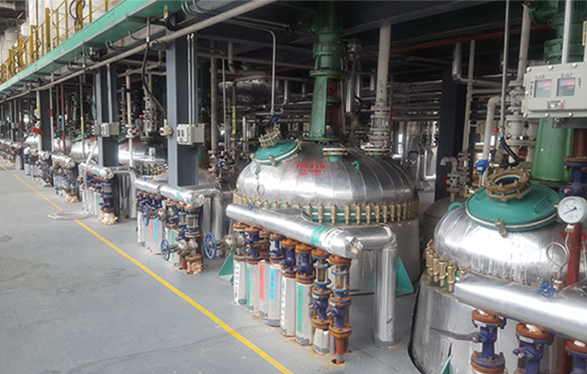
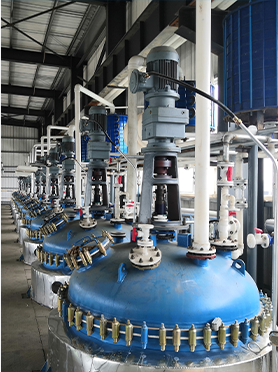
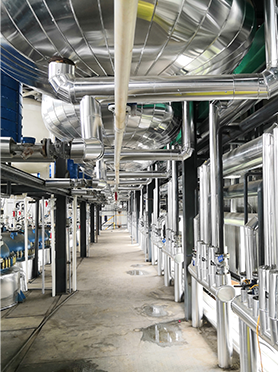
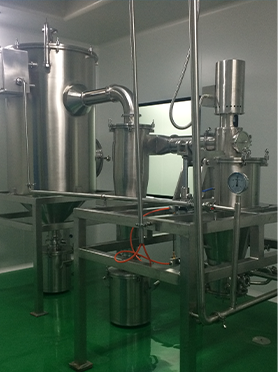
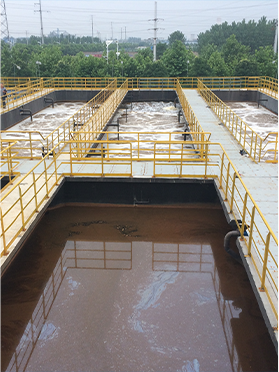
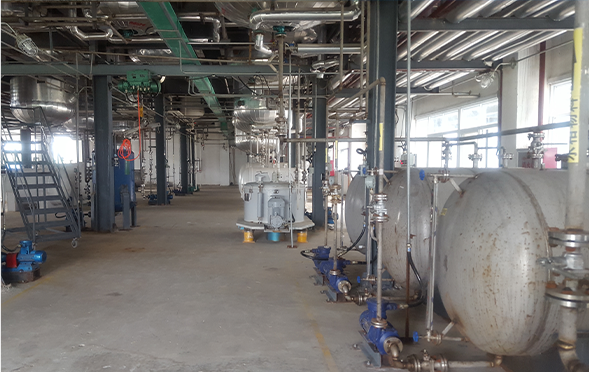
Professional Export Experience
to Global Customers
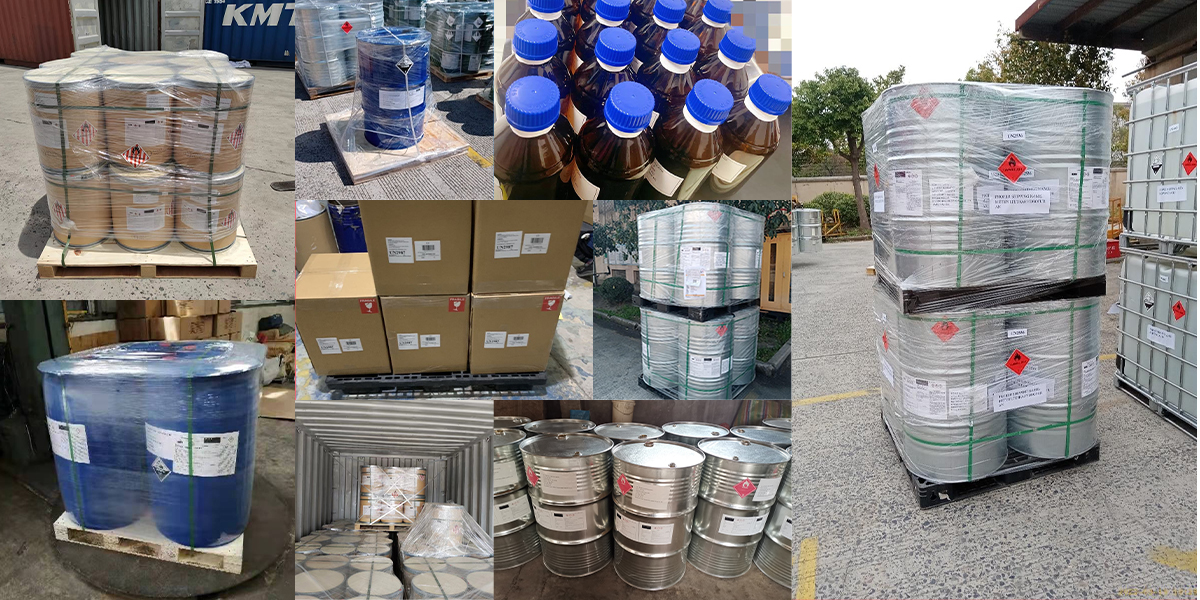
1. 20 years of R&D, manufacturing and sales experience, serving customers in 60 countries and regions around the world;
2. Own R&D laboratory, pilot platform and large-scale production workshop, which can meet the audit requirements of global customers;
3. We can satisfy customers' perfect transition from small scale lab requirements (gram level) to commercialization requirements (hundred tons level).
A: We don't have Minimum Order Quantity, exact quantity should be provided before quotation for us to calculate the exact cost.
A: We don't provide free samples due to lots of request and expensive international courier's cost, we can deduct the sample charge after commercial order placed.
A: Our payment terms: Small or sample order: T/T IN ADVANCE. Commercial order: First order should be by T/T IN ADVANCE or L/C at sight, and following orders T/T 30~90days is acceptable subject to approval of credit application.