
Custom Manufacturing, Project Outsourcing, your Trusted Partner from China
For professionals in the chemical and food industries, understanding the specific properties of different isomers of tartaric acid is critical for making informed sourcing decisions. While both DL-Tartaric Acid and L-Tartaric Acid (also known as L-(+)-tartaric acid) share a common molecular formula (C4H6O6) and are derived from the same basic structure, their differences in chirality and properties lead to distinct applications and sourcing considerations.
Understanding Tartaric Acid Isomers
Tartaric acid exists in several stereoisomeric forms: L-(+)-tartaric acid (naturally occurring), D-(-)-tartaric acid (the enantiomer of L-), and DL-tartaric acid (a racemic mixture of D- and L- forms). L-Tartaric acid is derived primarily as a byproduct of winemaking, making it the more commonly encountered natural form. DL-Tartaric acid, on the other hand, is synthetically produced or derived from a resolution of the racemic mixture.
Key Differences in Properties and Applications
The primary distinction lies in their optical activity and, consequently, some physical properties. L-Tartaric Acid is optically active, rotating plane-polarized light to the right (+). DL-Tartaric Acid is optically inactive because it is a mixture of equal parts of the two optically active enantiomers, whose opposing effects cancel each other out.
Sourcing Considerations: Price and Purity
When you need to buy DL-Tartaric Acid, its synthetic origin often translates to a more competitive DL-Tartaric Acid price compared to the naturally derived L-isomer. However, for certain applications, particularly in high-end food products or specialized pharmaceutical formulations, the natural L-form might be mandated or preferred. Understanding your specific application’s requirements is key.
A reliable DL-Tartaric Acid supplier will clearly differentiate between the isomers and provide detailed specifications. For businesses seeking cost-effective solutions, sourcing DL-Tartaric Acid from a reputable chemical manufacturer in China like Ningbo Innopharmchem can offer significant advantages. They ensure the quality and purity required for industrial and food-grade applications, even for the racemic mixture.
Choosing the Right Tartaric Acid for Your Needs
Whether your application demands the specific chiral properties of L-Tartaric Acid or the cost-effectiveness of DL-Tartaric Acid, careful selection is crucial. By consulting with your suppliers and understanding the distinct characteristics of each isomer, you can make the optimal choice to enhance your product quality and manage costs effectively. When you purchase DL-Tartaric Acid, ensure you are meeting your exact technical and regulatory needs.
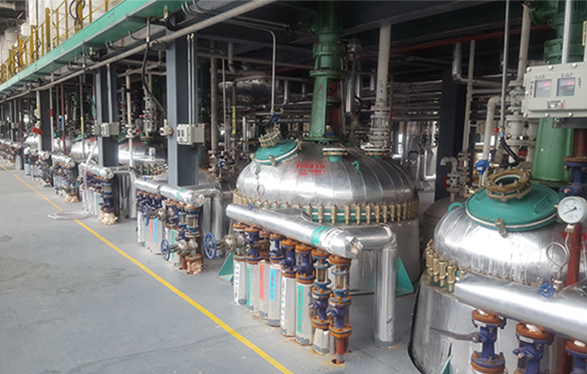
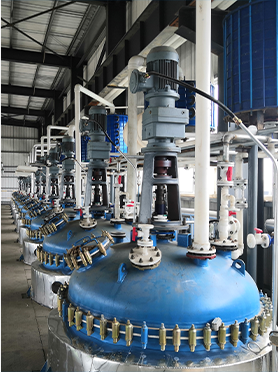
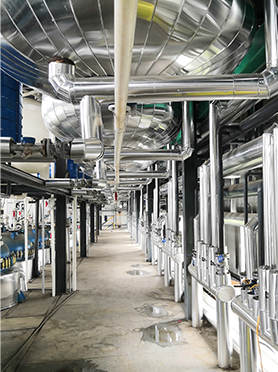
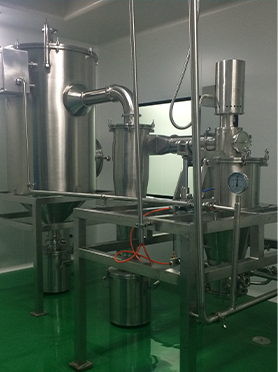
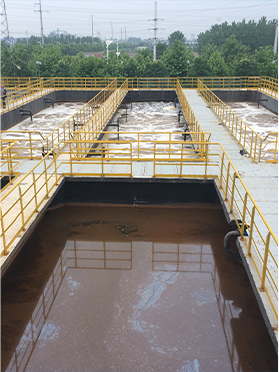
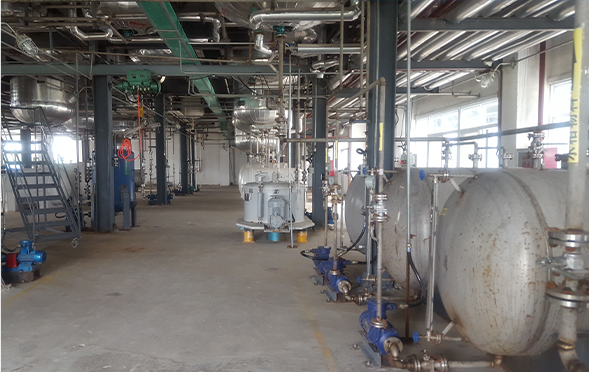
Manufacturing Facilities
Professional Export Experience
to Global Customers
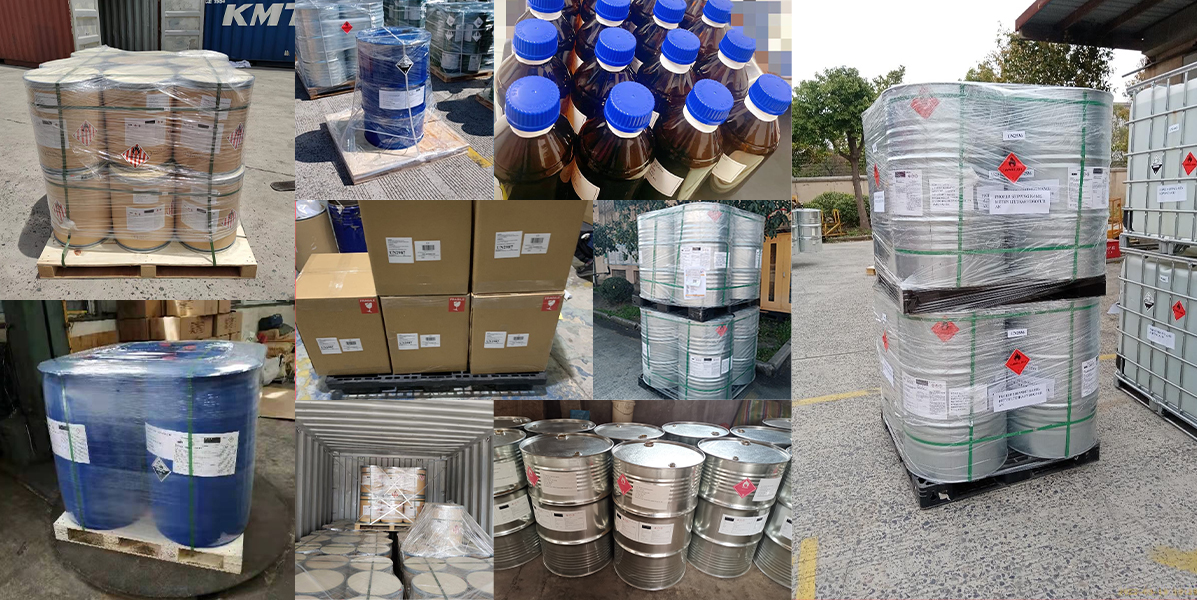
1. 20 years of R&D, manufacturing and sales experience, serving customers in 60 countries and regions around the world;
2. Own R&D laboratory, pilot platform and large-scale production workshop, which can meet the audit requirements of global customers;
3. We can satisfy customers' perfect transition from small scale lab requirements (gram level) to commercialization requirements (hundred tons level).
A: We don't have Minimum Order Quantity, exact quantity should be provided before quotation for us to calculate the exact cost.
A: We don't provide free samples due to lots of request and expensive international courier's cost, we can deduct the sample charge after commercial order placed.
A: Our payment terms: Small or sample order: T/T IN ADVANCE. Commercial order: First order should be by T/T IN ADVANCE or L/C at sight, and following orders T/T 30~90days is acceptable subject to approval of credit application.