
Custom Manufacturing, Project Outsourcing, your Trusted Partner from China
The pursuit of efficient and sustainable portable power sources has led to extensive research into various direct-feed fuel cell technologies. Among the leading contenders are Direct Methanol Fuel Cells (DMFCs) and Direct Dimethyl Ether Fuel Cells (DDMEFCs). While both utilize liquid or gaseous fuels, a comparative analysis reveals distinct advantages and disadvantages for each, particularly concerning performance, safety, and handling.
Performance Metrics: DME vs. Methanol
Dimethyl Ether (DME) offers a higher energy density per kilogram and per liter compared to methanol, theoretically providing more power output. In DDMEFCs, DME oxidation requires more water compared to methanol in DMFCs, and achieving the correct DME-to-water molar ratio is critical for optimal performance. Studies indicate that while DME oxidation kinetics can be slower than methanol, DDMEFCs can achieve superior performance at higher cell voltages. This is often attributed to lower fuel crossover and reduced negative impact on the cathode, as DME is less prone to permeating the membrane than methanol. This reduced crossover mitigates cathode poisoning, a common issue in DMFCs.
When considering how to buy DME for fuel cell applications, it's important to understand these performance nuances. As a premier dimethyl ether fuel cell supplier, we provide high-purity DME that ensures consistent fuel quality. For those seeking to buy methanol for comparison or existing DMFC systems, we acknowledge its established role. However, for future-oriented power solutions, the advantages of DME are increasingly evident. We pride ourselves on being a leading DME manufacturer in China, offering a reliable supply chain and competitive DME prices for both research and commercial applications.
Safety and Handling Considerations
DME is generally considered less toxic than methanol, enhancing its safety profile for handling and transportation. Its liquefaction properties are also advantageous. Methanol, while a well-established fuel, presents greater toxicity concerns and can lead to more significant fuel crossover issues that degrade cathode performance. The ability to safely transport and store DME using existing infrastructure further solidifies its position as a practical fuel alternative.
For procurement managers and R&D scientists evaluating fuel options, understanding these differences is crucial. Our company, as a dedicated DME supplier and CAS 115-10-6 supplier, is equipped to provide the high-quality DME necessary for these advanced energy systems. We encourage you to explore the benefits of DME for your fuel cell needs and to leverage our expertise as a trusted industrial chemical provider.
Manufacturing Facilities
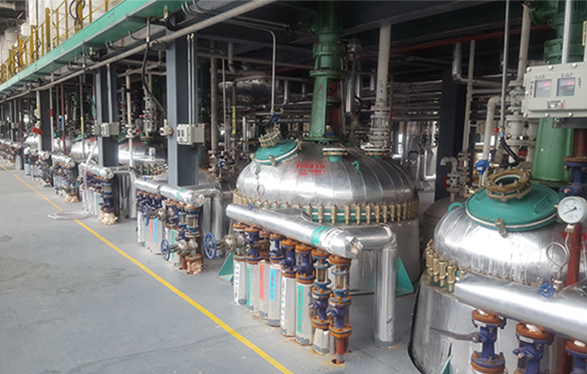
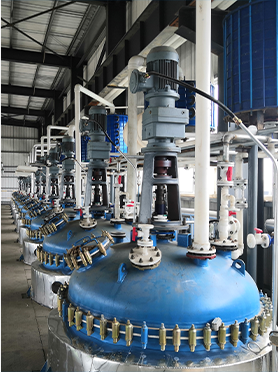
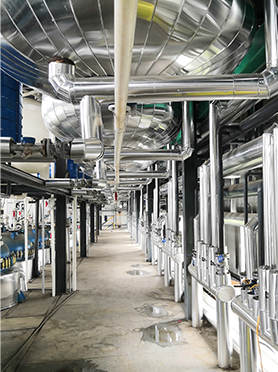
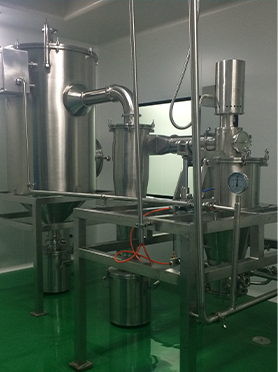
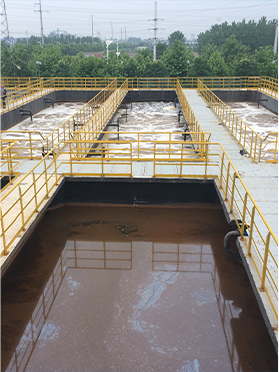
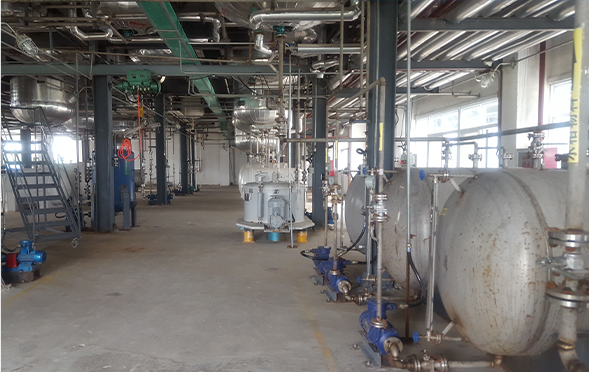
Professional Export Experience
to Global Customers
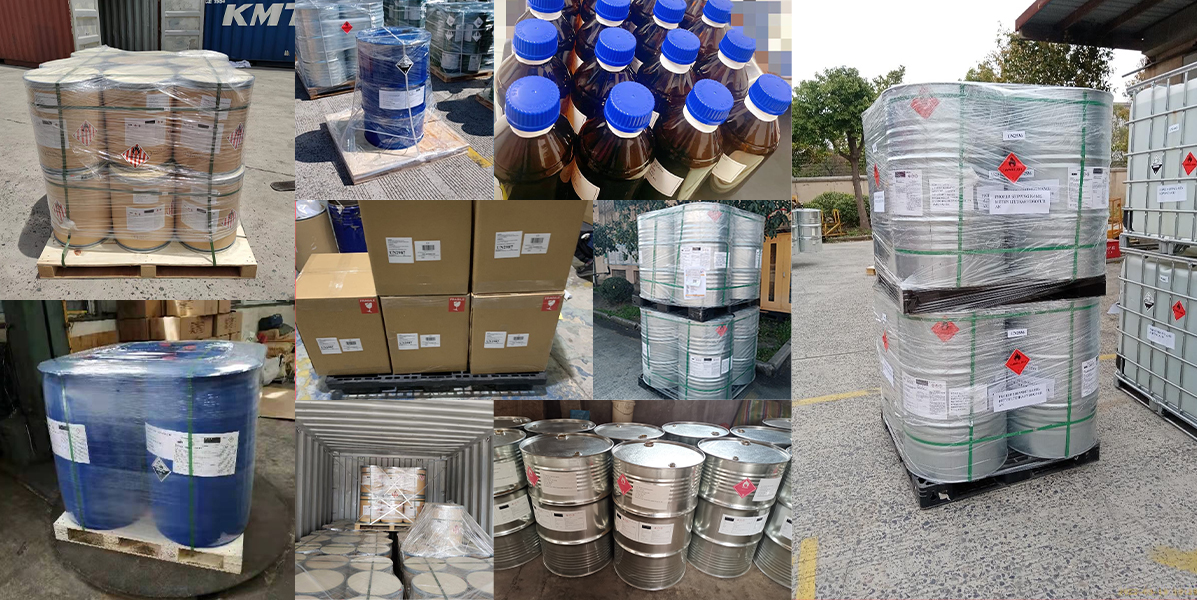
1. 20 years of R&D, manufacturing and sales experience, serving customers in 60 countries and regions around the world;
2. Own R&D laboratory, pilot platform and large-scale production workshop, which can meet the audit requirements of global customers;
3. We can satisfy customers' perfect transition from small scale lab requirements (gram level) to commercialization requirements (hundred tons level).
A: We don't have Minimum Order Quantity, exact quantity should be provided before quotation for us to calculate the exact cost.
A: We don't provide free samples due to lots of request and expensive international courier's cost, we can deduct the sample charge after commercial order placed.
A: Our payment terms: Small or sample order: T/T IN ADVANCE. Commercial order: First order should be by T/T IN ADVANCE or L/C at sight, and following orders T/T 30~90days is acceptable subject to approval of credit application.