
Custom Manufacturing, Project Outsourcing, your Trusted Partner from China
The selection of plasticizers is a critical decision for any business involved in the manufacturing of flexible polymers, particularly PVC. For decades, Dioctyl Phthalate (DEHP) was a common choice, but growing concerns over its health and environmental impacts have paved the way for superior alternatives. This article delves into the critical differences between DEHP and its safer, more effective counterpart, Dioctyl Terephthalate (DOTP), highlighting why DOTP is the preferred choice for forward-thinking manufacturers.
At the core of the distinction lies their chemical origin. DEHP is a phthalate ester, derived from phthalic acid. DOTP, on the other hand, is a terephthalate ester, synthesized from terephthalic acid. This fundamental chemical difference has profound implications. DEHP has faced increasing regulatory restrictions worldwide due to its association with potential endocrine disruption and reproductive toxicity. In contrast, DOTP is a phthalate-free plasticizer, offering a significantly improved safety profile. This makes it an ideal candidate for applications where human contact is common, such as in toys, medical devices, and food packaging.
From a performance perspective, DOTP often matches or exceeds DEHP's capabilities while offering additional benefits. DOTP generally exhibits better thermal stability, meaning it can withstand higher temperatures without degradation or loss of properties. This is crucial for applications involving heat processing or prolonged exposure to elevated temperatures, such as wire and cable insulation or automotive interiors. Furthermore, DOTP typically demonstrates lower migration rates from the polymer matrix, contributing to product longevity and reduced environmental release.
While DEHP might historically have been perceived as more cost-effective, the total cost of ownership for DOTP is often more advantageous when considering regulatory compliance, reduced health risks, and enhanced product performance. Manufacturers looking to secure a reliable supply of high-quality DOTP can find competitive pricing from established suppliers in China. When sourcing, it is vital to partner with manufacturers who can provide consistent purity and adhere to strict quality control measures.
In conclusion, the shift from DEHP to DOTP is not merely a trend but a necessary evolution driven by safety, environmental, and performance considerations. For businesses seeking to innovate and maintain a competitive edge, adopting DOTP as their primary plasticizer is a strategic decision. We invite you to explore our range of high-quality DOTP and discover how this advanced plasticizer can benefit your manufacturing processes and end products.
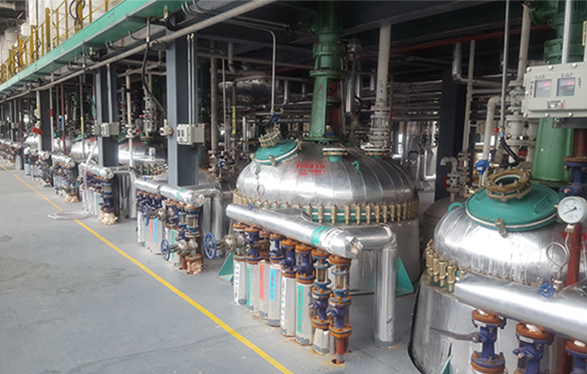
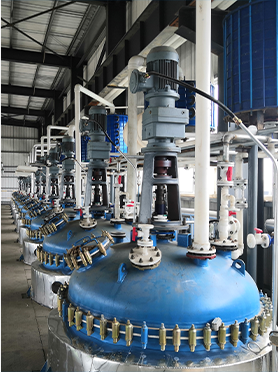
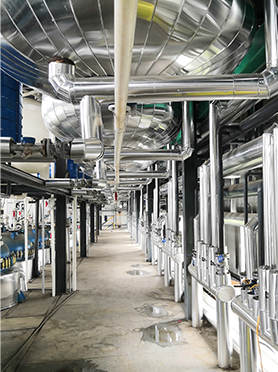
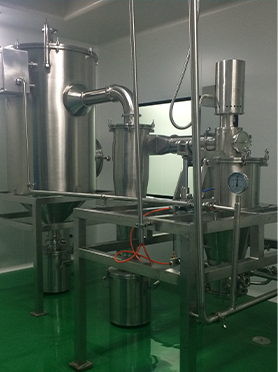
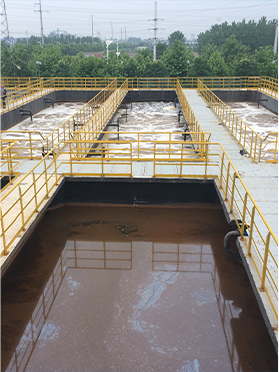
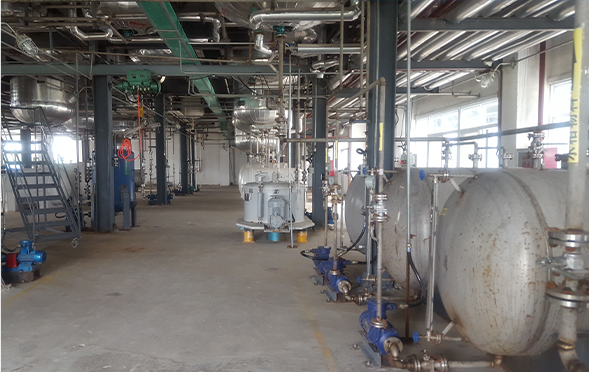
Manufacturing Facilities
Professional Export Experience
to Global Customers
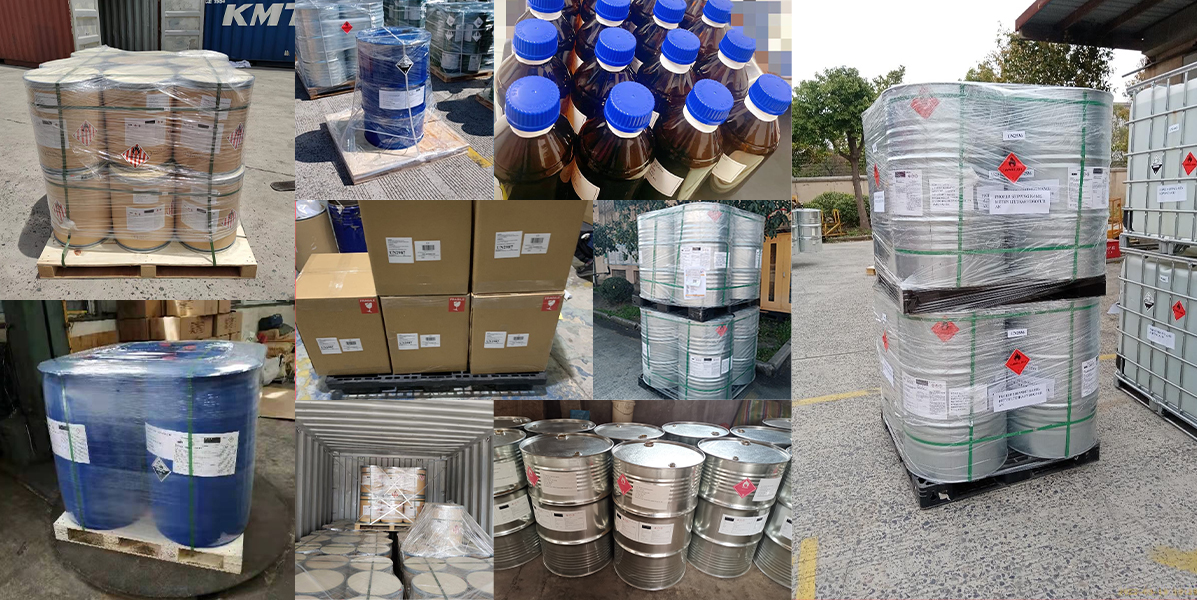
1. 20 years of R&D, manufacturing and sales experience, serving customers in 60 countries and regions around the world;
2. Own R&D laboratory, pilot platform and large-scale production workshop, which can meet the audit requirements of global customers;
3. We can satisfy customers' perfect transition from small scale lab requirements (gram level) to commercialization requirements (hundred tons level).
A: We don't have Minimum Order Quantity, exact quantity should be provided before quotation for us to calculate the exact cost.
A: We don't provide free samples due to lots of request and expensive international courier's cost, we can deduct the sample charge after commercial order placed.
A: Our payment terms: Small or sample order: T/T IN ADVANCE. Commercial order: First order should be by T/T IN ADVANCE or L/C at sight, and following orders T/T 30~90days is acceptable subject to approval of credit application.