
Custom Manufacturing, Project Outsourcing, your Trusted Partner from China
The selection of the appropriate plasticizer is a cornerstone of successful polymer formulation, directly influencing product performance, safety, and cost-effectiveness. For decades, Dioctyl Phthalate (DOP) has been a workhorse in the industry, widely used to enhance the flexibility of Polyvinyl Chloride (PVC). However, with increasing global focus on health and environmental safety, newer alternatives like Dioctyl Terephthalate (DOTP) have emerged as powerful contenders. As a prominent China-based manufacturer and supplier of both chemical intermediates, we offer insights into this critical comparison.
For companies looking to buy plasticizers, understanding the nuances between DOTP and DOP is essential for making informed decisions. While both are diesters and serve a similar primary function, their differences in chemistry, performance, and regulatory status are significant.
Chemical Structure and Origin:
Performance Characteristics:
Safety and Regulatory Aspects:
This is where the most significant divergence lies. DOP, being a phthalate, faces increasing regulatory restrictions and public concern due to its classification as a potential endocrine disruptor. Many regions have banned or limited its use in sensitive applications like toys, food packaging, and medical devices. DOTP, on the other hand, is a non-phthalate plasticizer. It has a more favorable toxicological profile, is generally considered safer, and is approved for a wider range of applications, including those with stringent safety requirements. If your priority is to buy environmentally friendly and safe plasticizers, DOTP is the clear choice.
Applications:
Cost and Availability:
Historically, DOP has been more cost-effective due to its established production scale. However, as demand for DOTP grows and production scales up, the price differential is narrowing. Furthermore, the increasing regulatory burdens and potential liabilities associated with phthalates can make DOTP a more economically sound long-term choice when considering the total cost of compliance and product lifecycle. We offer competitive DOTP plasticizer prices from our China manufacturing facilities.
Conclusion:
While DOP has served the industry for years, the future clearly favors non-phthalate alternatives like DOTP. DOTP offers comparable or superior performance in many aspects, coupled with a significantly better safety and environmental profile. For manufacturers seeking to meet evolving market demands, regulatory requirements, and consumer expectations, switching to DOTP is a strategic and responsible move. If you are considering purchasing DOTP, engaging with a reliable China manufacturer like us ensures you receive a high-quality product that supports your business goals. We invite you to request a quote and sample to experience the advantages of DOTP firsthand.
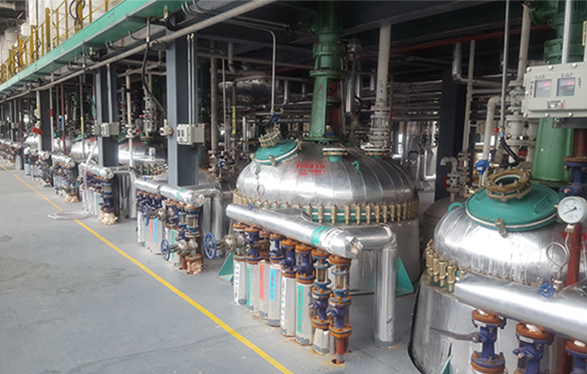
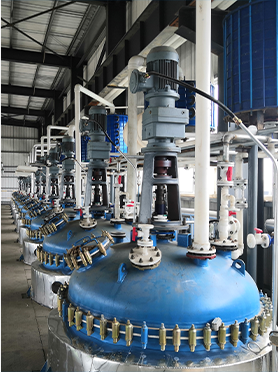
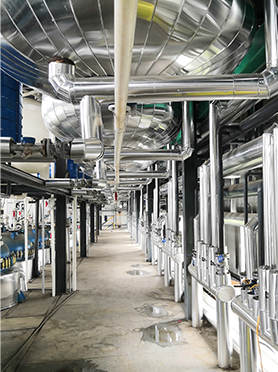
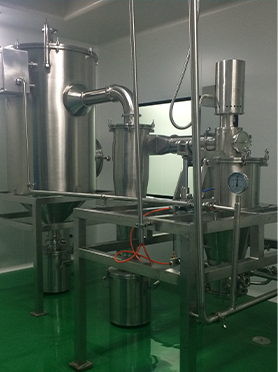
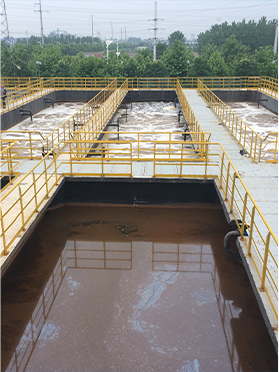
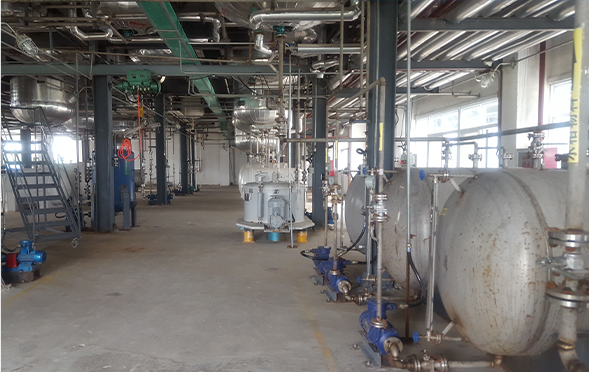
Manufacturing Facilities
Professional Export Experience
to Global Customers
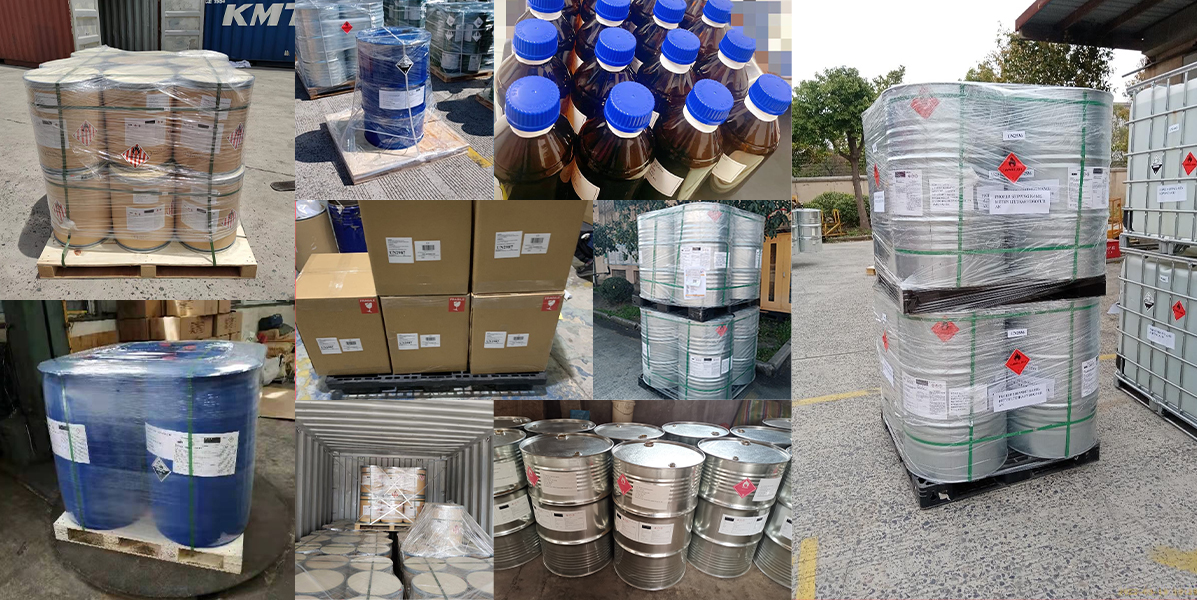
1. 20 years of R&D, manufacturing and sales experience, serving customers in 60 countries and regions around the world;
2. Own R&D laboratory, pilot platform and large-scale production workshop, which can meet the audit requirements of global customers;
3. We can satisfy customers' perfect transition from small scale lab requirements (gram level) to commercialization requirements (hundred tons level).
A: We don't have Minimum Order Quantity, exact quantity should be provided before quotation for us to calculate the exact cost.
A: We don't provide free samples due to lots of request and expensive international courier's cost, we can deduct the sample charge after commercial order placed.
A: Our payment terms: Small or sample order: T/T IN ADVANCE. Commercial order: First order should be by T/T IN ADVANCE or L/C at sight, and following orders T/T 30~90days is acceptable subject to approval of credit application.