
Custom Manufacturing, Project Outsourcing, your Trusted Partner from China
The world of plasticizers is vast, with many compounds offering unique properties for enhancing polymer performance. Among the most discussed are Dioctyl Phthalate (DOP) and its more modern, safer counterpart, Dioctyl Terephthalate (DOTP). While both serve the fundamental purpose of making plastics more flexible and workable, their origins, properties, and implications for health and the environment differ significantly. Understanding these differences is crucial for manufacturers and consumers alike.
The Chemical Foundation: Phthalate vs. Terephthalate
The primary distinction between DOP and DOTP lies in their chemical backbone. DOP is a phthalate ester, derived from phthalic acid. This class of compounds has been widely used for its cost-effectiveness and excellent plasticizing capabilities. However, mounting scientific evidence and regulatory actions have raised concerns about the potential health effects of certain phthalates, including endocrine disruption and reproductive toxicity.
DOTP, on the other hand, is a terephthalate ester. It is synthesized from terephthalic acid and 2-ethylhexanol. This structural difference is key to its favorable safety profile. Being a non-phthalate plasticizer, DOTP does not carry the same health warnings or regulatory restrictions as many of its phthalate predecessors. This makes it a preferred choice for applications where human contact is frequent, such as in children's toys, food packaging, and medical devices.
Performance Metrics: Where DOTP Shines
While safety is a major driver for the adoption of DOTP, its performance characteristics are equally impressive, often matching or exceeding those of DOP.
While DOP might offer slightly higher initial plasticizing efficiency in some formulations, the overall long-term performance and safety advantages of DOTP make it a superior choice for many modern applications. When exploring DOTP vs. DOP comparison, these performance metrics are critical considerations.
Regulatory Landscape and Market Trends
Regulatory bodies worldwide have increasingly scrutinized phthalate plasticizers. Many regions have banned or restricted the use of specific phthalates in certain product categories. This regulatory pressure, coupled with growing consumer awareness about chemical safety, has significantly boosted the demand for non-phthalate alternatives like DOTP. Manufacturers seeking to stay ahead of regulations and cater to market demand for greener, safer products are increasingly turning to DOTP.
NINGBO INNO PHARMCHEM CO.,LTD. is committed to supporting this transition by providing high-quality DOTP. Choosing DOTP is not just about compliance; it's about investing in products that are safer for end-users and the environment. As the market continues to evolve, the advantages of DOTP over traditional DOP are becoming clearer, solidifying its position as the preferred plasticizer for a sustainable future.
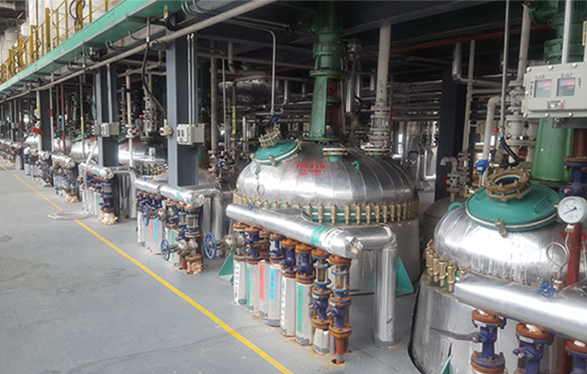
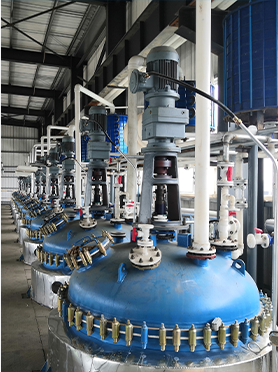
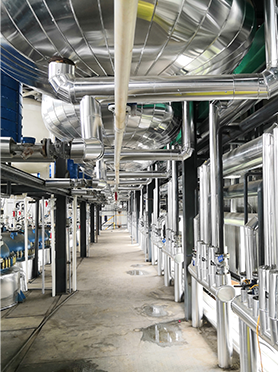
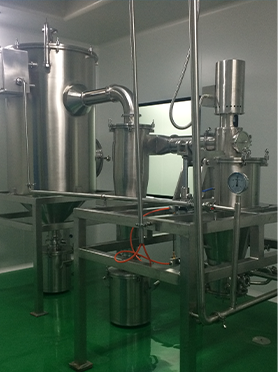
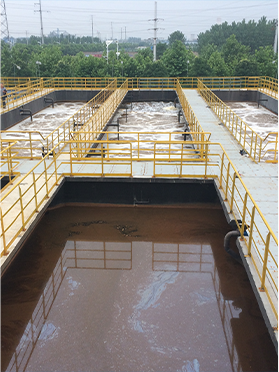
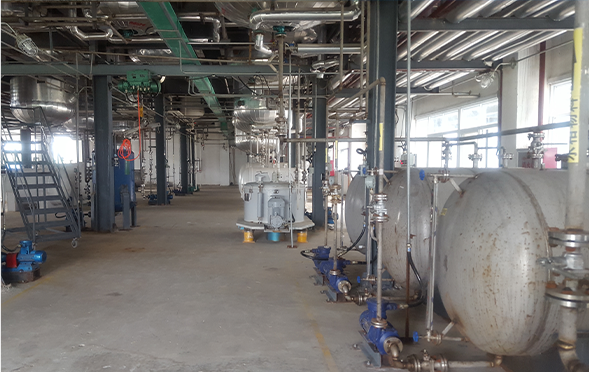
Manufacturing Facilities
Professional Export Experience
to Global Customers
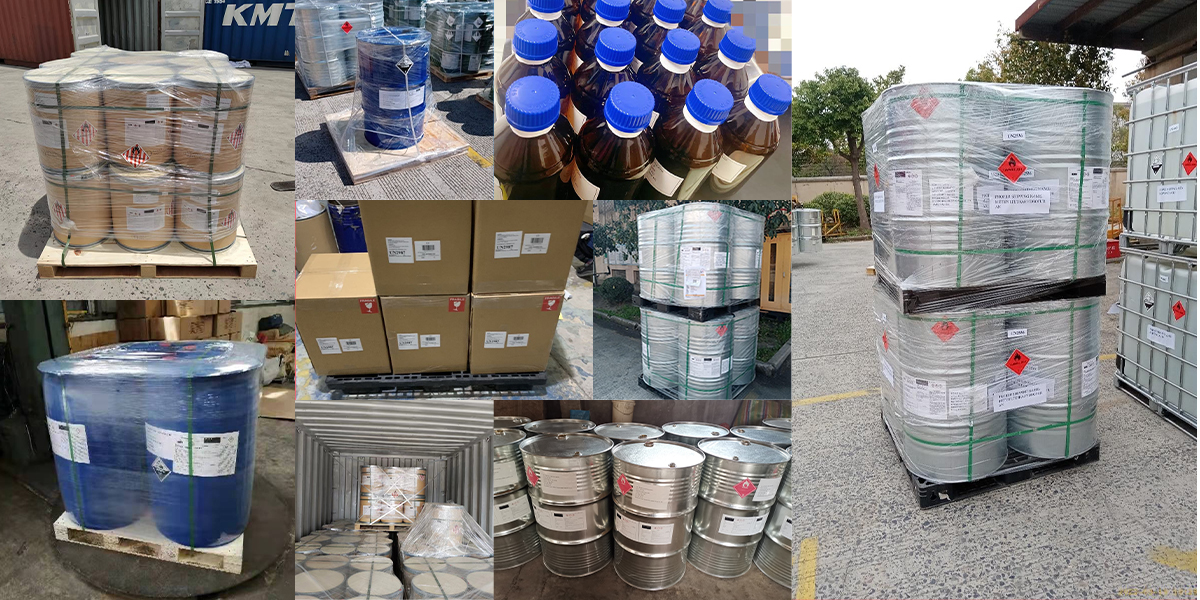
1. 20 years of R&D, manufacturing and sales experience, serving customers in 60 countries and regions around the world;
2. Own R&D laboratory, pilot platform and large-scale production workshop, which can meet the audit requirements of global customers;
3. We can satisfy customers' perfect transition from small scale lab requirements (gram level) to commercialization requirements (hundred tons level).
A: We don't have Minimum Order Quantity, exact quantity should be provided before quotation for us to calculate the exact cost.
A: We don't provide free samples due to lots of request and expensive international courier's cost, we can deduct the sample charge after commercial order placed.
A: Our payment terms: Small or sample order: T/T IN ADVANCE. Commercial order: First order should be by T/T IN ADVANCE or L/C at sight, and following orders T/T 30~90days is acceptable subject to approval of credit application.