
Custom Manufacturing, Project Outsourcing, your Trusted Partner from China
The selection of the right plasticizer is a critical decision for manufacturers working with polymers, especially PVC. It directly impacts product performance, processing efficiency, cost, and regulatory compliance. Two commonly discussed plasticizers are Dioctyl Phthalate (DOP) and Dioctyl Terephthalate (DOTP). While they share some functional similarities, their differences, particularly concerning safety and specific performance characteristics, are significant. This comparison aims to guide formulators and procurement professionals in making an informed choice between DOTP and DOP.
Understanding the Basics: DOP and DOTP
Dioctyl Phthalate (DOP): DOP is a traditional ortho-phthalate plasticizer, widely used for decades due to its good performance and cost-effectiveness. It is synthesized from phthalic anhydride and 2-ethylhexanol.
Dioctyl Terephthalate (DOTP): DOTP is a non-ortho-phthalate plasticizer, derived from terephthalic acid and 2-ethylhexanol. Its chemical structure provides a distinct set of properties, including a significantly improved safety profile.
Key Comparison Points: Performance and Safety
When evaluating plasticizers, several factors are crucial:
Application Suitability
Given these differences, certain applications favor one over the other:
Making Your Choice
While DOP has a long history of use, the trend towards safer, more sustainable materials strongly favors DOTP. For manufacturers focused on compliance, consumer safety, and enhanced product performance, especially in critical applications, sourcing DOTP from a reputable supplier is the more strategic long-term decision. When inquiring about pricing and availability, consider the overall value proposition—balancing cost, performance, and safety—to make the best choice for your business.
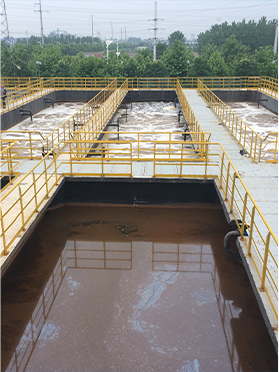
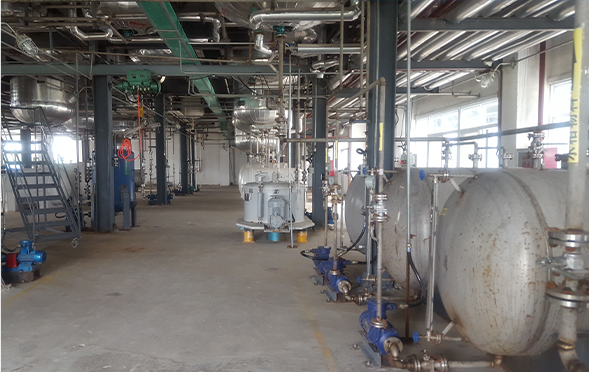
Manufacturing Facilities
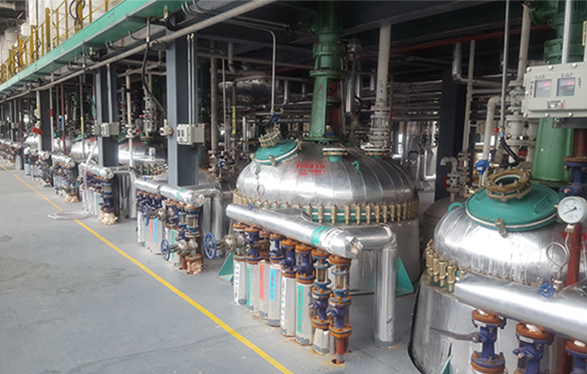
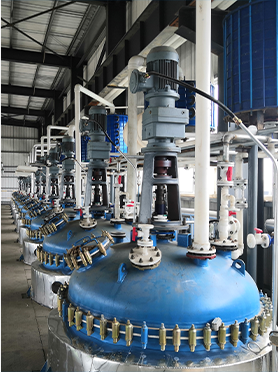
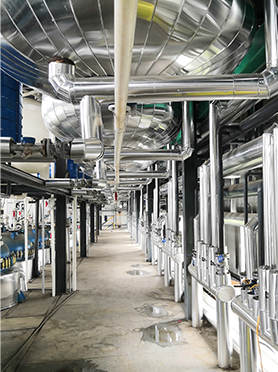
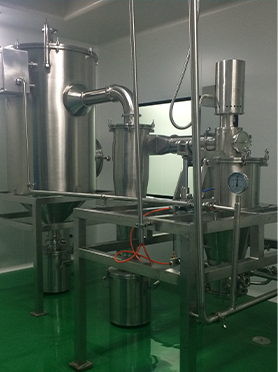
Professional Export Experience
to Global Customers
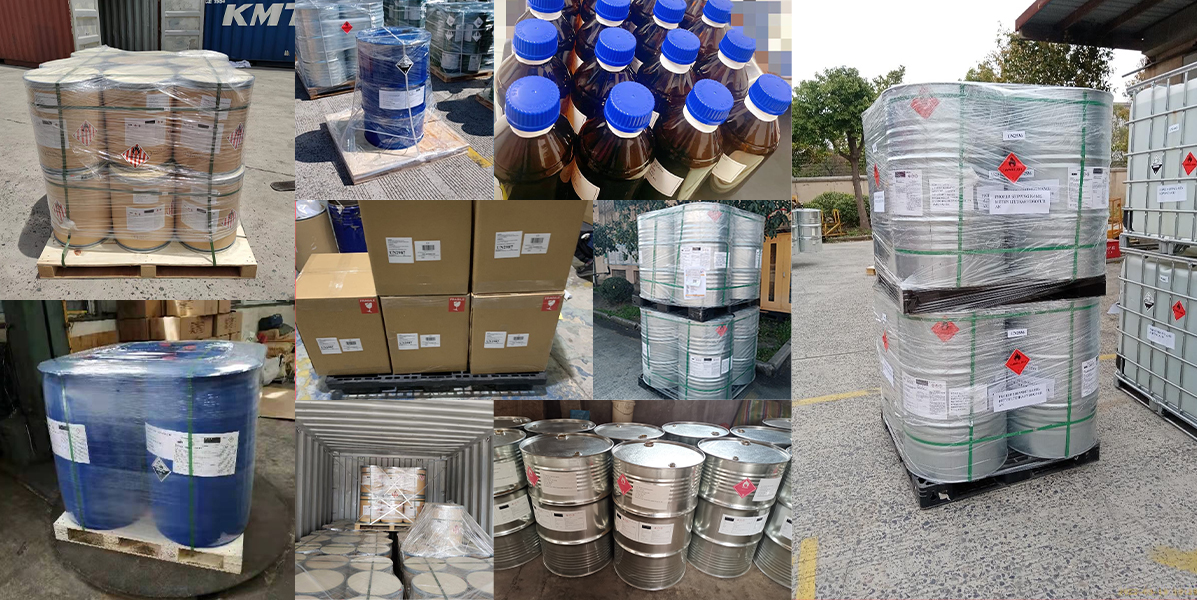
1. 20 years of R&D, manufacturing and sales experience, serving customers in 60 countries and regions around the world;
2. Own R&D laboratory, pilot platform and large-scale production workshop, which can meet the audit requirements of global customers;
3. We can satisfy customers' perfect transition from small scale lab requirements (gram level) to commercialization requirements (hundred tons level).
A: We don't have Minimum Order Quantity, exact quantity should be provided before quotation for us to calculate the exact cost.
A: We don't provide free samples due to lots of request and expensive international courier's cost, we can deduct the sample charge after commercial order placed.
A: Our payment terms: Small or sample order: T/T IN ADVANCE. Commercial order: First order should be by T/T IN ADVANCE or L/C at sight, and following orders T/T 30~90days is acceptable subject to approval of credit application.