
Custom Manufacturing, Project Outsourcing, your Trusted Partner from China
When embarking on complex biochemical research, selecting the right reagents is paramount. Two of the most commonly used reducing agents in laboratories are Dithiothreitol (DTT) and Tris(2-carboxyethyl)phosphine (TCEP). Both are essential for manipulating disulfide bonds and protecting thiol groups, but they possess distinct characteristics that make them more suitable for different applications. As a leading chemical manufacturer and supplier, NINGBO INNO PHARMCHEM CO.,LTD. aims to provide clarity on these vital reagents to help researchers make informed purchasing decisions.
Understanding DTT (D-Isomer)
DTT, also known as Cleland's Reagent, is a powerful yet mild reducing agent with a redox potential of -0.33 V at pH 7. It is particularly effective at pH values above 7, where its thiolate anions (-S⁻) are readily available to cleave disulfide bonds (S-S) through thiol-disulfide exchange reactions. This process involves the formation of a stable six-membered ring in oxidized DTT, driving the reaction to completion. Its primary applications include protein denaturation for SDS-PAGE, stabilization of proteins by keeping cysteine residues reduced, and protecting RNA from RNase activity. Researchers looking to buy DTT often seek it for its cost-effectiveness and widespread established protocols.
Exploring TCEP
TCEP, on the other hand, is a phosphine-based reducing agent that offers advantages in certain scenarios. Unlike DTT, TCEP remains effective across a broader pH range, including acidic conditions where DTT's efficacy diminishes significantly. TCEP is also more stable in aqueous solutions and is a stronger reducing agent. However, it can be more expensive and its bulkier nature might lead to slower reduction of disulfide bonds in highly folded proteins compared to DTT. When considering TCEP, its performance in specific pH environments or its compatibility with certain sensitive molecules is often the deciding factor for procurement.
Key Differences and When to Choose Which
Ultimately, the choice between DTT and TCEP depends on the specific requirements of your experimental setup. Both are invaluable tools for biochemists and molecular biologists. As a reliable chemical manufacturer, we recommend evaluating your buffer conditions, target molecules, and desired outcomes to make the most informed purchase decision. For high-purity DTT or inquiries about TCEP, contact our sales team today to secure your supply and optimize your research.
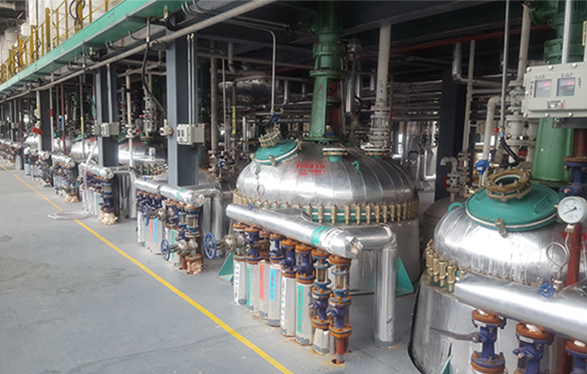
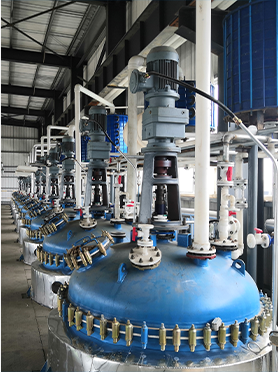
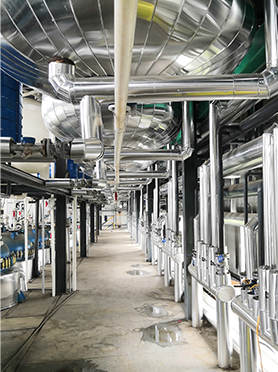
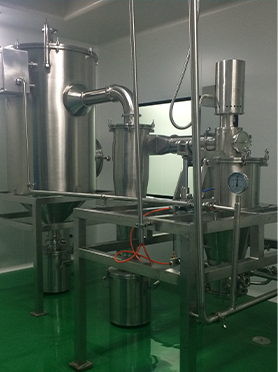
Manufacturing Facilities
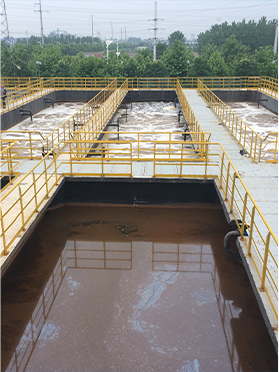
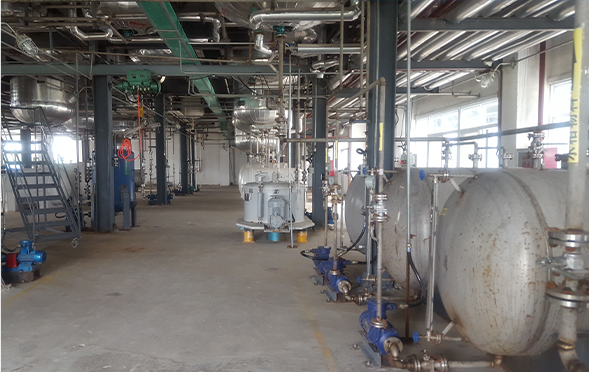
Professional Export Experience
to Global Customers
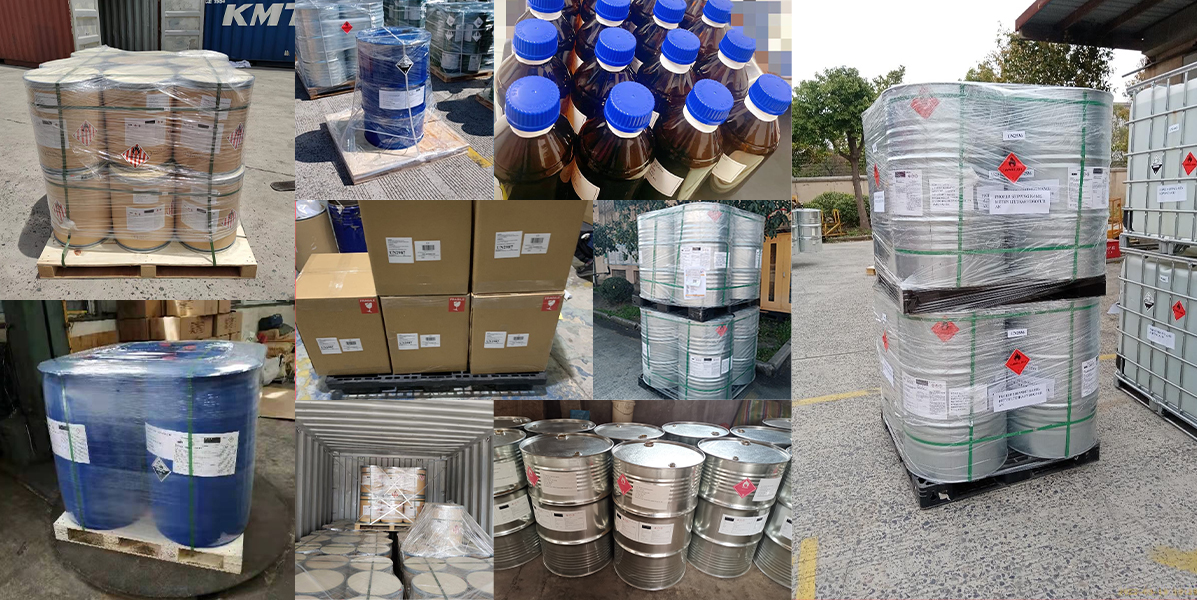
1. 20 years of R&D, manufacturing and sales experience, serving customers in 60 countries and regions around the world;
2. Own R&D laboratory, pilot platform and large-scale production workshop, which can meet the audit requirements of global customers;
3. We can satisfy customers' perfect transition from small scale lab requirements (gram level) to commercialization requirements (hundred tons level).
A: We don't have Minimum Order Quantity, exact quantity should be provided before quotation for us to calculate the exact cost.
A: We don't provide free samples due to lots of request and expensive international courier's cost, we can deduct the sample charge after commercial order placed.
A: Our payment terms: Small or sample order: T/T IN ADVANCE. Commercial order: First order should be by T/T IN ADVANCE or L/C at sight, and following orders T/T 30~90days is acceptable subject to approval of credit application.