
Custom Manufacturing, Project Outsourcing, your Trusted Partner from China
The global flavor and fragrance market is a significant economic powerhouse, driven by consumer demand for enhanced sensory experiences in food, beverages, cosmetics, and more. At the heart of this industry lie specialty chemical intermediates, which serve as the building blocks for complex aroma profiles. One such critical intermediate, 4,5-Dimethyl-2-Isobutyl-3-Thiazoline (CAS 65894-83-9), exemplifies the economic impact of these nuanced compounds.
The production of flavor and fragrance chemicals is a specialized segment of the chemical industry. Manufacturers invest heavily in research and development to synthesize compounds with unique sensory characteristics. 4,5-Dimethyl-2-Isobutyl-3-Thiazoline, with its distinctive nutty, roasted, and savory notes, contributes significantly to the value of finished food products. Its market demand is directly linked to the growth of the processed food sector, snack industries, and the continuous innovation in savory flavor creation.
For buyers, understanding the supply chain and market dynamics is crucial for cost management and securing a stable supply. When looking to purchase this compound, engaging with manufacturers directly, particularly those in regions with robust chemical production capabilities like China, can offer significant economic advantages. The price of such intermediates is influenced by raw material costs, production efficiency, and market demand. Obtaining multiple quotes from qualified suppliers allows procurement managers to secure the best possible terms.
The economic contribution of compounds like 4,5-Dimethyl-2-Isobutyl-3-Thiazoline is not just about the direct sales of the chemical itself. It also enables the creation of higher-value consumer products. A well-crafted flavor can differentiate a snack product on the shelf, or a unique fragrance can elevate a cosmetic line. This multiplier effect underscores the importance of these specialty intermediates. As a GRAS substance (FEMA 3621), its use in food further enhances its economic viability by ensuring regulatory compliance, reducing market entry barriers for food manufacturers.
The global trade in these specialty chemicals involves intricate logistics and quality assurance. Flavor and fragrance intermediate suppliers play a vital role in this ecosystem, ensuring that products meet the required specifications and reach their destination efficiently. For any business looking to leverage the sensory potential of 4,5-Dimethyl-2-Isobutyl-3-Thiazoline, understanding the economic landscape, from manufacturer capabilities to market price trends, is a strategic imperative. Direct engagement with experienced chemical providers is often the most effective way to navigate this market and secure this valuable ingredient for your product lines.
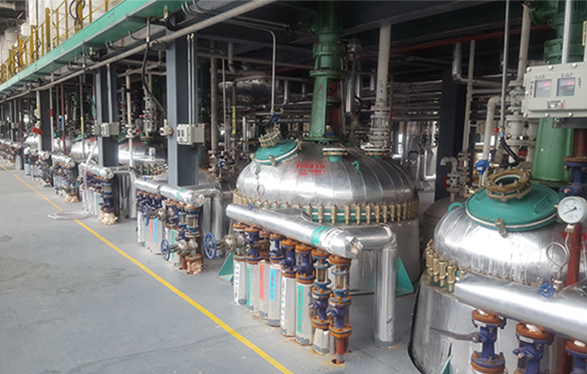
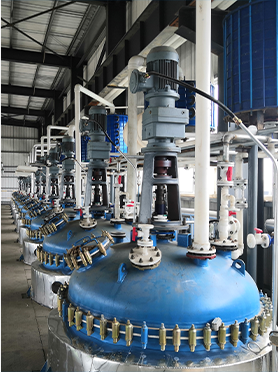
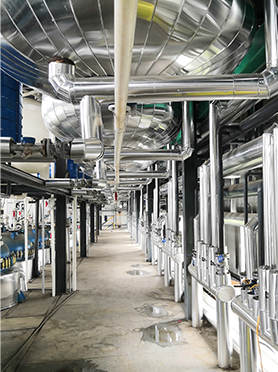
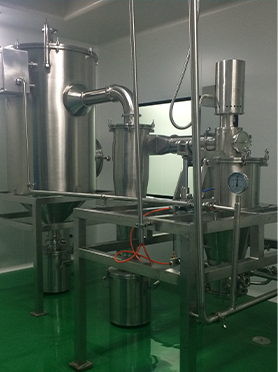
Manufacturing Facilities
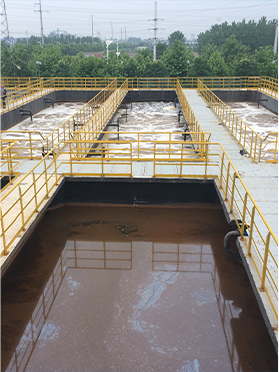
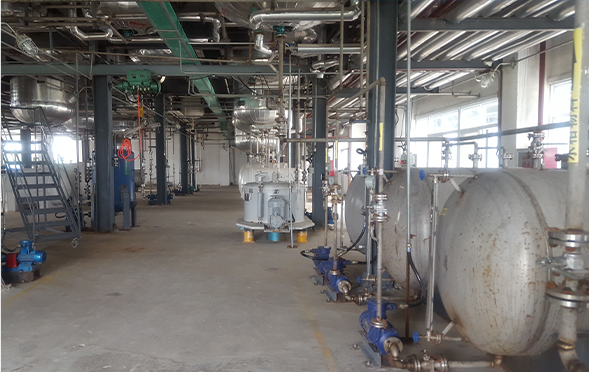
Professional Export Experience
to Global Customers
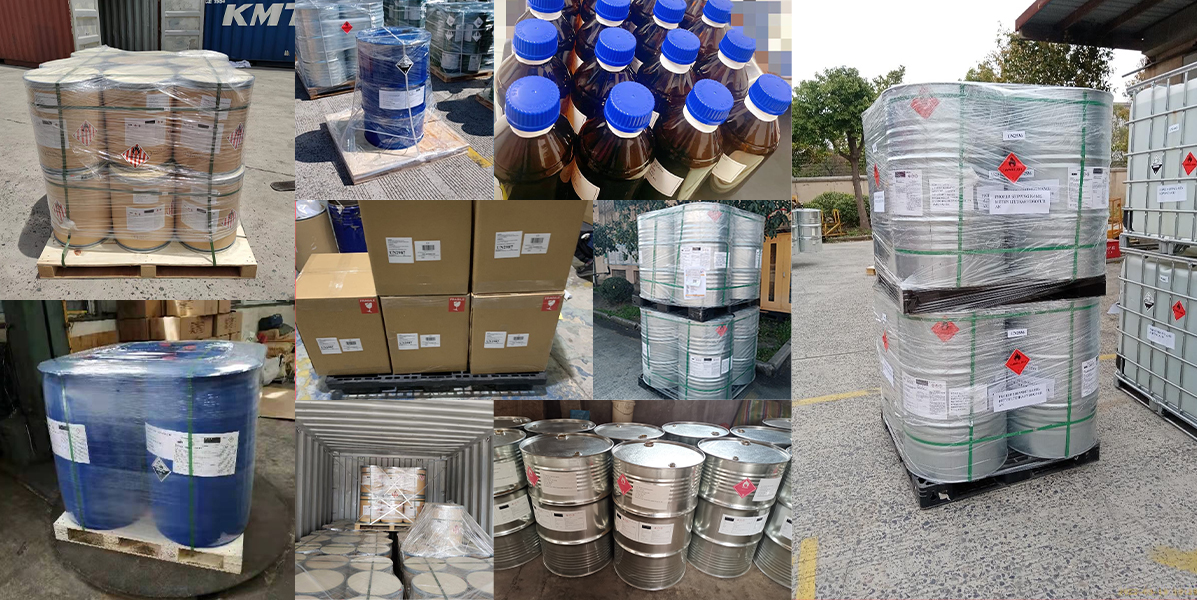
1. 20 years of R&D, manufacturing and sales experience, serving customers in 60 countries and regions around the world;
2. Own R&D laboratory, pilot platform and large-scale production workshop, which can meet the audit requirements of global customers;
3. We can satisfy customers' perfect transition from small scale lab requirements (gram level) to commercialization requirements (hundred tons level).
A: We don't have Minimum Order Quantity, exact quantity should be provided before quotation for us to calculate the exact cost.
A: We don't provide free samples due to lots of request and expensive international courier's cost, we can deduct the sample charge after commercial order placed.
A: Our payment terms: Small or sample order: T/T IN ADVANCE. Commercial order: First order should be by T/T IN ADVANCE or L/C at sight, and following orders T/T 30~90days is acceptable subject to approval of credit application.