
Custom Manufacturing, Project Outsourcing, your Trusted Partner from China
The development of targeted cancer therapies has revolutionized oncology, moving beyond broad-spectrum treatments to focus on the specific molecular vulnerabilities of cancer cells. Among the exciting frontiers in this field is the study and application of Farnesyltransferase Inhibitors (FTIs). These specialized compounds are designed to interfere with critical cellular processes that cancer cells rely on for survival and proliferation.
Farnesyltransferase (FTase) is an enzyme central to the farnesylation process, a type of protein modification that is crucial for the function of many signaling proteins, including the Ras oncogene family. Ras proteins, when farnesylated, are anchored to the cell membrane, where they can activate downstream signaling pathways that promote cell growth, differentiation, and survival. In many cancers, these Ras pathways are constitutively active, driving uncontrolled tumor growth. By inhibiting FTase, researchers aim to disrupt this abnormal signaling and halt cancer progression.
The therapeutic potential of FTIs has been demonstrated in numerous preclinical studies. Compounds like the one identified by CAS 195987-41-8 have shown significant promise. This particular inhibitor is known for its high potency and selectivity, meaning it effectively targets FTase while having minimal impact on related enzymes like geranylgeranyl transferase. Its ability to inhibit the growth of various cancer cell lines, including those with both wild-type and mutated Ras genes, and its demonstrated efficacy in in vivo xenograft models, highlight its potential as a significant anti-cancer agent. This makes it a critical research chemical for scientists exploring new treatment modalities.
The journey from a promising inhibitor to a clinically approved drug involves extensive research and development. Scientists require access to high-purity compounds to conduct accurate assays and studies. Therefore, sourcing these essential pharmaceutical intermediates from reliable manufacturers and suppliers is a critical step. When looking to buy FTase inhibitors for your research, partnering with experienced chemical suppliers, especially those in established manufacturing regions like China, can provide access to quality-assured products at competitive prices. This ensures that your research into targeted cancer therapies can proceed without interruption.
As research into the complexities of cancer continues, the role of targeted molecular therapies, including FTase inhibitors, is expected to grow. These advancements offer hope for more effective and less toxic treatments for patients. For researchers at the forefront of this field, securing a consistent supply of high-quality research chemicals is fundamental to driving innovation and ultimately, improving patient outcomes.
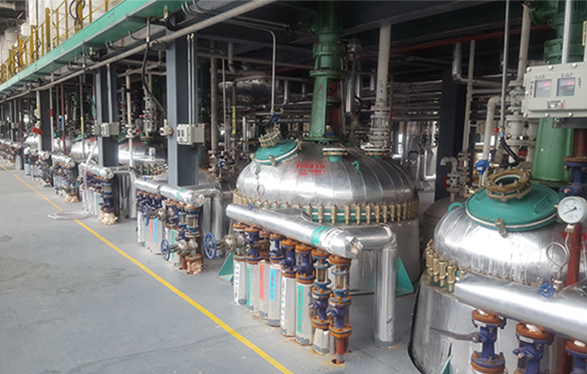
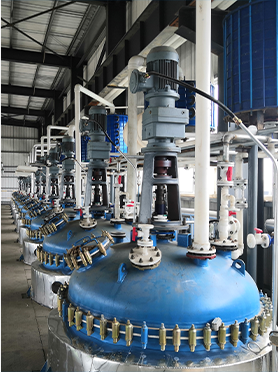
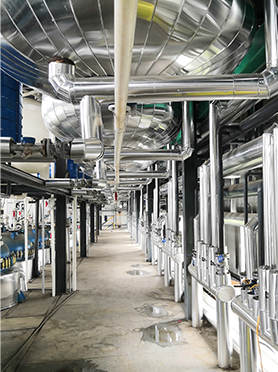
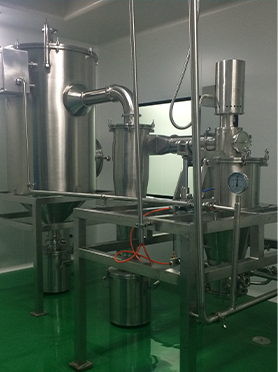
Manufacturing Facilities
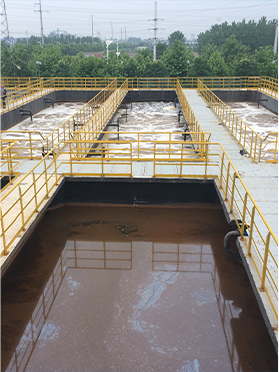
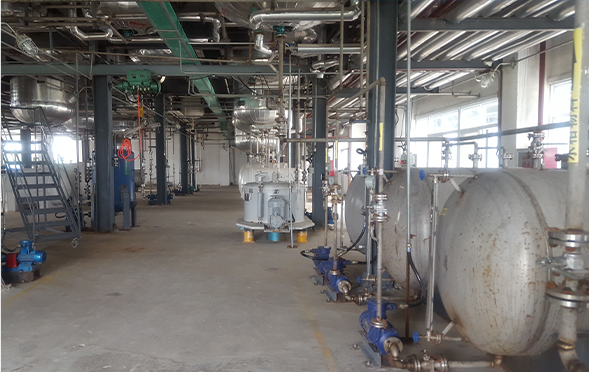
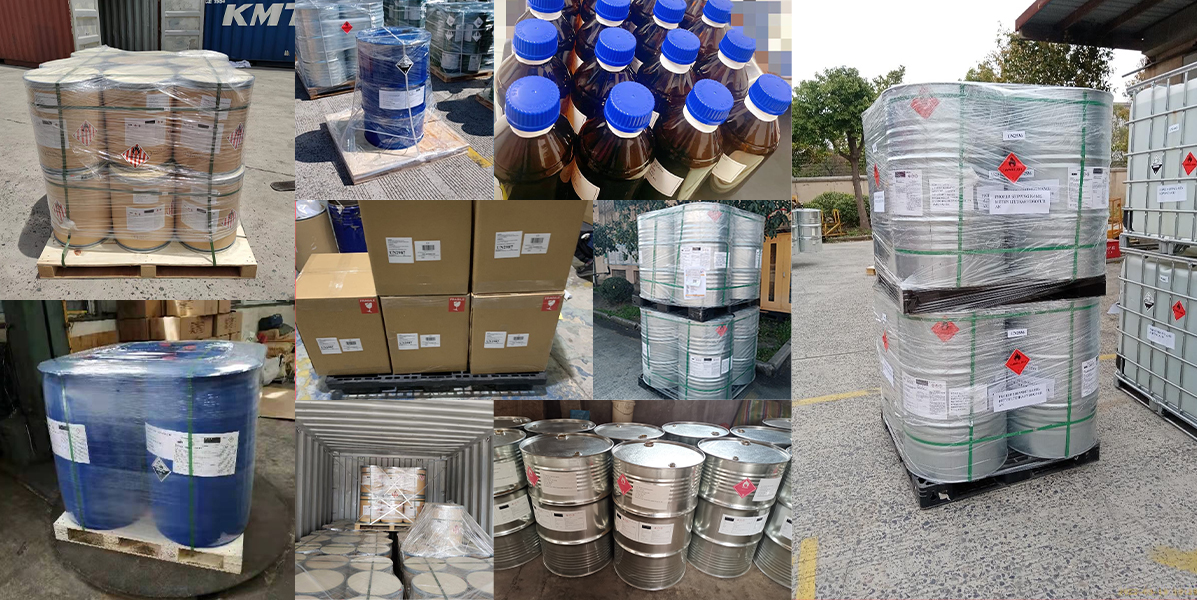
Professional Export Experience
to Global Customers
1. 20 years of R&D, manufacturing and sales experience, serving customers in 60 countries and regions around the world;
2. Own R&D laboratory, pilot platform and large-scale production workshop, which can meet the audit requirements of global customers;
3. We can satisfy customers' perfect transition from small scale lab requirements (gram level) to commercialization requirements (hundred tons level).
A: We don't have Minimum Order Quantity, exact quantity should be provided before quotation for us to calculate the exact cost.
A: We don't provide free samples due to lots of request and expensive international courier's cost, we can deduct the sample charge after commercial order placed.
A: Our payment terms: Small or sample order: T/T IN ADVANCE. Commercial order: First order should be by T/T IN ADVANCE or L/C at sight, and following orders T/T 30~90days is acceptable subject to approval of credit application.