
Custom Manufacturing, Project Outsourcing, your Trusted Partner from China
The performance of composite materials, especially those reinforced with fiberglass, is heavily influenced by the interface between the glass fibers and the polymer matrix. Achieving strong, durable bonds in these materials is crucial for their application across various industries, from aerospace and automotive to construction and electronics. For procurement professionals and material scientists, understanding the role of silane coupling agents in this process is vital. If you're looking to buy advanced materials, consider the impact of these chemicals.
3-Glycidoxypropyl Triethoxysilane (CAS: 2602-34-8) is a highly effective epoxy functional silane that excels as a coupling agent for fiberglass composites. When applied as a surface treatment to fiberglass, or incorporated into the sizing formulations, it chemically bonds to the glass surface. The epoxy functionality of the silane then reacts with the thermoset or thermoplastic resin matrix, creating a strong, integrated structure. This dramatically improves the composite's overall mechanical properties, including tensile strength, flexural strength, and impact resistance.
One of the most significant advantages of using 3-Glycidoxypropyl Triethoxysilane is its ability to enhance the performance of composites in humid environments. Traditional composites can suffer from a loss of mechanical strength and electrical properties when exposed to moisture, a phenomenon known as hydrolytic degradation at the interface. This epoxy silane provides excellent protection against such degradation, ensuring that the composite maintains its superior wet state mechanical strength and electrical insulation properties. This makes it an essential component for manufacturers who need to buy reliable materials for challenging applications.
Furthermore, this silane is widely used in the wire and cable industry. When used to treat mineral fillers like clay in EPDM rubber systems, it leads to a notable improvement in electrical properties, specifically reducing the dissipation factor and improving specific inductive capacitance. This is critical for ensuring the safety and efficiency of electrical insulation materials.
For companies seeking to source these critical chemical intermediates, partnering with a reliable manufacturer in China like NINGBO INNO PHARMCHEM CO.,LTD. offers a distinct advantage. We provide high-purity 3-Glycidoxypropyl Triethoxysilane at competitive prices, ensuring a stable supply chain to meet your production demands. Whether you are formulating unsaturated polyester composites or improving the performance of epoxy resins used with various plastics like ABS, PBT, or nylon, our product is designed to deliver exceptional results.
By leveraging the capabilities of 3-Glycidoxypropyl Triethoxysilane, manufacturers can significantly upgrade the quality and performance of their fiberglass-reinforced products. We invite you to contact us to learn more about this versatile silane coupling agent, to request a quotation, or to secure a sample for your evaluation. Enhance your composite performance today.
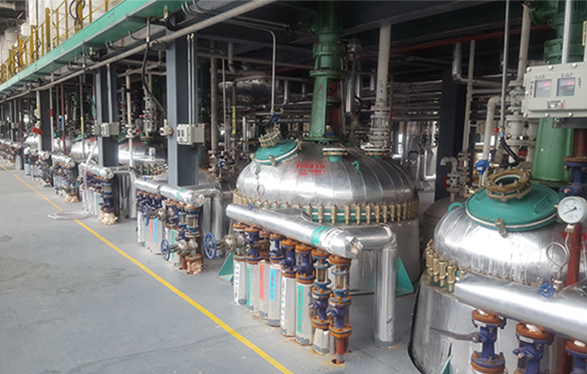
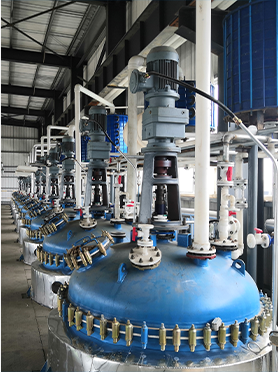
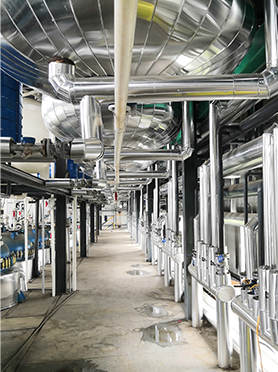
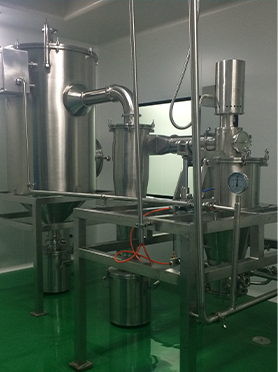
Manufacturing Facilities
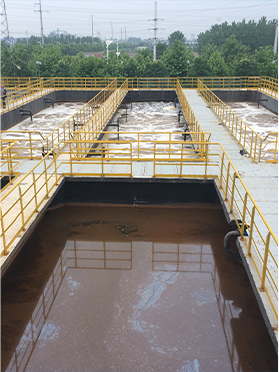
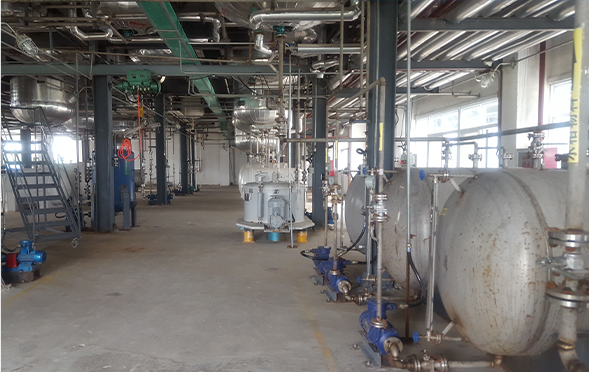
Professional Export Experience
to Global Customers
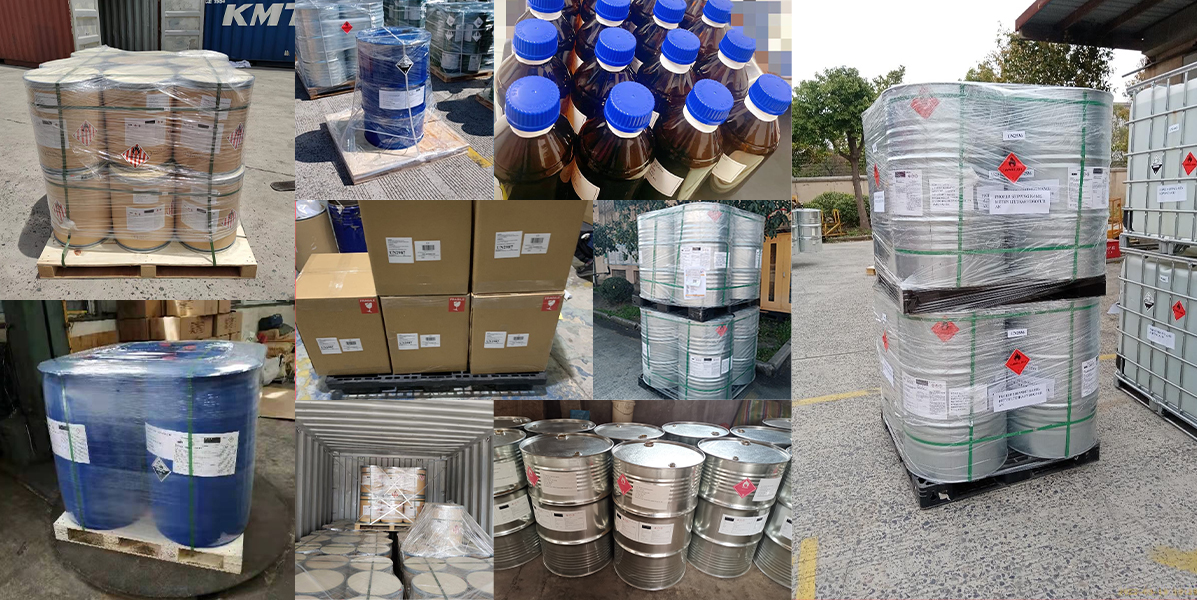
1. 20 years of R&D, manufacturing and sales experience, serving customers in 60 countries and regions around the world;
2. Own R&D laboratory, pilot platform and large-scale production workshop, which can meet the audit requirements of global customers;
3. We can satisfy customers' perfect transition from small scale lab requirements (gram level) to commercialization requirements (hundred tons level).
A: We don't have Minimum Order Quantity, exact quantity should be provided before quotation for us to calculate the exact cost.
A: We don't provide free samples due to lots of request and expensive international courier's cost, we can deduct the sample charge after commercial order placed.
A: Our payment terms: Small or sample order: T/T IN ADVANCE. Commercial order: First order should be by T/T IN ADVANCE or L/C at sight, and following orders T/T 30~90days is acceptable subject to approval of credit application.