
Custom Manufacturing, Project Outsourcing, your Trusted Partner from China
The field of organic synthesis is constantly evolving, driven by the demand for more efficient, selective, and sustainable chemical processes. At the heart of many catalytic transformations are phosphine ligands, sophisticated molecules that play a crucial role in modulating the reactivity and selectivity of metal catalysts. Among the most impactful are chiral phosphine ligands, which are instrumental in achieving enantioselective synthesis, a cornerstone of modern pharmaceutical and fine chemical production. As a dedicated supplier of these advanced materials, we highlight the advantages of utilizing ligands like (S)-(-)-2,2'-Bis[di(3,5-xylyl)phosphino]-1,1'-binaphthyl (CAS 135139-00-3).
Phosphine ligands, characterized by their phosphorus atom bonded to organic groups, exhibit a remarkable ability to coordinate with transition metals such as palladium, ruthenium, and rhodium. This coordination is fundamental to forming active catalytic species. The nature of the organic groups attached to the phosphorus – their size, electronic properties, and stereochemistry – dictates the ligand's influence on the catalyst's performance. Chiral phosphine ligands, featuring a non-superimposable mirror image structure, are specifically designed to induce chirality in the reaction products.
The BINAP (2,2'-bis(diphenylphosphino)-1,1'-binaphthyl) scaffold is a well-established and highly effective chiral backbone. Modifications to this scaffold, such as the substitution of phenyl groups with bulkier xylyl (dimethylphenyl) groups in our featured product, (S)-(-)-2,2'-Bis[di(3,5-xylyl)phosphino]-1,1'-binaphthyl, lead to enhanced steric environments around the metal center. This steric bulk can profoundly influence the selectivity of catalytic reactions, leading to higher enantiomeric excesses (ee) and improved yields for complex organic molecules. For researchers and manufacturers, this translates to more efficient synthesis pathways and higher-quality products.
The applications for such advanced phosphine ligands are broad, spanning various industrially relevant transformations. These include asymmetric hydrogenation, C-C cross-coupling reactions (like Suzuki, Heck, and Negishi couplings), and enantioselective allylic alkylations. In the pharmaceutical industry, these reactions are vital for the stereospecific synthesis of drug intermediates and APIs. For procurement professionals, understanding the performance characteristics of these ligands and sourcing them from reliable manufacturers is key to ensuring project success.
When considering the purchase of specialized chemicals, partnering with an experienced manufacturer and supplier offers distinct benefits. Our commitment to producing high-purity (S)-(-)-2,2'-Bis[di(3,5-xylyl)phosphino]-1,1'-binaphthyl ensures that our clients receive a product that meets stringent quality specifications. This reliability is crucial for reproducible results in organic synthesis, whether on a laboratory scale or in full-scale industrial production. We invite you to explore how our range of phosphine ligands and other fine chemical intermediates can enhance your synthetic capabilities.
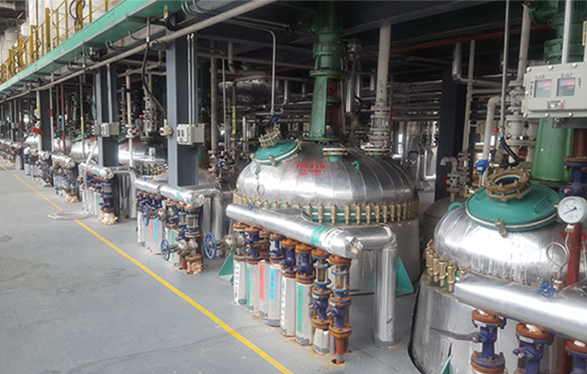
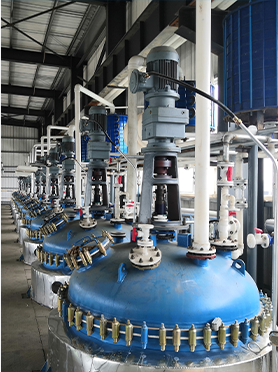
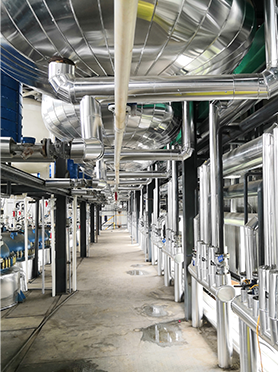
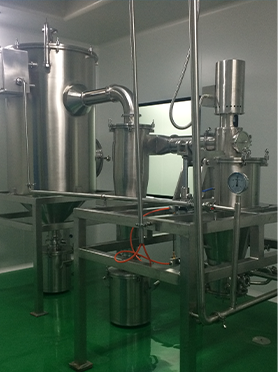
Manufacturing Facilities
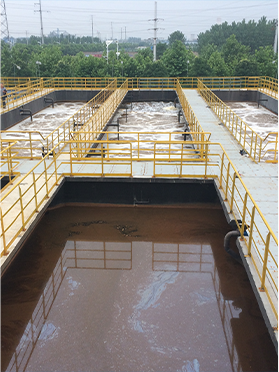
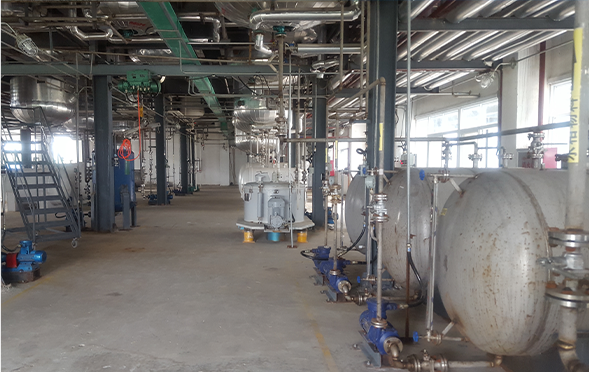
Professional Export Experience
to Global Customers
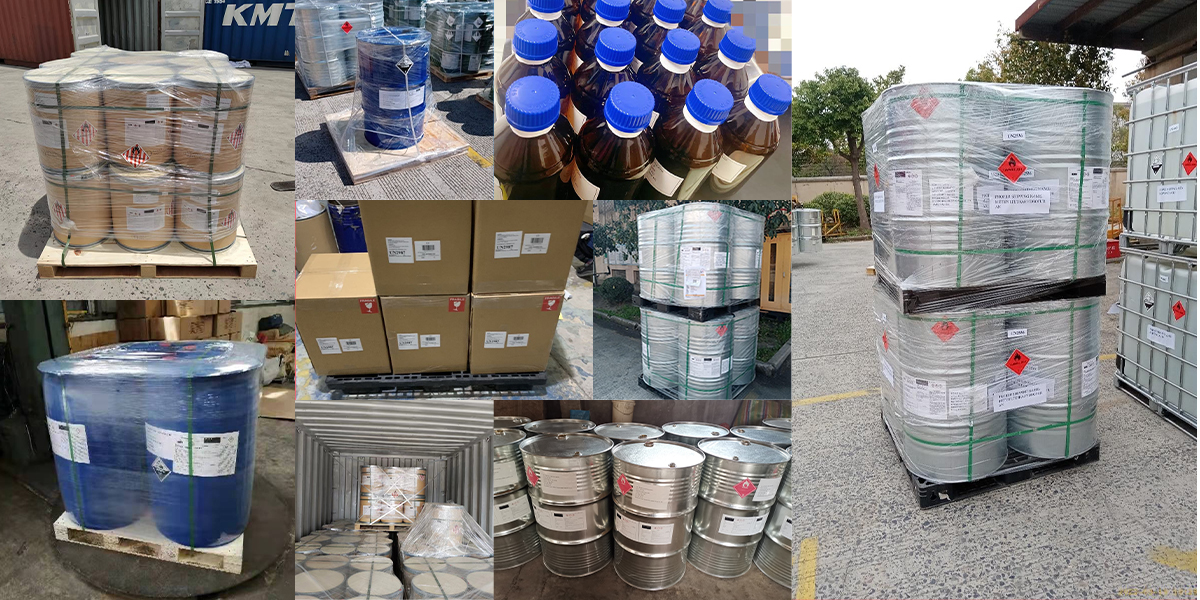
1. 20 years of R&D, manufacturing and sales experience, serving customers in 60 countries and regions around the world;
2. Own R&D laboratory, pilot platform and large-scale production workshop, which can meet the audit requirements of global customers;
3. We can satisfy customers' perfect transition from small scale lab requirements (gram level) to commercialization requirements (hundred tons level).
A: We don't have Minimum Order Quantity, exact quantity should be provided before quotation for us to calculate the exact cost.
A: We don't provide free samples due to lots of request and expensive international courier's cost, we can deduct the sample charge after commercial order placed.
A: Our payment terms: Small or sample order: T/T IN ADVANCE. Commercial order: First order should be by T/T IN ADVANCE or L/C at sight, and following orders T/T 30~90days is acceptable subject to approval of credit application.