
Custom Manufacturing, Project Outsourcing, your Trusted Partner from China
In the realm of polymer processing, particularly for Polyvinyl Chloride (PVC), the synergy between different additive components is crucial for achieving optimal performance and manufacturing efficiency. Among the key components within a PVC stabilizer package, lubricants play a vital, often underestimated, role. This article explores how lubricants, when thoughtfully integrated into PVC heat stabilizer formulations, enhance processing characteristics and contribute to the superior quality of finished PVC products. For manufacturers aiming to buy the best additives, understanding this interplay is essential.
PVC is known for its challenging processing behavior. Without adequate lubrication, the molten PVC can exhibit high melt viscosity, poor flow characteristics, and a strong tendency to adhere to metal surfaces of processing equipment like extruders and molds. This leads to increased friction, excessive heat buildup, die buildup, surface defects, and ultimately, reduced production rates and higher rejection rates.
Lubricants are additives that reduce friction between polymer chains (internal lubrication) and between the polymer melt and metal surfaces (external lubrication). In the context of PVC stabilizers, particularly lead-based compound stabilizers, a balanced lubrication system is often a key feature. This balance is critical because:
Many high-performance PVC stabilizers, especially those designed for rigid applications like pipes and profiles, are formulated as 'one-pack' systems that already contain an optimized blend of stabilizers and lubricants. This formulation simplifies the manufacturing process for end-users, as they can directly incorporate the one-pack system without needing to precisely dose individual components. A leading manufacturer of such stabilizers would meticulously balance the lubricating agents to ensure they complement the stabilizing action without negatively impacting other properties like fusion or mechanical strength.
For example, a PVC profile manufacturer requires a stabilizer that provides excellent thermal stability to withstand extrusion temperatures, while also ensuring the melt flows smoothly over complex die geometries and releases cleanly from the mold. A stabilizer with effective external lubrication will prevent sticking on the die and calender rolls, contributing to a glossy finish and dimensional accuracy. Similarly, effective internal lubrication ensures the PVC fuses properly and uniformly, leading to a cohesive, strong final product. When you purchase these advanced formulations, you're buying a complete solution engineered for performance.
When sourcing PVC stabilizers, manufacturers should inquire about the type and balance of lubricants included in the formulation. A reputable supplier will be able to provide detailed information and technical support, guiding you toward the best choice for your specific processing technology and end-product requirements. Partnering with a knowledgeable manufacturer ensures you obtain not just a stabilizer, but a precisely engineered additive package that maximizes processing efficiency and final product quality.
In conclusion, the role of lubricants within PVC stabilizer formulations is indispensable for achieving smooth processing and superior final product characteristics. By understanding their function and sourcing intelligently from trusted manufacturers and suppliers, PVC producers can significantly enhance their operational efficiency and the market value of their products. It is a strategic decision that impacts everything from production rates to the ultimate performance of the PVC items you buy or manufacture.
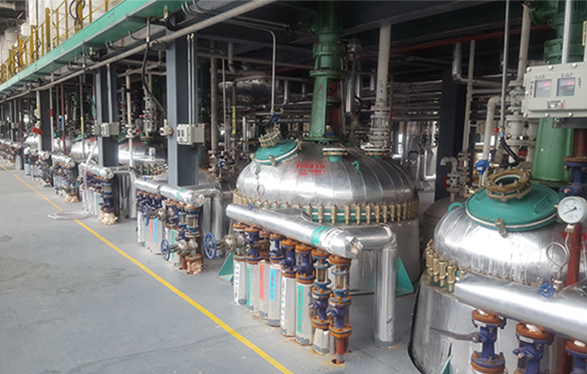
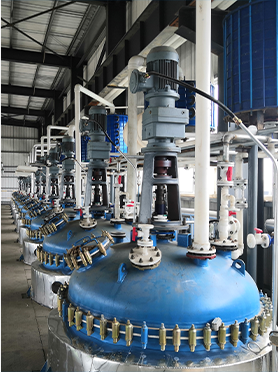
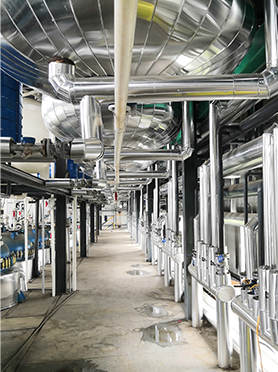
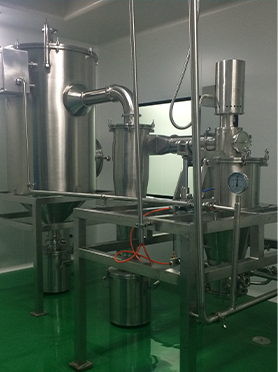
Manufacturing Facilities
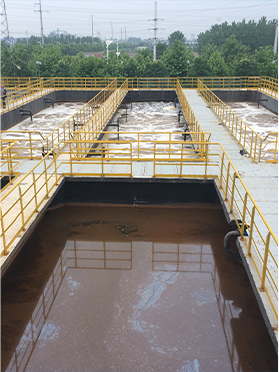
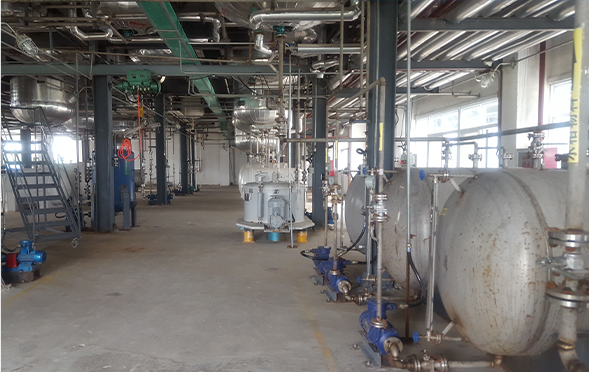
Professional Export Experience
to Global Customers
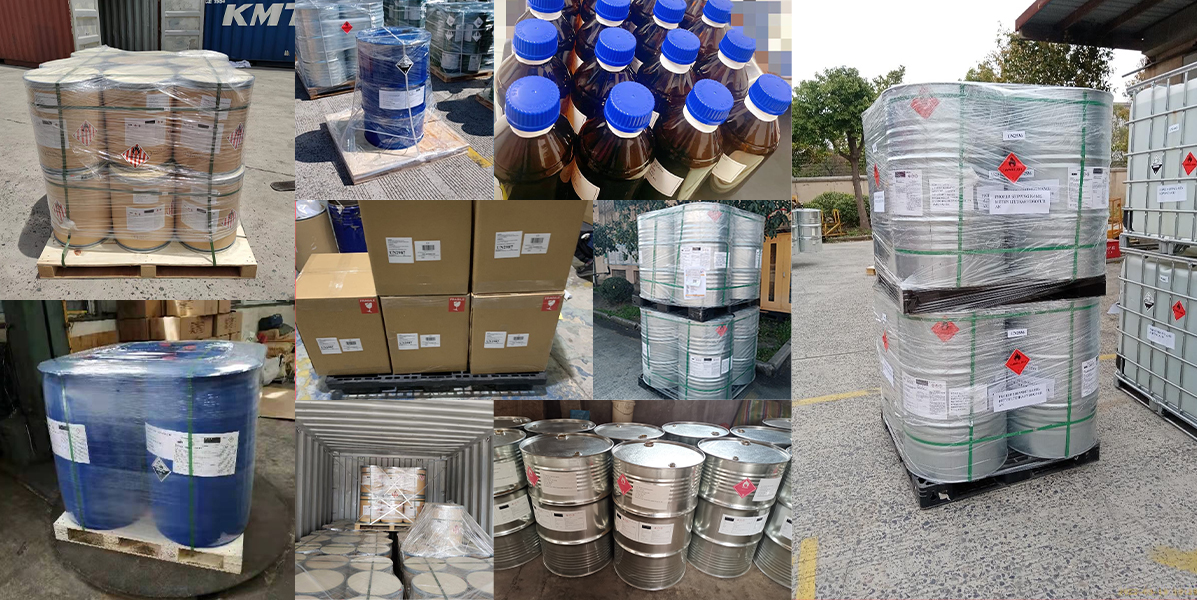
1. 20 years of R&D, manufacturing and sales experience, serving customers in 60 countries and regions around the world;
2. Own R&D laboratory, pilot platform and large-scale production workshop, which can meet the audit requirements of global customers;
3. We can satisfy customers' perfect transition from small scale lab requirements (gram level) to commercialization requirements (hundred tons level).
A: We don't have Minimum Order Quantity, exact quantity should be provided before quotation for us to calculate the exact cost.
A: We don't provide free samples due to lots of request and expensive international courier's cost, we can deduct the sample charge after commercial order placed.
A: Our payment terms: Small or sample order: T/T IN ADVANCE. Commercial order: First order should be by T/T IN ADVANCE or L/C at sight, and following orders T/T 30~90days is acceptable subject to approval of credit application.