
Custom Manufacturing, Project Outsourcing, your Trusted Partner from China
In the dynamic world of textile manufacturing, achieving high-quality prints is paramount. From vibrant apparel to intricate home decor, the clarity, color depth, and durability of printed designs directly impact the final product's appeal and market value. At the core of achieving these superior results lies a critical chemical component: the printing thickener. For procurement managers and formulators in the textile industry, understanding the function and benefits of these agents is key to optimizing production and meeting customer demands. This article delves into the significance of pigment printing thickeners, their advantages, and why sourcing them from reputable manufacturers is crucial.
What is a Pigment Printing Thickener?
A pigment printing thickener is a high molecular weight substance that imparts viscosity to printing pastes. This controlled viscosity is essential for various printing techniques, including screen printing, roller printing, and hand-block printing. By thickening the dye or pigment dispersion, the thickener prevents excessive spreading or penetration into the fabric, ensuring that the printed design remains sharp, well-defined, and achieves the desired color intensity. For anyone looking to buy pigment printing thickener for textiles, understanding its role in paste rheology is the first step.
Key Benefits for Textile Manufacturers
Choosing the Right Thickener: What to Look For
When selecting a pigment printing thickener, several factors should be considered. The type of textile, the printing method, the desired color effect, and environmental regulations all play a role. Some thickeners are optimized for specific dye types (like reactive dyes or disperse dyes), while others offer broader applicability. For those focused on pigment printing, the thickener’s ability to create a stable, non-Newtonian fluid is crucial. Purchasing from a reputable manufacturer ensures that the product meets these specifications.
Sourcing Your Textile Printing Thickener
For businesses looking to secure a reliable supply of high-performance printing thickener, exploring options from established manufacturers in regions like China can be highly beneficial. These suppliers often offer competitive pricing, large-scale production capabilities, and a wide range of specialized products. When contacting a textile printing thickener supplier in China, it's advisable to inquire about product specifications, technical data sheets, sample availability, and lead times. Understanding the price points and minimum order quantities (MOQs) will also help in planning your procurement strategy.
In conclusion, the pigment printing thickener is an indispensable component in achieving premium textile prints. By understanding its functions and benefits, and by partnering with reliable suppliers, manufacturers can significantly enhance the quality, appeal, and sustainability of their textile products. If you are looking to buy superior printing chemicals, investigating the offerings from trusted chemical manufacturers is a strategic move for your business.
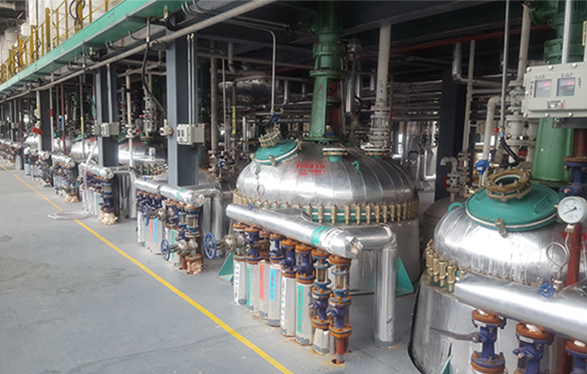
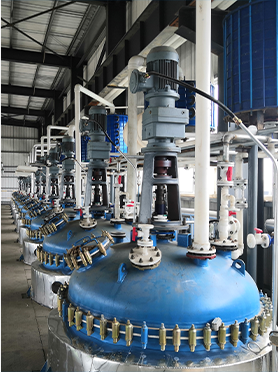
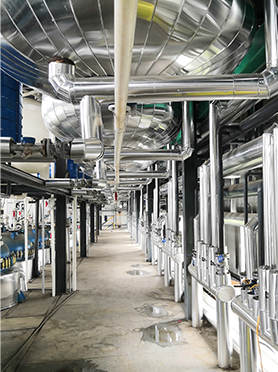
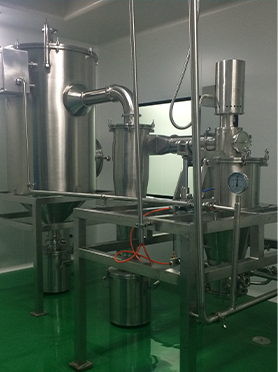
Manufacturing Facilities
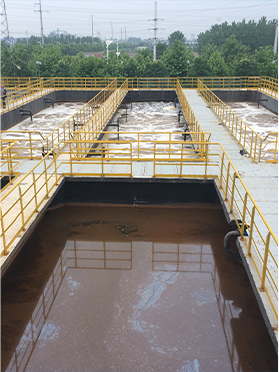
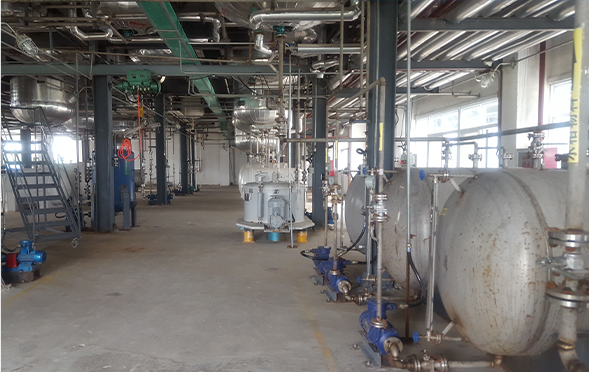
Professional Export Experience
to Global Customers
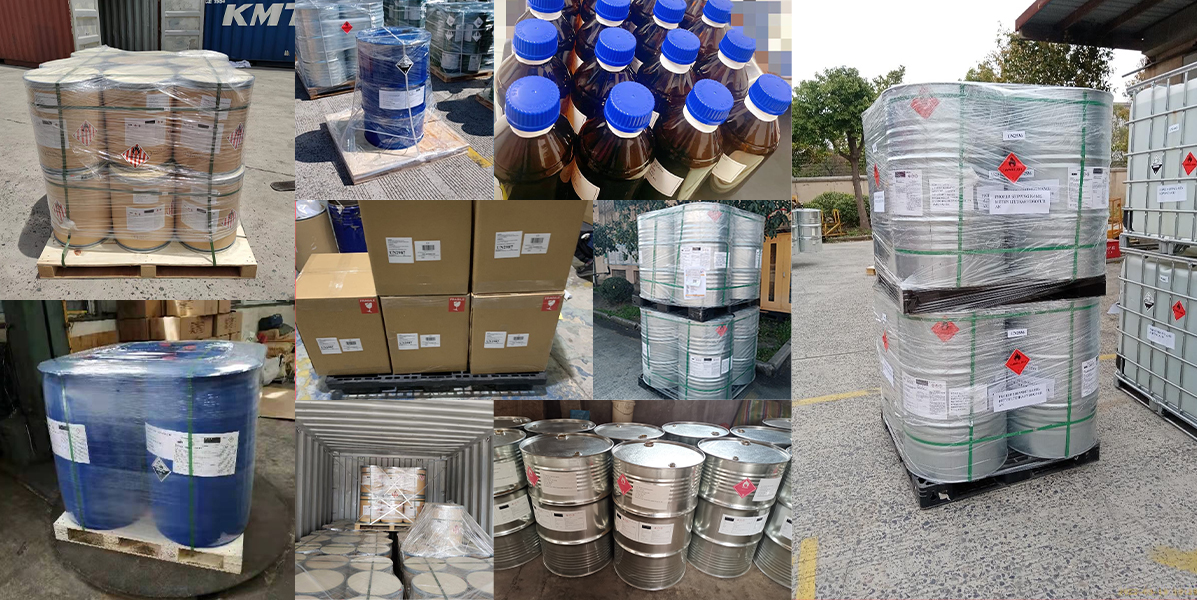
1. 20 years of R&D, manufacturing and sales experience, serving customers in 60 countries and regions around the world;
2. Own R&D laboratory, pilot platform and large-scale production workshop, which can meet the audit requirements of global customers;
3. We can satisfy customers' perfect transition from small scale lab requirements (gram level) to commercialization requirements (hundred tons level).
A: We don't have Minimum Order Quantity, exact quantity should be provided before quotation for us to calculate the exact cost.
A: We don't provide free samples due to lots of request and expensive international courier's cost, we can deduct the sample charge after commercial order placed.
A: Our payment terms: Small or sample order: T/T IN ADVANCE. Commercial order: First order should be by T/T IN ADVANCE or L/C at sight, and following orders T/T 30~90days is acceptable subject to approval of credit application.