
Custom Manufacturing, Project Outsourcing, your Trusted Partner from China
The dazzling performance of modern OLED displays is a testament to advances in materials science and organic chemistry. Central to achieving the vibrant colors, deep blacks, and energy efficiency characteristic of OLEDs is the meticulous design and synthesis of the organic materials that constitute these devices. Crucially, the journey from basic chemicals to functional OLED layers begins with high-purity intermediates. For professionals in this domain, understanding the impact of purity and knowing how to secure reliable sources is paramount.
Consider 2-Bromo-9-phenyl-9H-carbazole (CAS NO 94994-62-4), a prominent intermediate widely used in the synthesis of various OLED materials. Its chemical structure, featuring a carbazole core with phenyl and bromo substituents, makes it an ideal precursor for creating charge-transporting or emissive molecules. However, the effectiveness of this intermediate is directly correlated with its purity. Even minute quantities of byproducts or residual reactants can act as detrimental impurities within the final OLED structure.
These impurities can disrupt the delicate electronic processes within the OLED device. They might act as charge traps, hindering the efficient movement of electrons and holes needed for light emission. Alternatively, they could function as triplet quenchers, reducing the efficiency of phosphorescent emitters. In the worst-case scenarios, impurities can lead to localized heating, pixel defects, or a significantly shortened device lifespan. This underscores the importance of procuring intermediates with verified high purity, such as the ≥99.0% offered for 2-Bromo-9-phenyl-9H-carbazole by reputable suppliers.
For procurement specialists and R&D scientists, identifying manufacturers and suppliers who prioritize quality control is key. When looking to buy such critical chemicals, it is advisable to partner with established companies that can provide detailed Certificates of Analysis (CoA) and maintain consistent quality across batches. For those sourcing from China, companies like NINGBO INNO PHARMCHEM CO.,LTD. have established robust quality management systems to ensure that their electronic chemical intermediates meet international standards. This commitment allows clients to confidently integrate these components into their sensitive manufacturing processes.
The pursuit of next-generation OLED technology, including flexible, transparent, and ultra-high-resolution displays, will continue to drive demand for increasingly sophisticated and pure organic intermediates. Therefore, building strong relationships with trusted suppliers who can consistently deliver high-quality materials like 2-Bromo-9-phenyl-9H-carbazole is a strategic investment for companies aiming for excellence in the competitive field of organic electronics.
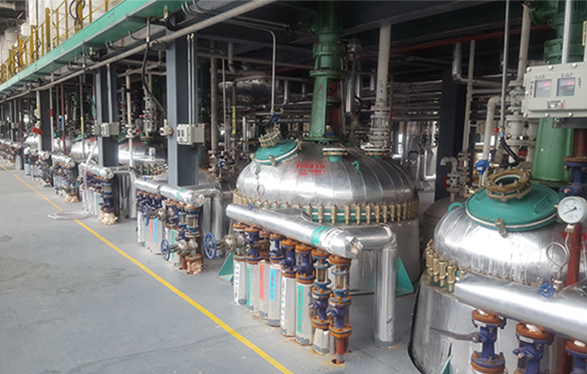
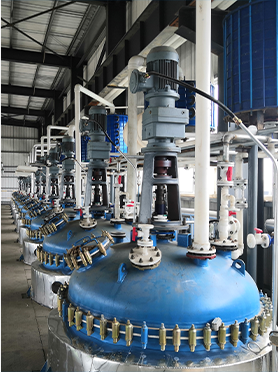
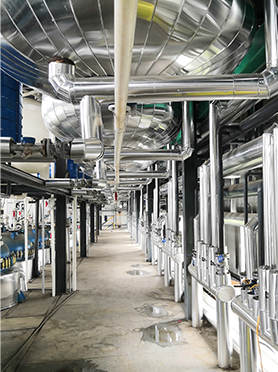
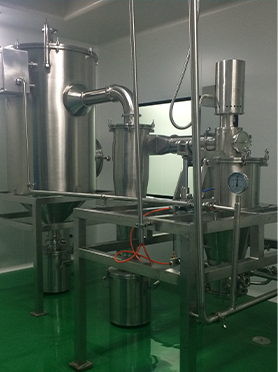
Manufacturing Facilities
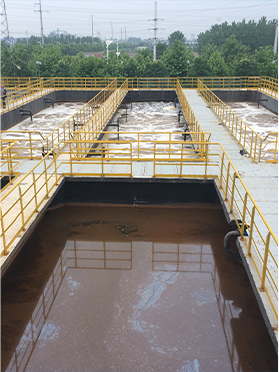
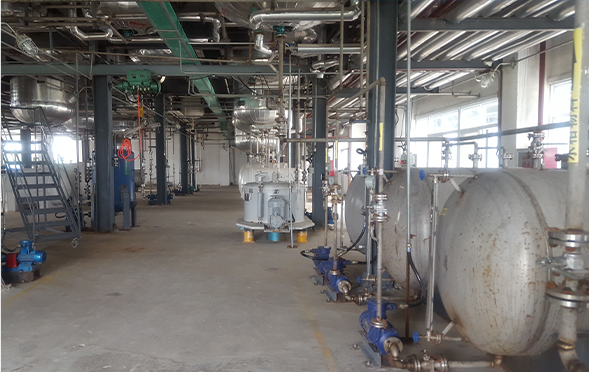
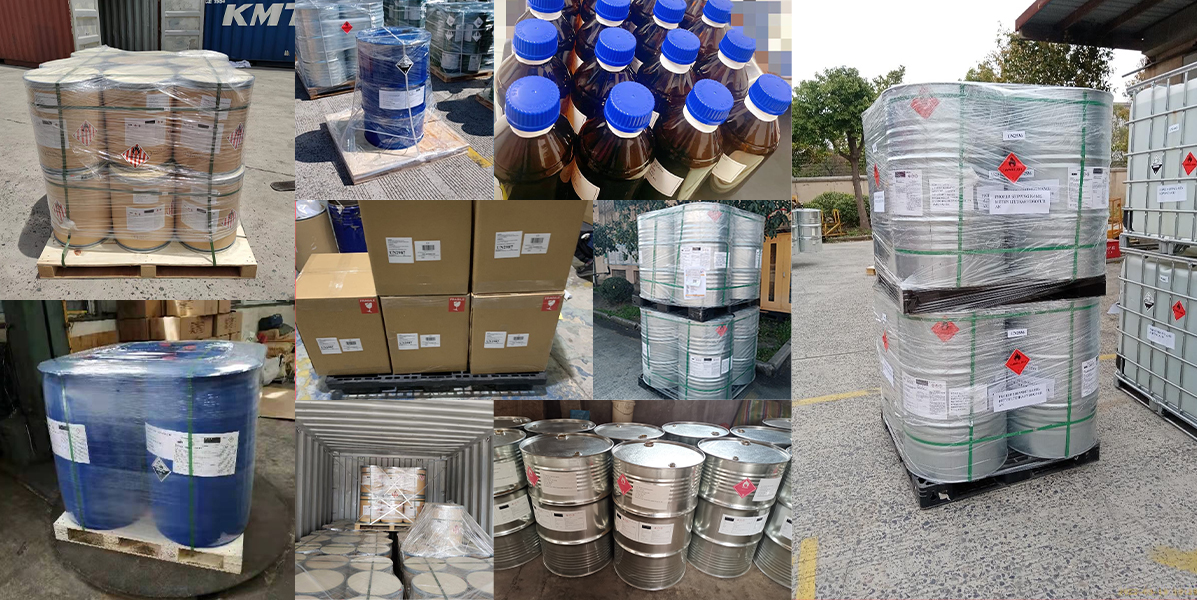
Professional Export Experience
to Global Customers
1. 20 years of R&D, manufacturing and sales experience, serving customers in 60 countries and regions around the world;
2. Own R&D laboratory, pilot platform and large-scale production workshop, which can meet the audit requirements of global customers;
3. We can satisfy customers' perfect transition from small scale lab requirements (gram level) to commercialization requirements (hundred tons level).
A: We don't have Minimum Order Quantity, exact quantity should be provided before quotation for us to calculate the exact cost.
A: We don't provide free samples due to lots of request and expensive international courier's cost, we can deduct the sample charge after commercial order placed.
A: Our payment terms: Small or sample order: T/T IN ADVANCE. Commercial order: First order should be by T/T IN ADVANCE or L/C at sight, and following orders T/T 30~90days is acceptable subject to approval of credit application.